
How to Choose a Car Front Bumper in 2026?

Choosing a Car Front Bumper in 2026 requires more than matching the vehicle’s paint color. The right choice affects protection, airflow, sensor placement, repair cost, and everyday confidence.

David Zuby, former chief research officer at the Insurance Institute for Highway Safety, explains: “Bumpers are designed to prevent or reduce vehicle damage in low-speed crashes, not to prevent injuries.” That distinction matters. A bumper cover may look strong, yet its hidden absorber, reinforcement beam, and mounting brackets control much of its performance.

Start with the vehicle’s exact year, trim, engine, and safety equipment. Small differences can change grille openings, parking sensors, radar mounts, and headlamp washers. Confirm every connector before ordering. A cheaper bumper becomes expensive when clips, brackets, or sensor holders do not align.

Material deserves attention. ABS plastic offers flexibility and common repair options. Composite materials may reduce weight, but they can require specialized refinishing. Look for clear fitment data, documented quality checks, and a return policy from a reputable supplier.

Do not ignore installation quality. Uneven panel gaps, loose fasteners, or blocked sensors can create problems later. I once assumed visual matching meant correct fitment. It did not. That mistake is easy to repeat.

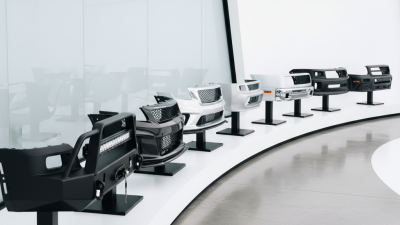
This guide compares original-equipment, aftermarket, and reinforced options. It also examines crash compatibility, sensor calibration, finish quality, and long-term ownership costs. The best Car Front Bumper is not always the cheapest or toughest-looking choice. It is the one that fits correctly, supports the vehicle’s systems, and suits realistic driving conditions.
How to Choose a Car Front Bumper in 2026?

Define the Role and Requirements of a Car Front Bumper

How to Choose a Car Front Bumper in 2026?

Define the Role and Requirements of a Car Front Bumper

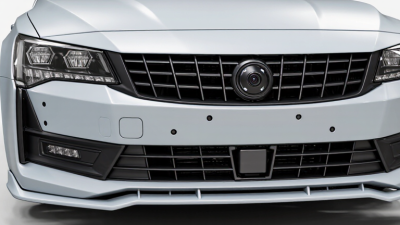
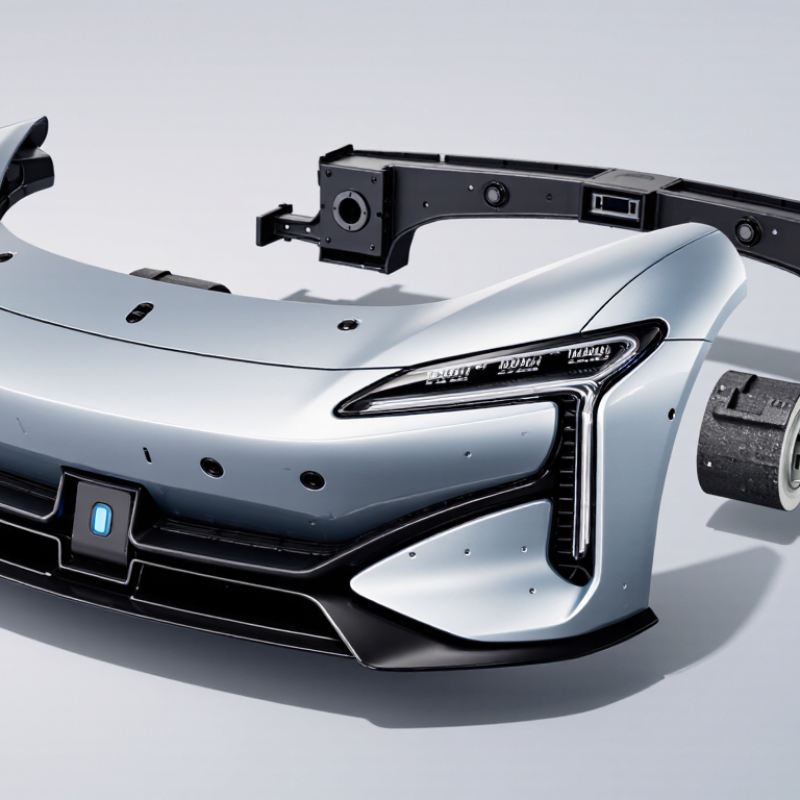
A front bumper is not just a decorative shell. It absorbs low-speed impacts, supports airflow management, and protects critical components behind it. In many modern vehicles, radar, cameras, parking sensors, and pedestrian-detection systems sit nearby. A poorly designed bumper can block their view or create expensive repair work after a small collision.

Safety needs more attention. The National Highway Traffic Safety Administration reported 7,522 pedestrian deaths in the United States during 2022. The Insurance Institute for Highway Safety found that pedestrian automatic emergency braking reduced pedestrian crashes by about 27 percent. These figures show why bumper shape, sensor placement, and pedestrian-friendly energy absorption matter. A stiff structure may protect internal parts, but it can increase injury risk. That trade-off deserves careful review.

Tips: Check the bumper’s crash structure, mounting points, sensor compatibility, repair access, and material quality. Look for clear calibration guidance from the manufacturer. Measure panel gaps around the grille and headlights. They should look even. Also, confirm that the bumper does not hide airflow openings or lighting equipment. Cheaper is not always wiser. Yet heavier is not automatically safer either. I would question any product that promises complete protection from one component. A bumper works as part of a larger safety system.

Compare Bumper Materials, Designs, and Safety Features

How to Choose a Car Front Bumper in 2026?

Compare Bumper Materials, Designs, and Safety Features

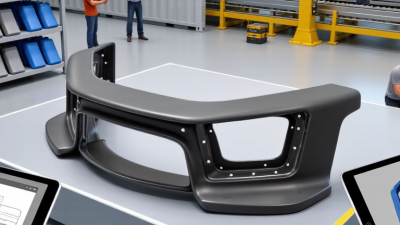
Choosing a front bumper starts with material, not appearance. Steel offers strong impact resistance, but it adds weight and may rust after surface damage. Aluminum is lighter and resists corrosion, though repairs can require specialized equipment. Reinforced plastic absorbs energy well and supports complex shapes, but deep cracks often require replacement. Composite materials can reduce weight, yet their long-term repair quality varies between workshops.

Design also affects practical safety. A bumper should align closely with the hood, grille, headlights, and fender. Uneven gaps may indicate poor installation or hidden structural damage. Look for controlled deformation zones that absorb impact without transferring excessive force to the cabin. A very rigid bumper can appear impressive, but stiffness alone does not guarantee safer crash performance. I have seen attractive replacements interfere with parking sensors because their contours were slightly different.

Check the safety features carefully. Sensor openings must match the original positions and remain clear of thick paint or decorative mesh. Radar units, cameras, pedestrian protection systems, and airbag crash sensors need accurate calibration after installation. Confirm that the bumper supports local vehicle safety requirements and includes reliable mounting points. Ask for material information, test documentation, and repair guidance. Do not rely only on price. I once underestimated a small alignment error. It caused warning lights and repeated adjustments, wasting time and money.

How to Choose a Car Front Bumper in 2026?

Comparing bumper materials, designs, and safety features

How to read the chart: Typical material density is shown in kilograms per cubic metre. Lower density generally supports lighter bumper construction, while reinforcement beams require sufficient stiffness and crash-load resistance.

Selection guidance: Thermoplastic olefin and polypropylene are commonly used for flexible bumper covers because they are lightweight and can absorb minor impacts without permanent deformation. Steel and aluminium are commonly considered for reinforcement beams, depending on the vehicle design, weight target, corrosion protection, and repair strategy.

Safety features to check: Look for compatibility with energy absorbers, pedestrian-impact requirements, parking sensors, radar or camera modules, controlled crumple zones, and correct alignment with the vehicle’s crash-management system. Material density alone does not determine overall bumper safety.

Check Vehicle Compatibility and Installation Requirements

How to Choose a Car Front Bumper in 2026?

Vehicle compatibility should guide every bumper decision. Check the exact model year, body style, trim level, and production region. Small changes can affect mounting points, grille openings, parking sensors, or headlamp washers. A bumper that looks identical may still require different brackets.

Read the technical listing carefully. Confirm whether it fits factory crash supports and existing reinforcement bars. Check openings for fog lamps, radar sensors, cameras, and towing hooks. Measure the bumper width and compare it with your vehicle before ordering. Do not trust photographs alone. They can hide important differences.

Installation requirements deserve equal attention. Some bumpers need new clips, absorber foam, wiring extensions, or sensor calibration. Others require drilling, trimming, or professional paint matching. I once assumed a direct-fit panel needed only basic tools. The alignment was acceptable, but one lower fastener sat incorrectly. That small mistake created vibration on rough roads. A repair manual, torque specifications, and a complete hardware check can prevent similar problems. If sensor calibration is required, use qualified equipment and verify the system afterward. Fitment is not proven until the panel sits evenly, the gaps remain consistent, and every safety-related feature works correctly.

How to Choose a Car Front Bumper in 2026? — Check Vehicle Compatibility and Installation Requirements

Selection Dimension Vehicle Compatibility Data Installation Requirements What to Check Before Purchase
Vehicle Type and Body Style Bumper shape and mounting points differ among sedans, hatchbacks, wagons, coupes, SUVs, vans, and pickup trucks. Select a bumper designed for the same body style. A bumper for a standard passenger car may not fit an SUV or pickup truck, even when the vehicle is from the same model family. Confirm the exact body style, number of doors, front-end design, and vehicle identification information.
Model Year and Generation Facelifted and pre-facelift vehicles can use different grille openings, headlamp contours, brackets, and sensor locations. The replacement part must match the vehicle generation and front-end design. Some installations require compatible grilles, lower air deflectors, or side retainers. Compare the production date, model generation, original bumper profile, mounting holes, and parts identification number.
Bumper Cover Material Most modern outer bumper covers are made from molded thermoplastics such as polypropylene blends, which allow controlled flexibility and repairability. Use the correct material-specific repair, drilling, heating, and refinishing procedures. Do not substitute a rigid material that changes the designed deformation behavior. Check the molded material marking on the original or replacement cover and confirm that the repair procedure is suitable for that material.
Mounting Points and Brackets Correct fit depends on alignment with upper supports, side retainers, lower shields, wheel-arch liners, and underbody fasteners. Replace damaged brackets, clips, or retainers before fitting the bumper. The bumper should sit evenly without forced bending or excessive gaps. Compare the number and position of mounting holes, side tabs, clips, and bracket interfaces with the vehicle’s original component.
Crash Beam and Energy Absorber The painted or textured bumper cover is not the primary structural crash component. Behind it are energy absorbers and structural reinforcement components. Inspect the reinforcement beam, absorber, brackets, and impact sensors after any collision. A damaged structural component must not be hidden by a new cover. Check for deformation, cracks, corrosion, displaced brackets, and evidence of previous impact damage before installation.
Parking Sensors Sensor holes, mounting angles, sensor holders, and wiring channels must match the vehicle’s parking-assistance system. Transfer or install the correct sensor holders and retainers. Sensors should remain flush, correctly oriented, and free from paint buildup. Count the sensor openings and compare their diameter, spacing, position, and connector access with the original bumper.
Front Radar and Driver-Assistance Hardware Vehicles equipped with adaptive cruise control, automatic emergency braking, or forward-collision warning may have radar or other sensors behind the front bumper area. Do not alter the sensor cover, radar mounting angle, or approved clearance area. Sensor calibration may be required after bumper replacement or bracket movement. Identify all forward-facing sensors in the vehicle documentation and follow the required calibration procedure after installation.
Front Camera and Camera Washer Some vehicles use a front camera, grille-mounted camera, or camera-washer system integrated into the bumper or adjacent trim. The bumper must provide the correct camera opening, bracket position, washer nozzle clearance, and wiring route. Check camera visibility, bracket stability, washer nozzle position, and the absence of obstructions after fitting.
Fog Lamps and Lighting Openings Bumper designs vary according to fog lamps, daytime running lamps, air curtains, blanking covers, and trim packages. Transfer compatible lamp bezels, grilles, ducts, wiring, and fasteners. Electrical connectors must be secured away from moving or hot components. Compare every opening and trim contour with the original bumper, including lamp shape, grille pattern, and connector location.
Headlamp Washer System Vehicles with headlamp washers require bumper openings and mounting provisions for lift caps, nozzles, hoses, and retaining hardware. Install the washer components without kinking hoses or restricting nozzle movement. Test for leaks before final assembly. Confirm the presence and position of washer-cap openings, nozzle supports, hose passages, and spray alignment.
Tow Hook and Recovery Access Many vehicles include a removable tow-eye access cover in the front bumper. The location and cover shape are vehicle-specific. The access cover must open and close correctly, and the tow-eye attachment point must remain unobstructed. Check the tow-eye cover, threaded recovery point, retaining tabs, and clearance for the recovery equipment.
Wheel-Arch and Underbody Fit The bumper must align with both front wheel-arch liners, splash shields, lower engine covers, and aerodynamic panels. Secure all liner and underbody fasteners. Incorrect gaps can allow water, dirt, and airflow into areas that were designed to be protected. Inspect left and right wheel-arch gaps, lower-edge clearance, liner overlap, and underbody panel attachment points.
Pedestrian Protection Features Front-end geometry, absorber design, and clearance from underlying components can form part of the vehicle’s pedestrian-protection design. Use a correctly engineered replacement and do not remove, compress, or relocate protective absorbers and brackets. Confirm that absorbers, brackets, and deformable components are present, undamaged, and installed in their intended positions.
Fasteners and Installation Tools Common attachment hardware includes screws, bolts, push clips, retaining tabs, and quarter-turn fasteners, with sizes varying by vehicle design. Use the correct fastener type and tightening specification. Replace stretched, broken, or missing clips instead of relying on improvised hardware. Prepare trim tools, a torque wrench, suitable sockets, replacement clips, and the vehicle-specific service instructions.
Paint and Surface Finish Replacement covers may be supplied primed, textured, partially finished, or ready for paint. Finish requirements differ by material and surface. Test-fit the bumper before painting. Complete preparation, primer, paint, and clear-coat work according to the material and coating system. Confirm surface condition, primer status, color-code requirements, texture level, and paint compatibility before installation.
Electrical and Sensor Testing A bumper replacement can affect parking sensors, lighting, cameras, radar systems, temperature sensors, and washer equipment. Reconnect all wiring securely and scan for fault codes when required. Test each affected system after assembly. Test parking assistance, lamps, camera image, radar-related functions, washer operation, and warning indicators.
Final Alignment and Road Safety Correct fit requires consistent panel gaps, secure attachment, unobstructed airflow, and no contact with tires or moving parts. Perform a final visual inspection and functional test. Complete any required driver-assistance calibration before normal driving. Check panel gaps, fastener security, sensor warnings, lighting, camera view, tire clearance, and bumper stability during a controlled test.

Important: Compatibility depends on the exact vehicle configuration, production date, body style, safety equipment, and front-end design. Always verify the vehicle identification information and follow the applicable repair and calibration instructions before installation.

Evaluate Quality, Cost, and Legal Compliance

Choosing a front bumper in 2026 means checking more than appearance. Quality starts with controlled fit, not glossy plastic. Inspect mounting tabs, reinforcement compatibility, parking-sensor openings, and paint thickness. A bumper that flexes unevenly may hide poor molding or weak attachment points.

NHTSA’s Federal Motor Vehicle Safety Standard No. 581 sets U.S. bumper performance requirements for covered passenger cars. It does not automatically approve every replacement part. Confirm the vehicle class, model year, and installation instructions.

Cost needs a wider lens. AAA’s 2023 Your Driving Costs report estimated maintenance, repair, and tire expenses at 9.83 cents per mile for new vehicles. A cheap bumper can become expensive after paint matching, clips, sensors, brackets, shipping, and recalibration.

Request an itemized estimate. Compare the total installed cost, not the online price. I once treated a lower quote as savings. That judgment was too quick. Warranty length, return conditions, and documented material specifications deserve equal attention.

Legal compliance is practical safety. NHTSA recorded 7,522 pedestrian deaths in 2022, making front-end design a serious review point.

Do not remove energy absorbers or alter pedestrian-impact features to improve styling. In markets using UNECE rules, check requirements for external projections and pedestrian protection, including Regulation No. 127 where relevant. Ask a qualified repair professional to verify sensor aim and crash-system diagnostics after installation.

Keep invoices and conformity documents. Regulations differ, and an apparently perfect fit can still fail inspection.

Select a Bumper and Plan Professional Installation

Choosing a front bumper in 2026 starts with safety, not appearance. The bumper must match the mounting points, grille openings, lights, and sensor locations. Check whether your vehicle uses parking sensors, radar, cameras, or pedestrian protection components. A low-cost panel can create expensive alignment problems. Ask for material details, test documentation, and a written fitment guarantee. Good questions matter.

Before ordering, have a qualified technician inspect the crash bar, brackets, wiring, and nearby cooling parts. The visible cover may hide bent supports or damaged absorbers. Professional installation should include careful removal, correct fastener torque, sensor positioning, and panel-gap measurement. Afterward, the technician should scan electronic systems and recalibrate affected sensors. A careful road test is useful. Do not skip it.

I once underestimated a small gap beside a headlamp. Wind noise appeared after highway driving. That mistake taught me to inspect fit under daylight, not only workshop lights. Request photos before painting, confirmation of every clip, and an itemized labor estimate. Paint matching may require blending across adjacent panels. Be realistic about timelines. Even experienced installers can miss one connector. A second inspection can catch it before delivery.