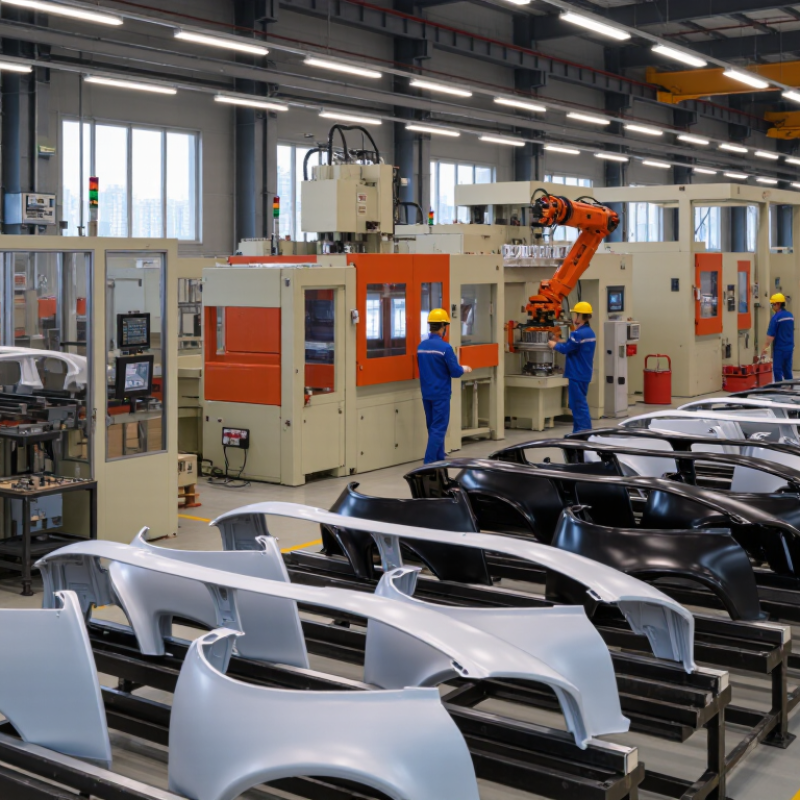
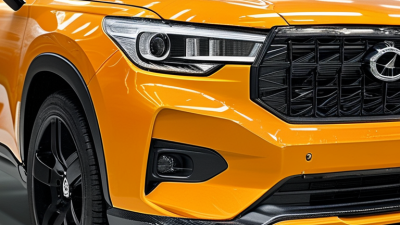
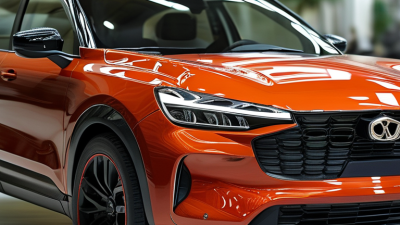
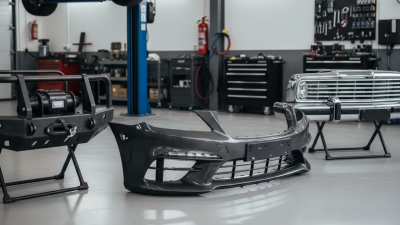
China has become a major sourcing base for vehicle exterior components, including the Car Front Bumper. According to the International Organization of Motor Vehicle Manufacturers (OICA), global vehicle production reached approximately 93.5 million units in 2023. China contributed more than 30 million vehicles, creating a deep manufacturing ecosystem for injection molding, painting, tooling, and assembly.
This scale matters to global buyers. A qualified supplier may offer PP, ABS, or reinforced polymer bumpers, depending on vehicle design and impact requirements. The Automotive Plastics Market report from Grand View Research identifies lightweight polymers as an important direction in modern vehicle manufacturing. However, market estimates vary between research firms. Their definitions are not always consistent. Buyers should examine the methodology, not only the headline number.
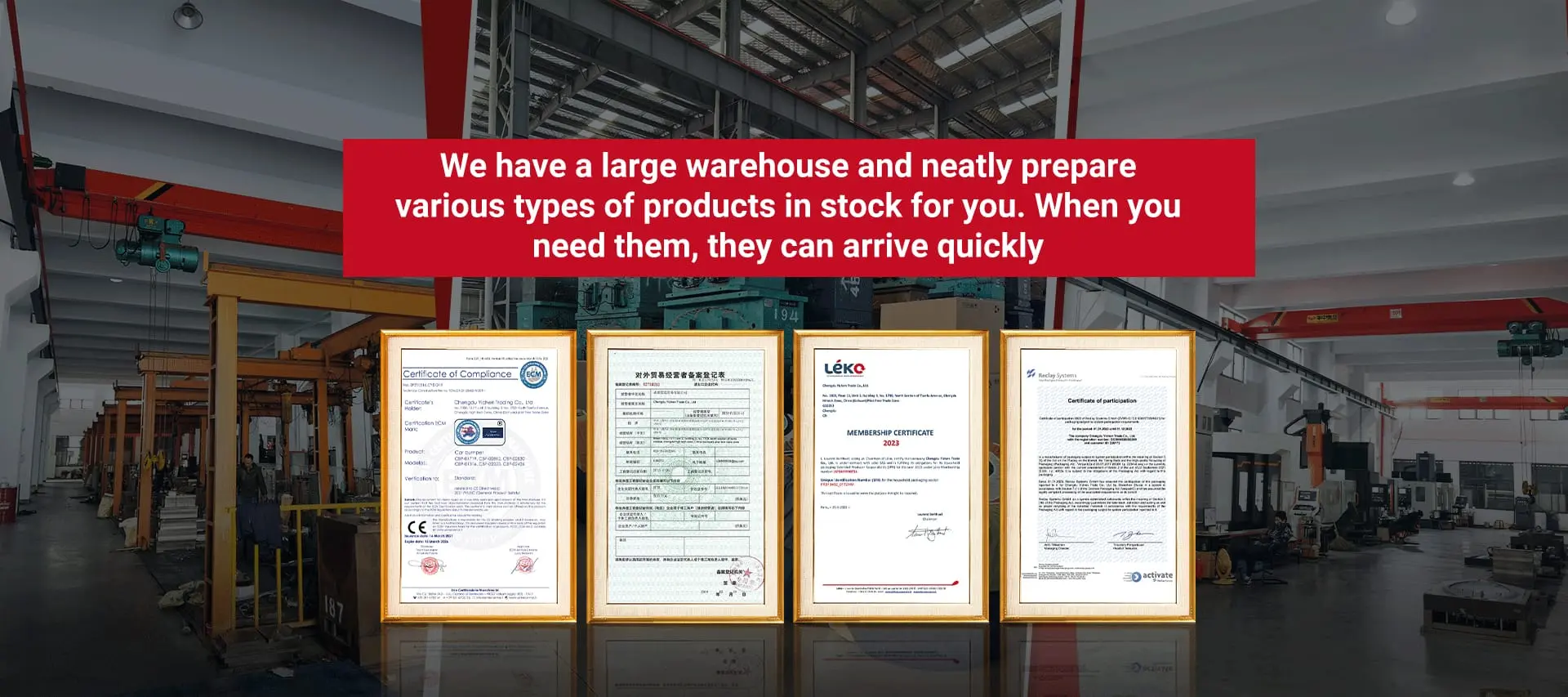
Reliable sourcing requires more than a low quotation. Experienced buyers should verify mold ownership, resin traceability, dimensional inspection, and coating performance. A factory tour can reveal practical details, such as drying controls near injection machines or uneven paint edges on sample parts. Useful evidence includes ISO 9001 certification, PPAP capability, material reports, and test records aligned with applicable vehicle requirements.
Not every large factory is the right partner. Some suppliers communicate well but struggle with engineering changes. Others produce attractive samples but lack stable production control. This is where supplier audits, pilot orders, and transparent corrective-action reports become valuable. China’s supplier base is extensive, but quality consistency still requires careful verification. This guide examines leading China Car Front Bumper suppliers through manufacturing capability, export experience, customization support, quality systems, and long-term reliability.
China’s car front bumper supplier landscape is broad, but not uniform. The China Association of Automobile Manufacturers reported 31.28 million vehicles produced in 2024, while vehicle exports reached 5.86 million units. This scale supports dense supplier clusters, especially for injection molding, tooling, painting, and assembly.
Look beyond catalogue photos. Serious suppliers should provide PPAP files, dimensional reports, material certificates, and traceable inspection records. IATF 16949 certification is useful, but it does not replace process audits. Check bumper wall thickness, mounting-point accuracy, grille alignment, and low-temperature impact performance. Small errors matter.
Material choices often include PP or PP/EPDM blends. They balance impact resistance, weight, and cost. The European Chemicals Agency notes that additives and recycled content require controlled documentation. That point is easy to overlook. Some suppliers offer attractive unit prices, yet tooling changes, export packing, or color matching may create hidden costs. Request a production sample, not only a prototype. Also verify mold ownership and spare-part support in writing. The landscape is competitive, but quality evidence remains uneven. A careful buyer should compare process capability, response time, and corrective-action records before comparing prices.
China’s expanding vehicle export volume is a useful indicator of the growing international demand for automotive components, including front bumper systems. Buyers typically evaluate suppliers by production capacity, tooling capability, quality certification, customization support, and export experience.
Data source: China Association of Automobile Manufacturers (CAAM). Figures represent China’s total automobile exports, including passenger and commercial vehicles.
China’s front bumper supplier base is broad, not uniform. OICA reported 93.5 million motor vehicles produced worldwide in 2023. China’s 2024 output reached 31.28 million vehicles, according to the China Association of Automobile Manufacturers. This scale supports several supplier types: original-equipment manufacturers, aftermarket factories, mold specialists, and export trading companies. Each serves a different purchasing need.
Original-equipment suppliers usually manage engineering drawings, tooling, validation, and batch production. Their bumpers may include PP, ABS, energy absorbers, grilles, sensor brackets, and painted surfaces. Mold specialists focus on precision tooling, often supplying several factories rather than finished parts. Aftermarket manufacturers offer wider vehicle coverage and smaller order quantities. Trading companies can simplify communication, but buyers should confirm the actual factory location and quality responsibility.
Practical sourcing requires more than comparing prices. Ask for material specifications, impact-test records, dimensional reports, and coating standards. IATF 16949 certification can indicate a stronger automotive quality system, but certification alone proves little about daily control. Request samples from the same production line. Check clip alignment on a real vehicle, not only in photographs. A low quote can still be expensive. Hidden mold fees, repainting, and damaged export packaging may change the final cost. Grand View Research identifies continuing growth in automotive plastics demand, yet recycled-content requirements and electric-vehicle sensor integration create new design questions. Some suppliers answer quickly but vaguely. That is a warning, not a minor inconvenience.
Evaluating a China-based car front bumper supplier starts with evidence, not polished photographs. Ask for material certificates, batch records, and recent inspection reports. Common bumper materials include polypropylene blends and thermoplastic elastomers. Their grade affects flexibility, impact resistance, weight, and paint adhesion. A reliable supplier should explain the resin source and provide traceable lot numbers.
Request production samples before approving large orders. Check panel gaps, mounting points, surface smoothness, and grille alignment. Test samples through impact, low-temperature, heat-aging, and vibration procedures. Paint adhesion deserves attention. Peeling around clips often appears after installation, not during a showroom inspection. Some suppliers can provide dimensional reports from coordinate measuring equipment. These reports are useful, but they should match the actual shipment.
Manufacturing standards reveal more than factory size. Review molding-machine maintenance, mold repair records, operator training, and final inspection controls. Standards such as ISO 9001 or IATF 16949 may support a structured quality system, but certificates alone prove little. Audit traceability from raw material storage to carton labeling. Confirm packaging protects corners and mounting tabs during sea transport. I have seen excellent prototypes followed by inconsistent production. That gap needs investigation. A second-party inspection can expose defects that internal teams miss. Still, inspectors may overlook long-term fitment issues. Keep installation feedback from distributors and repair technicians. It can improve specifications, sampling plans, and supplier decisions.
China offers flexible front bumper sourcing for global vehicle programs. OEM production follows approved drawings, material grades, tooling requirements, and inspection standards. ODM sourcing gives buyers a proven bumper structure with room for design changes. Custom development goes further, covering styling, sensor openings, grilles, mounting points, and surface texture.
A reliable supplier should explain every development stage clearly. Request material certificates, dimensional reports, impact-test records, and sample approval documents. Experienced teams can review CAD files and identify weak clips, uneven gaps, or difficult mold areas. A first drawing is rarely complete. That is normal, but unclear revisions can become expensive later. Confirm ownership of molds, revision control, packaging details, and replacement procedures before production.
Tips:
Send a complete vehicle specification sheet. Include bumper dimensions, resin requirements, finish, color code, sensor locations, and target quantities. Ask for a prototype before mass production. Check the bumper on an actual vehicle, not only on a computer screen. Inspect gaps around headlights, fenders, and the hood. Photograph each issue and record measurable corrections. Factory visits, remote video inspections, and third-party testing can improve confidence. Still, buyers should not rely on certificates alone. Factory capability can change, and even a qualified supplier may miss a small fitment problem during a busy production period. Keep a signed golden sample for final comparison.
China Top Car Front Bumper Suppliers for Global Buyers
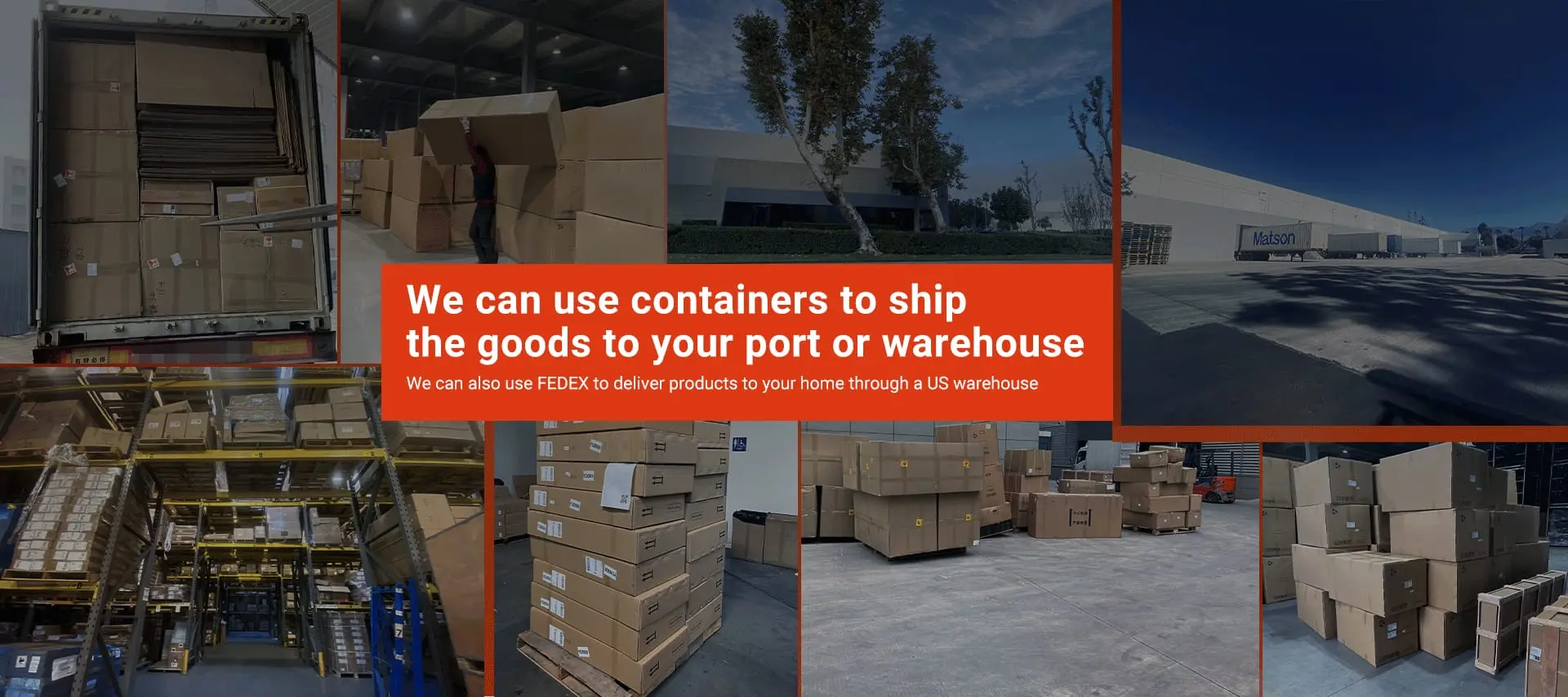
Exporting car front bumpers from China requires more than comparing online quotations. Experienced buyers usually begin with drawings, vehicle applications, material requirements, and annual volumes. A supplier should confirm mold ownership, production capacity, inspection steps, and export documentation. Samples should be checked for fit, surface finish, mounting points, and packaging strength. A damaged corner after a long sea shipment can erase a small price advantage.
Pricing normally includes tooling, bumper units, protective packaging, inland transport, and shipping terms. Ask whether the quotation uses EXW, FOB, or another agreed delivery basis. Request a detailed cost sheet, not only a unit price. A low quote may exclude molds, testing, or reinforced cartons. That mistake is common. It deserves attention.
Supplier selection should combine technical evidence with communication reliability. Review factory photos, quality records, sample reports, and references from comparable markets. Confirm production lead times in writing, including approval delays and holiday periods. Independent pre-shipment inspections can check quantity, color consistency, dimensions, and labeling. Payment terms should match verified milestones and documented acceptance criteria. No supplier performs perfectly every time, so a clear corrective-action process matters. Small trial orders often reveal more than polished presentations.
| Evaluation Dimension | Common Market Data or Requirement | Why It Matters to Global Buyers | Recommended Verification Method | Practical Buyer Action |
|---|---|---|---|---|
| Product Scope | Front bumpers are commonly supplied as replacement parts, aftermarket assemblies, painted or unpainted covers, and components prepared for parking sensors, grilles, fog lamps, or washers. | Different configurations affect tooling, packaging, compatibility, and total landed cost. | Request a part-number cross-reference, product drawings, photographs of mounting points, and a list of included or excluded accessories. | Specify vehicle model year, body style, market version, sensor openings, material, surface finish, and required accessories before requesting a quotation. |
| Typical Materials | Thermoplastic materials such as PP, PC/ABS, ABS, and related polymer compounds are widely used for automotive bumper covers. | Material selection influences impact performance, flexibility, paint adhesion, weight, and recyclability. | Ask for the material grade, technical data sheet, applicable test records, and a sample for dimensional and surface inspection. | Use the required material grade or performance specification rather than accepting an unspecified “plastic” description. |
| Indicative Unit Pricing | Unpainted aftermarket bumper cover: approximately US$25–US$90 per piece; painted or sensor-ready versions: approximately US$55–US$180 per piece. | Price varies substantially with vehicle size, tooling status, material, finish, packaging, order quantity, and required testing. | Compare quotations on the same basis: product specification, Incoterm, order quantity, packaging, tooling, and inspection scope. | Treat online prices as preliminary indications only and request a formal quotation with validity period and commercial terms. |
| Tooling and Development Cost | New injection-molding tooling may range from several thousand to tens of thousands of US dollars, depending on part size, mold complexity, steel specification, and cavity design. | Tooling can be the largest upfront cost for a new bumper program and may determine the minimum viable order quantity. | Request a separate tooling quotation, mold-flow or design review where applicable, expected tool life, maintenance terms, ownership terms, and trial-shot schedule. | Confirm whether the tool is customer-owned, supplier-owned, or shared, and define access and transfer rights in writing. |
| Minimum Order Quantity | Stock or existing-tool products may be available in smaller trial quantities; newly developed parts often require a higher minimum order due to setup, material, and packaging costs. | MOQ affects inventory exposure, cash flow, and the feasibility of testing a new supplier. | Ask for separate MOQs for samples, trial orders, regular production, painted parts, and mixed-container shipments. | Negotiate a pilot order or mixed-model shipment before committing to a long-term volume forecast. |
| Quality Management | Relevant controls include incoming-material inspection, first-article approval, dimensional inspection, appearance checks, assembly-fit checks, and final random inspection. | Quality systems reduce defects such as warpage, sink marks, poor paint adhesion, incorrect mounting points, and color mismatch. | Request quality certificates, inspection records, control plans, defect classifications, and corrective-action procedures. | Define measurable acceptance criteria and attach approved samples, drawings, or photographs to the purchase contract. |
| Fit and Compatibility | Critical dimensions include mounting holes, grille interfaces, lamp clearances, sensor locations, fender alignment, and underbody attachment points. | A visually similar bumper may still fail installation or create safety and warranty issues. | Conduct a sample fit test on the intended vehicle or use a validated checking fixture before mass production. | Approve a production sample only after checking fit, gaps, flushness, fastening points, and accessory compatibility. |
| Surface and Paint Finish | Buyers may choose raw/unpainted, primed, painted, textured, or ready-to-install finishes. Color matching commonly requires an approved reference standard. | Painted parts add labor, inspection, packaging, and claims risk, while color variation can affect customer acceptance. | Confirm paint system, gloss level, texture, color reference, coating thickness, adhesion test, and allowable appearance defects. | Use an approved master panel or physical color standard instead of relying only on digital images. |
| Packaging and Protection | Individual protective bags, foam or molded separators, corner protection, cartons, pallets, and moisture-resistant materials may be required. | Large, lightweight bumper covers are vulnerable to deformation, scratches, and compression damage during handling and ocean transport. | Request packaging photographs, carton dimensions, gross weight, stacking limits, and a drop or transport simulation where needed. | Approve packaging through a trial shipment and calculate container utilization before finalizing the order. |
| Export Documentation | Typical documents include a commercial invoice, packing list, bill of lading or airway bill, export declaration data, certificate of origin when required, and inspection or test records if specified. | Accurate documents support customs clearance, duty assessment, payment processing, and import compliance. | Have the supplier provide draft documents before shipment for review of product description, quantity, HS classification, weights, and consignee details. | Confirm destination-country documentation requirements with the importer, customs broker, or freight forwarder before production. |
| HS Classification | Automotive plastic parts are commonly classified within the vehicle-parts tariff chapter, but the exact HS code depends on the product and destination-country customs interpretation. | Incorrect classification can cause delays, reassessment of duties, penalties, or documentary discrepancies. | Obtain the proposed code from the customs broker and verify it against the destination authority’s tariff database. | Do not rely on a supplier’s code alone; confirm the final classification with the importing party or licensed customs professional. |
| Incoterms and Freight | Common quotation bases include EXW, FOB, CFR, and CIF. Ocean freight is generally more economical for high-volume bumper shipments, while air freight is mainly used for samples or urgent replenishment. | The same unit price can produce very different landed costs depending on freight responsibility, insurance, port charges, and destination handling. | Request itemized pricing for product, tooling, packaging, inland transport, export handling, freight, insurance, and destination charges. | Compare suppliers using total landed cost rather than factory unit price alone, and state the selected Incoterm and named place clearly. |
| Lead Time | Existing-tool samples may take roughly 7–21 days; new tooling and validation commonly require several additional weeks before regular production. | Lead time affects launch schedules, stock planning, promotional commitments, and service-parts availability. | Request a milestone plan covering drawing approval, tooling, trial samples, approval, production, inspection, and booking. | Include realistic buffer time for sample revisions, holiday shutdowns, port congestion, and customs clearance. |
| Supplier Capability | Relevant capabilities include mold development, injection molding, trimming, drilling, painting, assembly, inspection, export packing, and production traceability. | A supplier with more controlled processes may reduce coordination gaps between molding, finishing, and final inspection. | Review the production site, equipment list, process flow, quality personnel, subcontracting policy, and recent audit findings. | Prefer suppliers able to demonstrate stable production capacity for the required part family and forecast volume. |
| Compliance and Testing | Requirements vary by destination and may include chemical restrictions, recyclability information, material declarations, labeling, impact performance, or vehicle-specific regulatory documentation. | Compliance obligations can apply to the importer even when the part is described as aftermarket or replacement equipment. | Provide the destination-market requirements and request supporting declarations, test reports, and traceability records. | Obtain professional regulatory advice for safety-critical or vehicle-regulated applications before purchase. |
| Payment Risk Control | Common structures include a deposit followed by balance payment before shipment, documentary payment, or other agreed commercial arrangements. | Payment terms influence cash-flow risk, especially when tooling is custom-made or the order value is high. | Verify company registration details, bank-account consistency, contract signatures, inspection rights, and refund or remedy clauses. | Link milestone payments to objective deliverables such as approved drawings, acceptable samples, passed inspection, and shipment documents. |
| After-Sales and Claims | Commercial terms should address shortages, transport damage, dimensional defects, paint defects, incorrect parts, replacement obligations, and claim deadlines. | Clear remedies reduce disputes and protect the buyer’s cost of rework, replacement, storage, and customer returns. | Ask for a written warranty period, response time, root-cause process, replacement policy, and responsibility for verified defects. | Document defects with photographs, inspection reports, batch information, and installation evidence immediately after receipt. |
| Recommended Selection Score | Suggested weighting: product fit and quality 30%; total landed cost 20%; production capability 15%; lead time 10%; compliance 10%; communication and documentation 10%; after-sales support 5%. | A weighted score prevents the lowest quoted price from becoming the only selection criterion. | Score at least three qualified suppliers using identical questions, documents, samples, and commercial assumptions. | Select the supplier with the strongest risk-adjusted value, not necessarily the lowest factory quotation. |