2026 Best Car Front Bumper Types for Global Buyers?
Choosing the right Car Front Bumper in 2026 requires more than comparing appearance, price, or chrome details. Global buyers face different road surfaces, climates, repair networks, vehicle weights, and technology packages. A bumper that performs well on smooth European roads may suffer on rough rural routes, crowded city streets, or extreme desert heat. Material choice matters too. Steel offers strength, aluminum reduces weight, and engineered plastics can improve impact absorption and repair flexibility.
David Zuby, former Chief Research Officer at the Insurance Institute for Highway Safety, has stated, “The safest way to prevent a crash is to avoid it in the first place.” His point remains important. A Car Front Bumper cannot replace careful driving, airbags, or electronic safety systems. It is only one part of the vehicle’s protection strategy. Modern designs must also accommodate parking sensors, radar units, cameras, pedestrian-friendly structures, and active grille components. Small damage can become expensive when sensors need recalibration.
There is no universal winner.
This guide examines the main Car Front Bumper types for global buyers in 2026. It considers impact performance, weight, corrosion resistance, styling, maintenance, and replacement cost. It also questions a common assumption: stronger does not always mean better. An overly rigid design may transfer force differently during a collision. A lightweight bumper may save fuel but require careful repair procedures. Buyers should check vehicle compatibility, local service expertise, and manufacturer specifications before choosing. Some recommendations may change as materials and safety technologies develop. That uncertainty deserves attention, not marketing language.
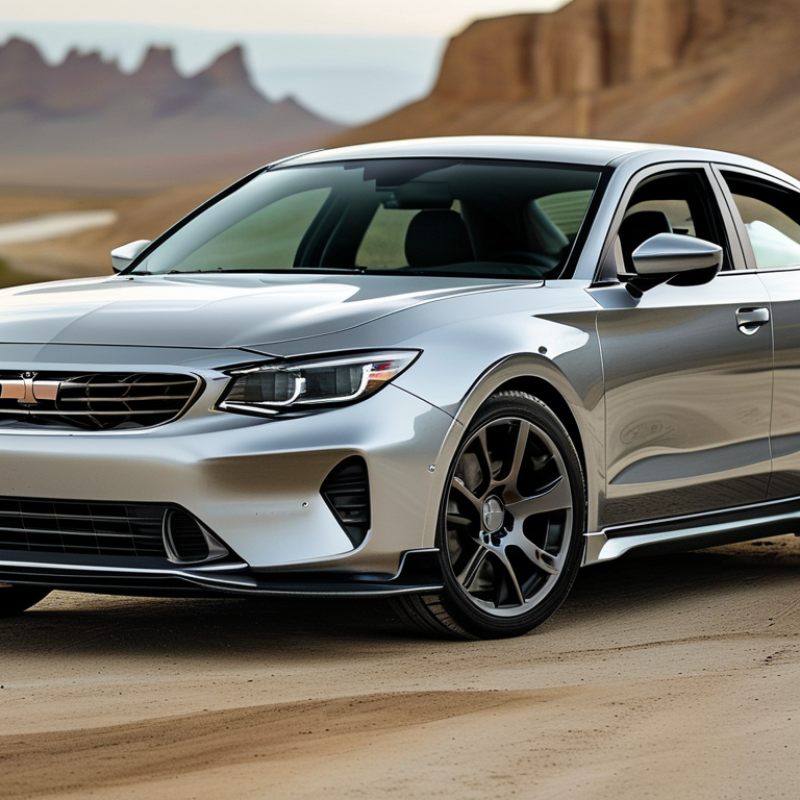
What Is a Car Front Bumper and Why Does Its Type Matter?
A car front bumper is the outer protection system at the vehicle’s nose. It usually includes a plastic cover, energy-absorbing foam, and a reinforced beam. Its job is not to replace airbags or seat belts. It helps manage low-speed impacts and supports the vehicle’s crash structure.
Bumper type matters because materials behave differently. Thermoplastic covers can reduce weight and simplify replacement. Steel or aluminum beams provide stronger reinforcement, but they may increase repair costs. Foam absorbers spread impact energy before it reaches the frame.
In practical inspections, I check mounting points, sensor locations, and hidden deformation. Appearance alone can mislead.
Pedestrian protection also changes bumper design. NHTSA’s Traffic Safety Facts 2022 recorded 7,388 pedestrian deaths in the United States, showing why front-end geometry deserves attention. Euro NCAP’s assessment protocols also examine pedestrian protection around the hood and bumper area. A softer, more compliant structure may reduce injury risk, but it cannot solve every collision. It matters.
Buyers should compare repairability, material strength, sensor integration, and climate durability. FMVSS 581 focuses on low-speed bumper damage resistance, not complete occupant protection. That distinction is often overlooked. I would not choose a bumper by appearance or material alone. Real performance depends on the entire front-end system, installation quality, and verified test evidence.
How to Compare Major Front Bumper Types in 2026
How to Compare Major Front Bumper Types in 2026
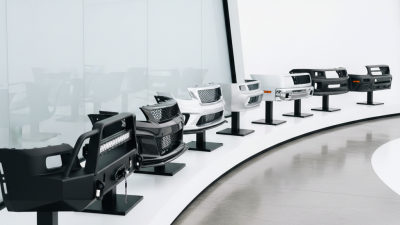
Global buyers should compare front bumpers by protection, repair cost, weight, and sensor compatibility. The common polymer cover with a foam or plastic absorber is light, corrosion-resistant, and easier to replace after a parking scrape. Steel systems offer stronger resistance against heavy impacts, but they add weight and may transfer more force to supporting structures. Aluminum reduces mass, yet repairs can require specialist equipment. Modular off-road bumpers provide practical clearance and mounting space, although they may affect pedestrian protection and vehicle aerodynamics.
The 2024 European Commission road-safety report recorded 20,400 road deaths across the European Union in 2023. That figure supports a careful focus on crash energy management, not appearance alone. Euro NCAP’s evolving assessment protocols also place greater attention on pedestrian safety and advanced driver-assistance sensors.
Buyers should inspect absorber thickness, deformation zones, grille openings, radar compatibility, and replacement availability. A low-cost bumper is not always economical.
Market research from Grand View Research identifies lightweight materials as a major automotive bumper trend through the decade. Still, a lighter design may be less suitable for rough roads, towing, or frequent animal impacts. My comparison has one weakness: published tests rarely reflect every climate and repair habit. Check local parts access, temperature exposure, and insurance repair data before choosing. A smooth showroom finish can hide fragile mounting points.
Which Materials and Safety Features Should Global Buyers Check?
For global buyers, front bumper safety begins with material behavior, not appearance. Polypropylene covers resist minor impacts and corrosion, while steel reinforcements provide stronger structural support. Aluminum reduces weight, but repairs can require specialized equipment. Energy-absorbing foam behind the cover can reduce damage during low-speed collisions. It is easy to overlook. A glossy bumper may hide weak mounts, cracked absorbers, or poor previous repairs.
Check whether the bumper includes pedestrian-friendly shaping and controlled deformation. The World Health Organization’s Global Status Report on Road Safety 2023 records approximately 1.19 million annual road deaths worldwide. Its data supports closer attention to systems protecting vulnerable road users. Euro NCAP’s newer assessment protocols examine pedestrian protection, autonomous emergency braking, and sensor performance. Buyers should verify that radar, cameras, parking sensors, and grille-mounted detection units remain correctly positioned after installation. A small alignment error can affect emergency braking.
Low-speed protection also matters. The Insurance Institute for Highway Safety’s bumper research shows that bumper design influences repair costs after common parking impacts, although these tests do not measure complete occupant protection. NHTSA’s 2022 Fatality Analysis Reporting System recorded 7,522 pedestrian deaths in the United States. That figure makes active safety features worth checking, not merely decorative. Ask for material specifications, mounting diagrams, impact-test documentation, and calibration records. Certification labels help, but they are not infallible. A lighter bumper may improve efficiency, yet it can offer less local impact resistance. My practical concern is simple: buyers often compare shapes before checking what sits behind them.
How Climate, Roads, Regulations, and Vehicle Use Affect Bumper Choice
2026 Best Car Front Bumper Types for Global Buyers?
Climate, road quality, regulations, and vehicle use should guide bumper selection. In coastal regions, salt air attacks exposed steel and fasteners. A corrosion-resistant metal reinforcement helps, but protective coatings still need inspection. In hot climates, durable thermoplastic covers can resist minor impacts and ultraviolet damage. Cold weather demands materials that remain flexible below freezing. Brittle plastic may crack after a small parking impact.
Road conditions change the practical answer. Urban drivers often benefit from an energy-absorbing bumper system with replaceable outer sections. It can reduce repair costs after low-speed contact. Gravel roads require stronger under-bumper protection and secure mounting points. Rural users may prefer a reinforced bumper, but excessive weight can increase fuel use and affect handling. Mud, snow, and standing water also expose wiring and sensors to damage.
Vehicle use matters just as much. A family car needs pedestrian-conscious design and clear sensor integration. A work vehicle may need greater clearance and easier field repair. Local approval rules can limit bumper height, sharp edges, materials, or lighting positions, so buyers should check current requirements before importing. No single bumper type fits every market. My preferred design can be wrong on a rough, salty road. Buyers should compare crash data, replacement-part access, repair procedures, and warranty terms from qualified suppliers. Simple inspection records are often more valuable than impressive appearance.