How to Choose the Right Bumper Front for Your Vehicle?
Choosing the right bumper front for your vehicle is crucial. It affects both safety and aesthetics. The bumper front plays a significant role in vehicle protection during minor collisions. However, picking one may not be as straightforward as it seems.
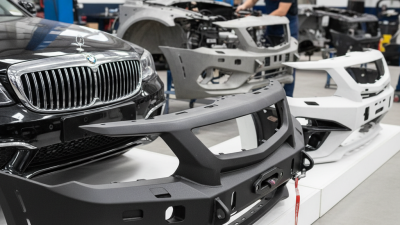
A well-selected bumper front enhances your vehicle's look and offers better durability. Different models and materials are available. For instance, some are made from plastic, while others are firm metal. Each option has unique pros and cons that require careful consideration.
Many vehicle owners overlook essential factors. They might choose based solely on appearance. This can lead to dissatisfaction later. Reflect on your needs and driving conditions before purchasing. The right bumper front can make all the difference in your driving experience.
Understanding the Purpose of a Bumper Front for Your Vehicle
A bumper front serves multiple crucial purposes for your vehicle. Primarily, it protects both the front of the car and its occupants during a collision. According to the National Highway Traffic Safety Administration (NHTSA), effective bumpers can absorb about 5 mph of impact without damage. This damage mitigation extends the lifespan of your car and reduces repair costs, making them an essential investment.
Moreover, bumpers improve pedestrian safety. Data from the World Health Organization suggests that up to 1.3 million people die each year in road traffic accidents. A well-designed bumper can lessen the severity of injuries. Certain designs can redirect impact forces away from pedestrians, ensuring better protection during unfortunate incidents.
Choosing the right bumper can be challenging. Options vary widely, from standard ones to heavy-duty versions. Consider factors such as vehicle type and driving habits. If you often navigate urban environments, a reinforced bumper may better suit your needs than a lightweight model. Remember that a bumper's appearance also influences perceptions of your car. Balancing safety with aesthetics can take time and reflection. It’s important to weigh all these aspects carefully.
How to Choose the Right Bumper Front for Your Vehicle?
| Bumper Type |
Material |
Weight (lbs) |
Features |
Price Range |
| Plastic Bumper |
Polypropylene |
15 |
Lightweight, Easy to paint |
$100 - $300 |
| Steel Bumper |
Steel |
40 |
Highly durable, Heavy-duty protection |
$300 - $700 |
| Fiberglass Bumper |
Fiberglass |
20 |
Customizable designs, Lightweight |
$150 - $400 |
| Aluminum Bumper |
Aluminum |
25 |
Corrosion-resistant, Lightweight |
$200 - $500 |
Types of Bumper Fronts: Materials and Designs Explained
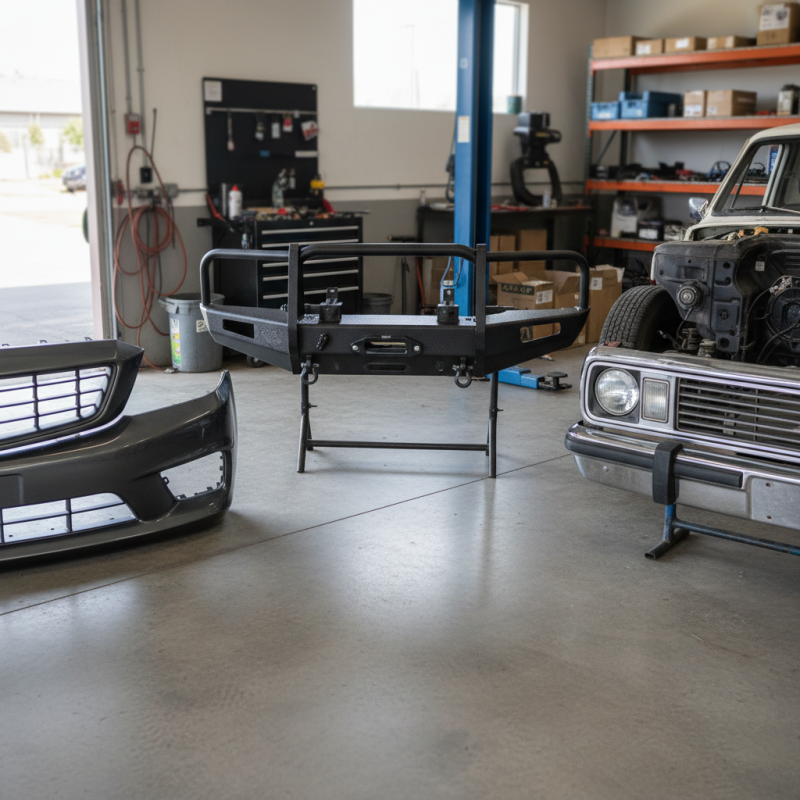
When selecting a bumper front, understanding materials and designs is crucial. Bumpers are typically made from steel, aluminum, plastic, or composite materials. Each offers unique benefits and drawbacks. According to industry reports, steel bumpers are favored for their durability. They can withstand high impacts but are heavier. Aluminum provides a lightweight alternative with similar strength properties. However, it can be prone to bending under extreme stress.
Plastic bumpers are commonly found on many vehicles. They are lightweight and resistant to rust. However, they may crack or dent more easily compared to metal options. Composite materials, like fiberglass, offer enhanced aesthetics and can be custom-designed. Yet, long-term durability remains a concern for many car owners. While aesthetics matter, functionality should drive your choices.
It's essential to reflect on these factors during your decision-making process. What suits one vehicle may not suit another. Not every design will fit your driving needs. Remember, functionality and safety are paramount. Data reveals that accidents involving less durable bumpers result in higher repair costs. Prioritizing the right material can save you money in the long run.
Key Factors to Consider When Selecting a Bumper Front
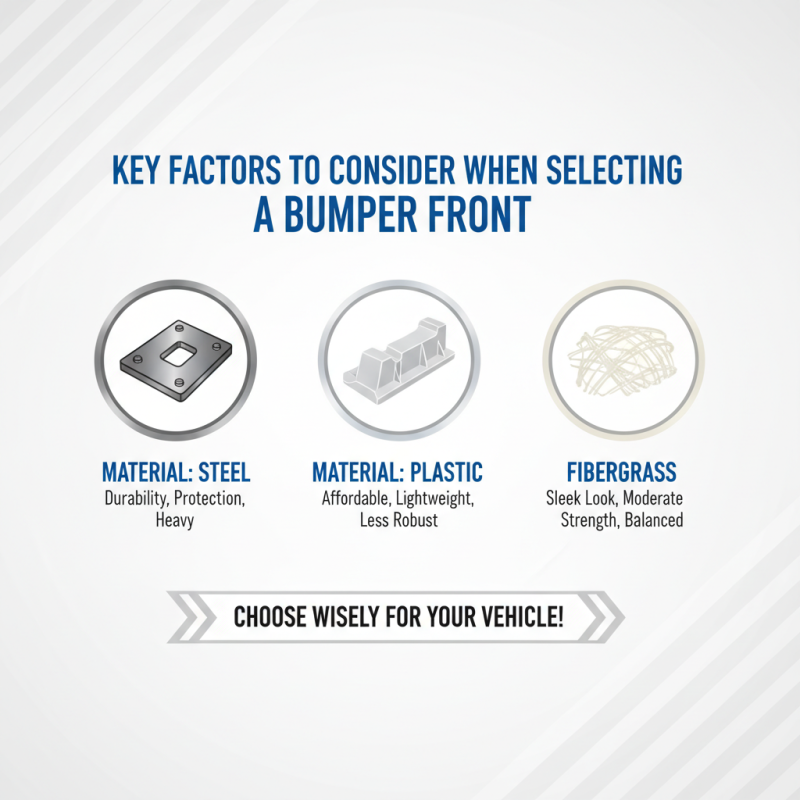
Choosing the right front bumper for your vehicle involves several important factors. First, consider the material. Bumpers can be made from steel, plastic, or fiberglass. Steel offers superior durability and protection but may be heavier. Plastic is lighter and more affordable, but it can be less robust. Fiberglass strikes a balance, providing a sleek look and moderate strength.
Next, compatibility is crucial. Ensure the bumper fits your vehicle’s make and model. Double-check specifications for mounting points and alignment. Aftermarket bumpers may offer a different aesthetic or additional features like mounting for lights. Read customer reviews for insights on installation experiences. They can reveal issues that may not be obvious.
Also, think about your driving habits. If you drive off-road or in hazardous conditions, prioritize strength and resilience. A lightweight bumper may not withstand rugged terrain. Reflect on your needs and long-term value. Investing in a quality bumper can prevent future repairs, but always weigh personal style against practicality.
Compatibility: Ensuring Your Bumper Matches Your Vehicle Model
When selecting a bumper front for your vehicle, compatibility is crucial. A bumper not designed for your specific car model may not fit correctly. According to a report from the Automotive Aftermarket Industry Association (AAIA), about 35% of consumers face issues due to mismatched parts. This statistic highlights the importance of ensuring that the bumper aligns with your vehicle’s specifications.
Many bumpers come with necessary manufacturing details. Check the part numbers to confirm compatibility. This can save time and money and avoid frustration during installation. A mismatch may also compromise safety features like sensors or airbags. A study from the National Highway Traffic Safety Administration (NHTSA) emphasizes that improper installations can lead to increased accident risks.
Achieving a correct fit can be challenging. Many vehicle enthusiasts advise using online tools to verify compatibility. However, some online systems may not always be updated. Customers should rely on multiple sources for information. It’s wise to consult professionals or forums for firsthand experiences. Relying solely on one supplier or system could lead to costly mistakes. Each vehicle model comes with specific requirements that must be met to ensure performance and safety.
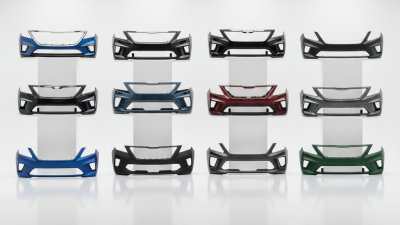
Compatibility of Bumper Fronts with Vehicle Models
Installation Options: DIY vs Professional Assistance for Bumper Fronts
When selecting a bumper front for your vehicle, you may wonder whether to tackle the installation yourself or hire a professional. Each option has its pros and cons, which can significantly affect the outcome and overall vehicle safety.
DIY installation can be a rewarding experience. You can save money by avoiding labor costs. However, it requires tools, time, and a certain level of skill. If you're not mechanically inclined, this could lead to mistakes. Poorly installed bumpers can affect the vehicle's aesthetics and safety features. For those with limited experience, it's wise to research installation guidelines thoroughly before proceeding.
On the other hand, professional installation ensures quality and reliability. Professionals have the expertise to handle various bumper styles. They know how to align them correctly and ensure they meet safety standards. Yet, this option often comes at a higher cost. It’s crucial to choose a reputable service provider. Trust your instincts—if a shop feels off, it might be best to keep looking. Reflect on your prior experiences and weigh the importance of a flawless job versus budget constraints.