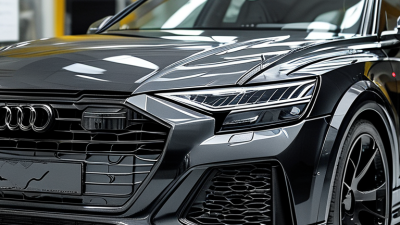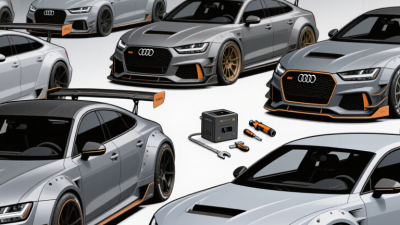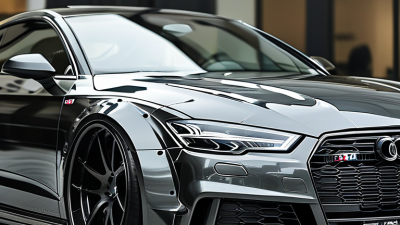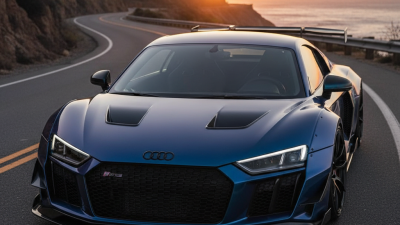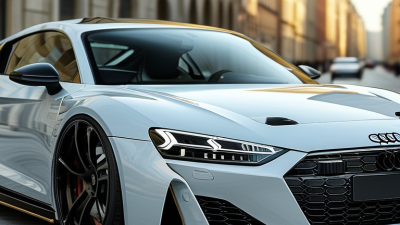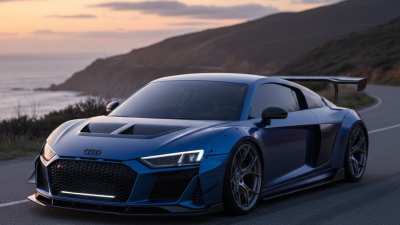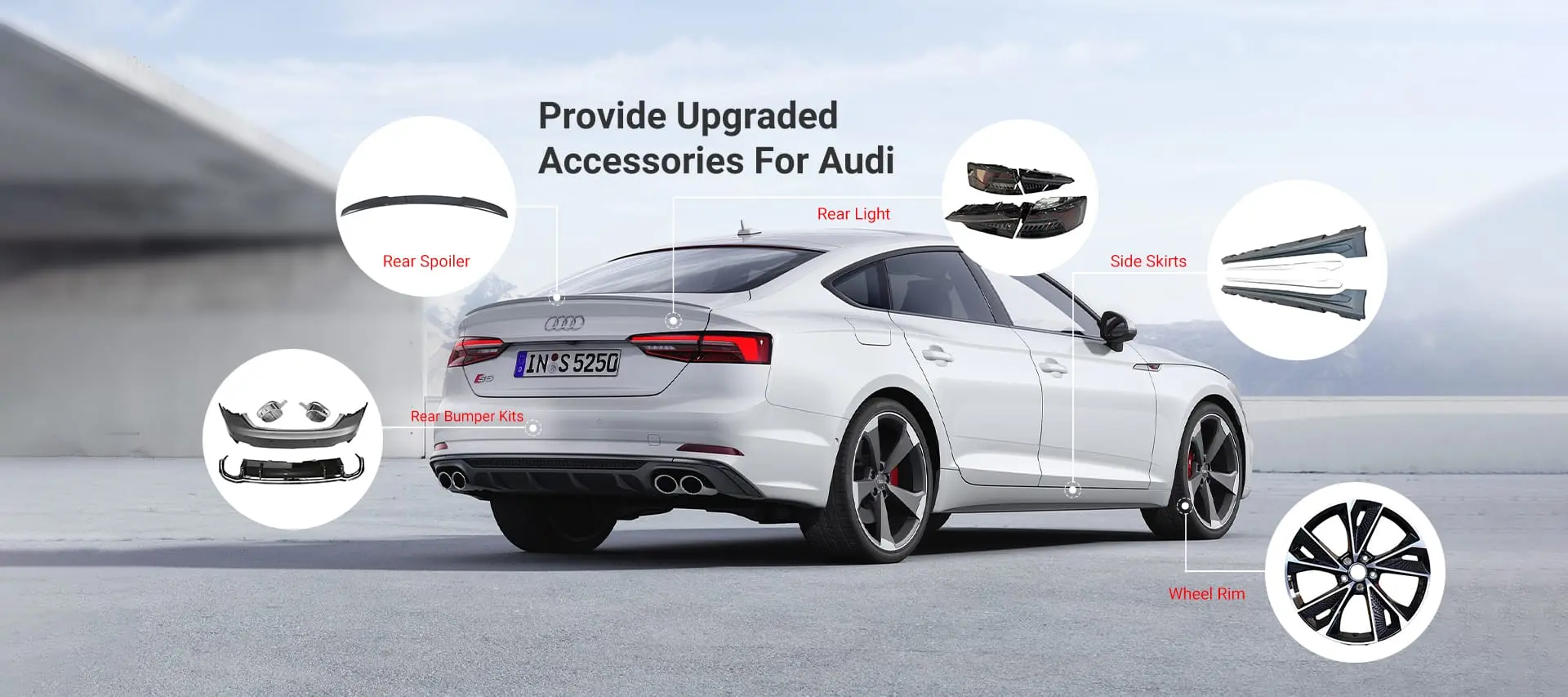
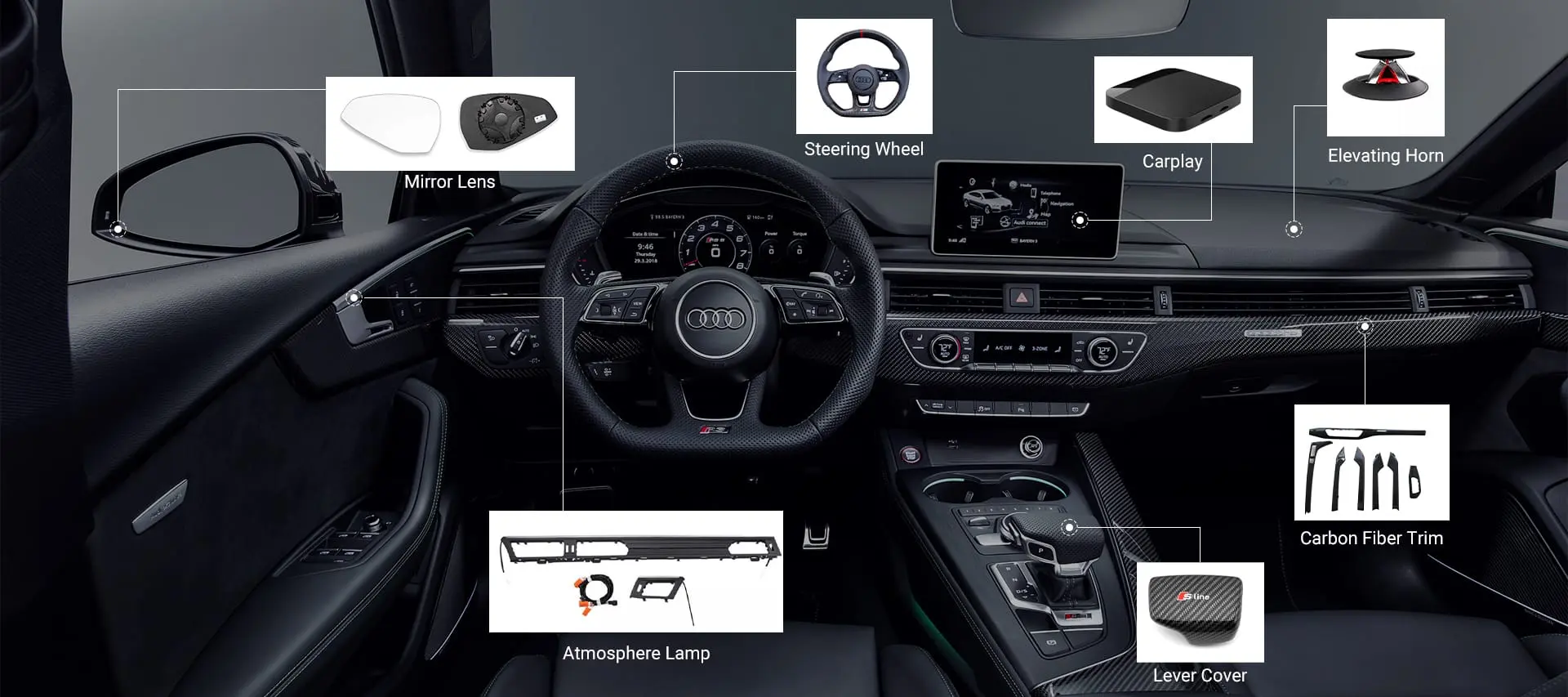

The 2026 Audi Bodykit market is becoming more precise, diverse, and demanding. Global buyers now expect sharper styling without sacrificing road safety, comfort, or factory-level integration. Popular choices include front splitters, side skirts, rear diffusers, complete widebody kits, and subtle OEM+ packages. Each type creates a different visual effect. Some add presence. Others improve airflow around the vehicle.
Marc Lichte, Audi’s former Head of Design, once said, “The design of the future is not a question of what is technically possible, but what is emotionally desirable.” That idea remains useful when comparing bodykits for the Audi A4, A5, A6, Q5, Q7, and performance models. A dramatic kit may look impressive in studio photographs. However, daily drivers need sensible ground clearance, accurate panel alignment, and reliable mounting points. Carbon fiber can reduce weight, but its price and repair requirements deserve attention. Fiberglass may offer flexibility, yet quality varies between manufacturers.
Real experience matters here. A poorly fitted bumper can create uneven gaps, tire interference, or annoying vibration at highway speeds. Small details matter.
This guide examines the top Audi Bodykit types for global buyers in 2026. It considers materials, installation difficulty, climate conditions, shipping concerns, and local vehicle regulations. Not every popular design suits every Audi. That is the uncomfortable part. Buyers can still choose an attractive kit and regret ignoring wheel clearance, sensor placement, or certification requirements. Careful research remains more valuable than aggressive styling. A refined bodykit should look intentional, function properly, and respect the vehicle’s original engineering.
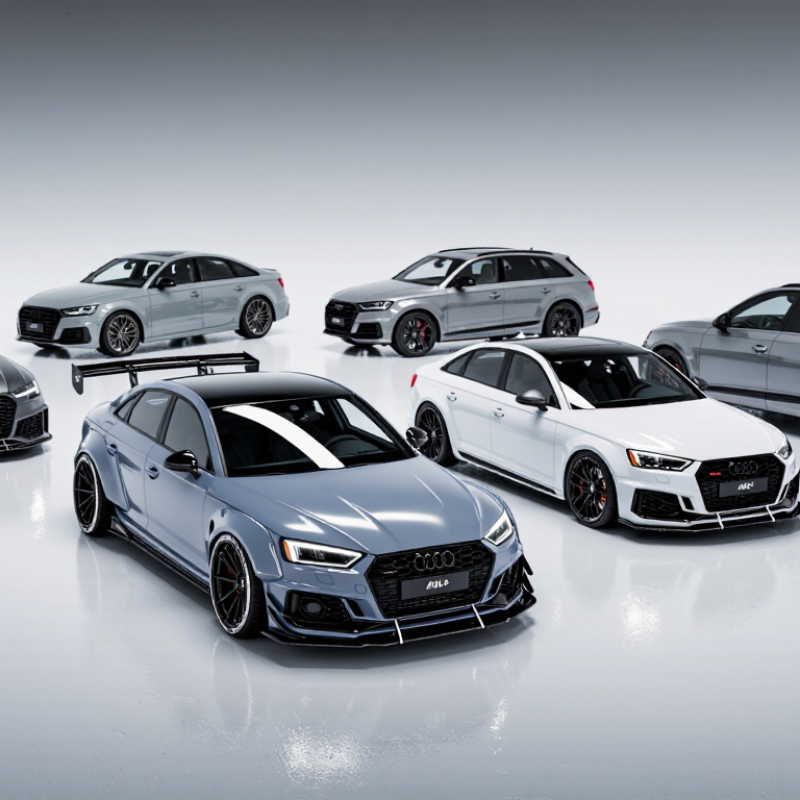
A bodykit changes more than a vehicle’s appearance. It can improve airflow, protect original panels, and create a wider visual stance. However, design should follow the vehicle’s structure, not only personal taste.
Common components include front lips, side skirts, rear diffusers, spoilers, fender extensions, and replacement bumpers. Each part has a different purpose. A front lip may guide air beneath the nose, while a diffuser can reduce visual clutter around the rear. Design categories usually include subtle OEM-style kits, sporty aerodynamic kits, widebody conversions, and track-inspired packages. Material choice matters too. Fiberglass is affordable but may need careful fitting. Polyurethane offers flexibility. Carbon composite looks refined, yet repairs can be costly.
Tips: Check panel alignment, mounting points, material thickness, and local road requirements before ordering. Ask for measured templates and installation photos from experienced suppliers. A kit that looks perfect online may sit unevenly on another vehicle. I have seen small gaps become expensive corrections. That detail is easy to underestimate. Leave clearance around wheels, sensors, exhausts, and parking equipment. Avoid sharp edges and poorly secured extensions. A restrained design often ages better, though this is not always true for every buyer. Professional installation improves reliability, but even skilled work cannot fix inaccurate molds. Review fitment data carefully, especially when buying across borders.
Choosing the right bodykit begins with style, but fitment and vehicle platform decide whether the result works.
An OEM-plus kit keeps factory lines, adds sharper splitters, and suits daily driving. Sport packages often use deeper bumpers, side skirts, and rear diffusers. Widebody designs need more planning. Their flared arches may require wider wheels, revised offsets, and careful clearance checks. Track-inspired shapes can improve airflow, yet they may scrape on steep ramps.
Fitment must match the exact generation, body style, and facelift version. A sedan bumper rarely aligns correctly with a coupe or SUV. Check mounting points, parking sensors, grille openings, exhaust exits, and headlamp contours. Material also matters. ABS plastic is light and easier to repair, while fiberglass can demand more trimming. Carbon-style surfaces look precise, but quality varies between suppliers.
Vehicle platform knowledge prevents expensive mistakes. Confirm the wheelbase, front-end structure, suspension layout, and factory safety systems before ordering. A workshop measurement is more reliable than a generic online chart. Small gaps matter. My own review habit would include test-fitting every panel before painting, because a two-millimeter mismatch becomes obvious under bright light. Some listings remain vague, and that deserves caution. Ask for underside photos, installation hardware details, and verified measurements. A clean design is valuable, but a kit that fits poorly can create noise, vibration, and uneven panel lines.
| Bodykit Type | Primary Style | Typical Vehicle Platform | Main Components | Common Materials | Fitment Method | Best Use Case | Global Buyer Considerations |
|---|---|---|---|---|---|---|---|
| Front Lip Kit | Subtle OEM+ Style | Compact and executive sedans, liftbacks, and coupes | Front splitter or lip, mounting brackets, installation hardware | Polypropylene, ABS plastic, polyurethane, or carbon fiber | Usually attaches to factory bumper mounting points; drilling may be required | Improving front-end appearance without changing the complete bumper | Check bumper revision, parking-sensor clearance, ground clearance, and local projection regulations. |
| Full Front Bumper Kit | Aggressive Performance | Sport sedans, coupes, and high-performance derivatives | Complete bumper cover, grille surround, splitter, ducts, and brackets | ABS plastic, polypropylene, polyurethane, or fiberglass-reinforced plastic | Replacement of the original bumper; professional alignment is recommended | Creating a substantially different front fascia and larger airflow openings | Confirm headlamp washers, radar sensors, tow-hook access, fog-lamp openings, and washer-fluid routing. |
| Side Skirt Extension Kit | Lowered Visual Profile | Two-door coupes, four-door sedans, and compact sportbacks | Left and right side extensions, end caps, brackets, and fasteners | ABS plastic, polyurethane, fiberglass-reinforced plastic, or carbon fiber | Bonded and mechanically fastened below or over the factory side skirt | Visually lowering the vehicle and connecting the front and rear styling lines | Measure rocker-panel length and verify lift-point access before installation. |
| Rear Diffuser Kit | Sporty Rear Styling | Sedans, coupes, liftbacks, and performance-oriented hatchbacks | Lower rear diffuser, fins, exhaust surrounds, and mounting hardware | ABS plastic, polypropylene, polyurethane, or carbon fiber | Mounts to the lower factory bumper or replaces the original insert | Adding a motorsport-inspired lower rear appearance | Check exhaust-pipe position, rear fog-lamp location, trailer equipment, and heat resistance near outlets. |
| Rear Spoiler or Ducktail | Clean Aero Upgrade | Liftbacks, sedans, coupes, and compact hatchbacks | Trunk-lid spoiler, roof spoiler, ducktail, tape, and mounting hardware | ABS plastic, polyurethane, fiberglass-reinforced plastic, or carbon fiber | Adhesive bonding for small spoilers; bolts or clips for larger designs | Enhancing rear proportions with limited body modification | Use a vehicle-specific template and verify trunk opening, rear-camera view, and high-mounted brake-light visibility. |
| Wide-Body Fender Kit | Track-Inspired Wide Stance | Performance coupes, sedans, liftbacks, and selected sport utility vehicles | Front and rear fender flares, rocker extensions, liners, and hardware | Fiberglass-reinforced plastic, carbon fiber, ABS plastic, or polyurethane | Adhesive and mechanical fastening; cutting may be needed for molded wide-body sets | Accommodating wider wheels and tires while increasing visual width | Confirm added width, wheel offset, tire clearance, suspension travel, and legal fender coverage. |
| Full Lip and Skirt Set | Balanced OEM+ Package | Compact sedans, executive sedans, liftbacks, and hatchbacks | Front lip, side skirts, rear lip or diffuser, brackets, and fasteners | Polypropylene, ABS plastic, polyurethane, or fiberglass-reinforced plastic | Uses multiple factory mounting areas; minor drilling may be necessary | Achieving a coordinated appearance without replacing the main bumpers | Buy a complete vehicle-specific set to maintain matching surfaces, paint lines, and ground clearance. |
| Complete Exterior Conversion | Comprehensive Restyling | Older sedans, coupes, liftbacks, and discontinued body generations | Front and rear bumpers, grille area, side skirts, fenders, spoiler, and hardware | ABS plastic, polyurethane, fiberglass-reinforced plastic, or composite materials | Full replacement of several exterior panels; professional bodywork is usually required | Creating a unified design across the entire exterior | Confirm panel gaps, lighting compatibility, sensor locations, crash-energy structures, and replacement-part availability. |
| SUV Adventure Bodykit | Rugged Utility Style | Compact, midsize, and full-size sport utility vehicles | Front bumper guard, skid-style trim, wheel-arch extensions, side steps, and rear trim | Polypropylene, ABS plastic, polyurethane, aluminum, or steel | Bolted or clipped installation using bumper, chassis, or wheel-arch mounting points | Adding a rugged appearance and improved protection for light off-road use | Check approach angle, departure angle, tire clearance, tow equipment, corrosion protection, and weight limits. |
| EV Aerodynamic Kit | Efficiency-Focused Styling | Battery-electric sedans, liftbacks, and crossovers with enclosed underbody areas | Low-drag front lip, side extensions, rear diffuser, spoiler, and underbody trim | ABS plastic, polypropylene, polyurethane, or carbon fiber | Vehicle-specific mounting with careful protection of underbody panels | Updating exterior design while preserving airflow management | Avoid blocking cooling inlets, battery shielding, charge-port access, cameras, radar, or high-voltage service areas. |
| Carbon Fiber Accent Kit | Lightweight Premium Detail | Performance sedans, coupes, liftbacks, and sport utility vehicles | Mirror caps, front lip, side extensions, diffuser trim, and spoiler components | Carbon-fiber composite with clear protective coating | Adhesive bonding, factory fasteners, or a combination of both | Adding visible composite detailing with limited structural modification | Verify UV-resistant coating, weave direction, surface finish, temperature tolerance, and packaging protection during export. |
For global bodykit buyers in 2026, material choice affects fit, weight, repairability, and long-term cost. ABS plastic offers consistent dimensions and practical impact resistance for daily driving. Polyurethane bends more easily, which can help on uneven roads, but it may require careful alignment. Fiberglass is light and easy to reshape, yet it can crack around poorly supported mounting points. Carbon fiber looks distinctive and saves weight, although its price and repair demands deserve honest attention.
In my workshop checks, the best results began with a dry fit before painting. We measured panel gaps, checked wheel clearance, and inspected every bracket against the original mounting locations. Small errors become visible under bright garage lighting. A quality kit should include even edges, clean bolt holes, and corrosion-resistant hardware. Adhesive-only installation can look neat, but mechanical fasteners usually provide more dependable support when approved by a qualified installer.
Construction details matter as much as the material label. Layer thickness, internal reinforcement, drainage paths, and bracket design influence real-world performance. Buyers should request weight figures, fitting photographs, surface-finish information, and clear care instructions from the supplier. Local inspection rules may affect bumper extensions, lighting openings, and pedestrian-safety considerations. I once trusted a smooth finish too quickly; later, a hidden edge needed rework. That mistake taught me to inspect unseen surfaces, not just showroom reflections.
Material and construction options compared by typical material density. Lower density can help reduce component weight, while final durability depends on design, reinforcement, manufacturing quality, and installation.
Reference values are typical nominal density ranges for commonly used automotive bodykit materials: steel approximately 7,850 kg/m³, aluminum approximately 2,700 kg/m³, fiberglass-reinforced polymer approximately 1,800–2,000 kg/m³, carbon-fiber composite approximately 1,500–1,600 kg/m³, and ABS thermoplastic approximately 1,040 kg/m³. Actual parts vary by resin, fiber content, wall thickness, inserts, and reinforcement.
Choosing a bodykit for an Audi requires more than matching a photograph. Buyers should compare lip kits, replacement bumpers, side skirts, diffusers, and widebody panels with the exact model year, body style, and factory sensors.
Global compatibility can be difficult. A bumper may fit the chassis but block parking sensors or change radar performance. Check mounting points, wiring access, wheel clearance, and crash-related structures before ordering. A practical inspection should also confirm panel gaps. Small gaps become obvious under direct sunlight.
Installation quality matters as much as the kit itself. Use a qualified workshop with experience in composite materials and vehicle electronics. Dry-fit every panel before painting. Keep original fasteners where suitable, and avoid drilling structural areas without technical guidance. I have seen attractive kits fail because installers rushed this stage.
Legal requirements vary by country and sometimes by city. Confirm rules for vehicle width, lighting height, pedestrian protection, noise, ground clearance, and exterior projections. Some regions require an engineering inspection or updated registration after major modifications. Certification papers should identify materials, dimensions, and approved applications. Do not assume an overseas approval is accepted locally. It may not be. Insurance providers may also require written notification before installation. A kit can look perfect yet remain unsuitable for public roads. Rechecking the regulations is worthwhile.
For 2026 buyers, comparing a vehicle bodykit should begin with intended use, not appearance. A daily driver needs impact-resistant material, secure mounting, and quiet road behavior. Track-focused kits may favor wider arches, lower weight, and aggressive airflow. Those features can feel uncomfortable on uneven streets. Show-car parts demand careful finishing and frequent cleaning. They are rarely the most practical choice. Ask for installation photos, measured panel gaps, and hardware details. A glossy product image proves little.
Quality appears in material consistency, mold accuracy, edge thickness, and UV protection. ABS and polyurethane can suit daily use, while composite panels may reduce weight but require skilled fitting. Check whether mounting points align with factory locations. Poor alignment creates stress cracks around bolts. An experienced installer should test-fit every panel before painting. In my inspections, a two-millimeter gap often becomes obvious after final assembly. I once underestimated preparation time. That mistake made a cheaper kit cost more.
Cost includes shipping, paint, labor, sensors, and possible replacement clips. Compare the complete installed price, not the carton price. Ask whether the seller provides written material specifications and clear warranty terms. Confirm road height, lighting, pedestrian safety, and inspection requirements in the destination market. Requirements differ widely. Avoid kits that block cameras, lamps, or cooling openings. A reliable supplier should explain limitations instead of promising universal fit. Keep room in the budget for adjustments. Real-world fitment is never perfectly predictable.