How to Choose the Best Audi Body Kit for Your Car?
The world of automotive customization is vast. Among enthusiasts, the Audi Body Kit stands out as a popular choice. According to a recent report by Market Research Future, the automotive aftermarket industry is projected to grow significantly, driven by rising consumer demand for personalized vehicles. This trend includes a surge in body kit installations that enhance both aesthetics and performance.
Choosing the best Audi Body Kit for your car involves more than just style. Each kit influences aerodynamics and handling. A study by Car and Driver found that the right modifications can improve speed and stability. However, with many options available, the selection process can be overwhelming for buyers. Many kits vary in quality, fitting, and price. Reliability must be a key consideration.
It's essential to reflect on the long-term implications of your choice. While some kits may offer a trendy look, they might compromise vehicle integrity. Ensuring your Audi Body Kit meets manufacturer standards is crucial to avoid potential safety issues. Balancing aesthetics with performance is vital for a truly rewarding upgrade experience.

Understanding the Purpose of an Audi Body Kit
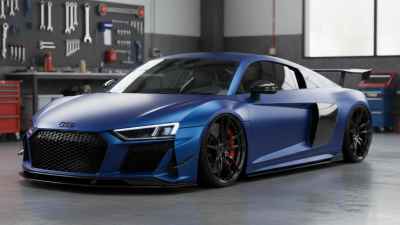
When considering an Audi body kit, understanding its purpose is crucial. A body kit serves several roles, from enhancing aesthetics to improving aerodynamics. By modifying the exterior, a body kit can create a more aggressive stance and elevate your car’s visual appeal. This is especially valuable for enthusiasts seeking a unique look that stands out on the road.
Beyond aesthetics, a well-designed body kit can enhance performance. Improved aerodynamics can lead to better handling and stability at high speeds. An effective kit reduces drag, allowing for a more efficient drive. However, it’s essential to ensure that any modifications align with your driving style and the vehicle's capabilities. Some kits may not perform as expected, leading to disappointment. It's worthwhile to research reviews and seek advice from knowledgeable sources before making decisions.
While the benefits are clear, it’s crucial to weigh the potential downsides. Some body kits may not fit perfectly, requiring adjustments or professional installation. This can lead to additional costs. Moreover, overly aggressive designs might clash with local regulations. It’s important to reflect on how a body kit aligns with your vision for your Audi while remaining practical for everyday use.
How to Choose the Best Audi Body Kit for Your Car? - Understanding the Purpose of an Audi Body Kit
| Dimension |
Description |
Purpose |
| Aerodynamic Design |
Enhances airflow around the vehicle. |
Reduces drag for improved fuel efficiency. |
| Material |
Common materials include fiberglass, carbon fiber, and polyurethane. |
Affects weight, durability, and cost. |
| Fitment |
Compatibility with specific Audi models. |
Ensures proper installation and functionality. |
| Style |
Varieties include sporty, aggressive, and subtle aesthetics. |
Personalizes appearance and reflects owner’s style. |
| Cost |
Price range varies based on material and brand. |
Budgeting considerations for purchase and installation. |
Evaluating Different Types of Audi Body Kits Available
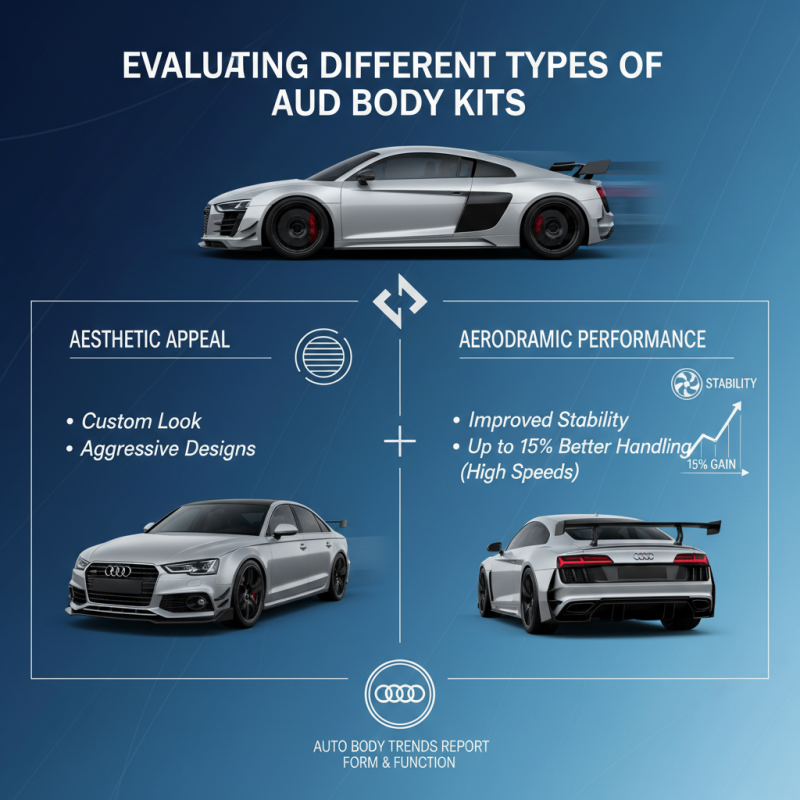
When selecting an Audi body kit, it's essential to understand the different types available. Many options are on the market, each designed to enhance aesthetic appeal and aerodynamics. A report from Auto Body Trends highlights that well-designed body kits can improve vehicle stability by up to 15% at high speeds. This statistic emphasizes the importance of choosing a kit that not only looks good but also enhances performance.
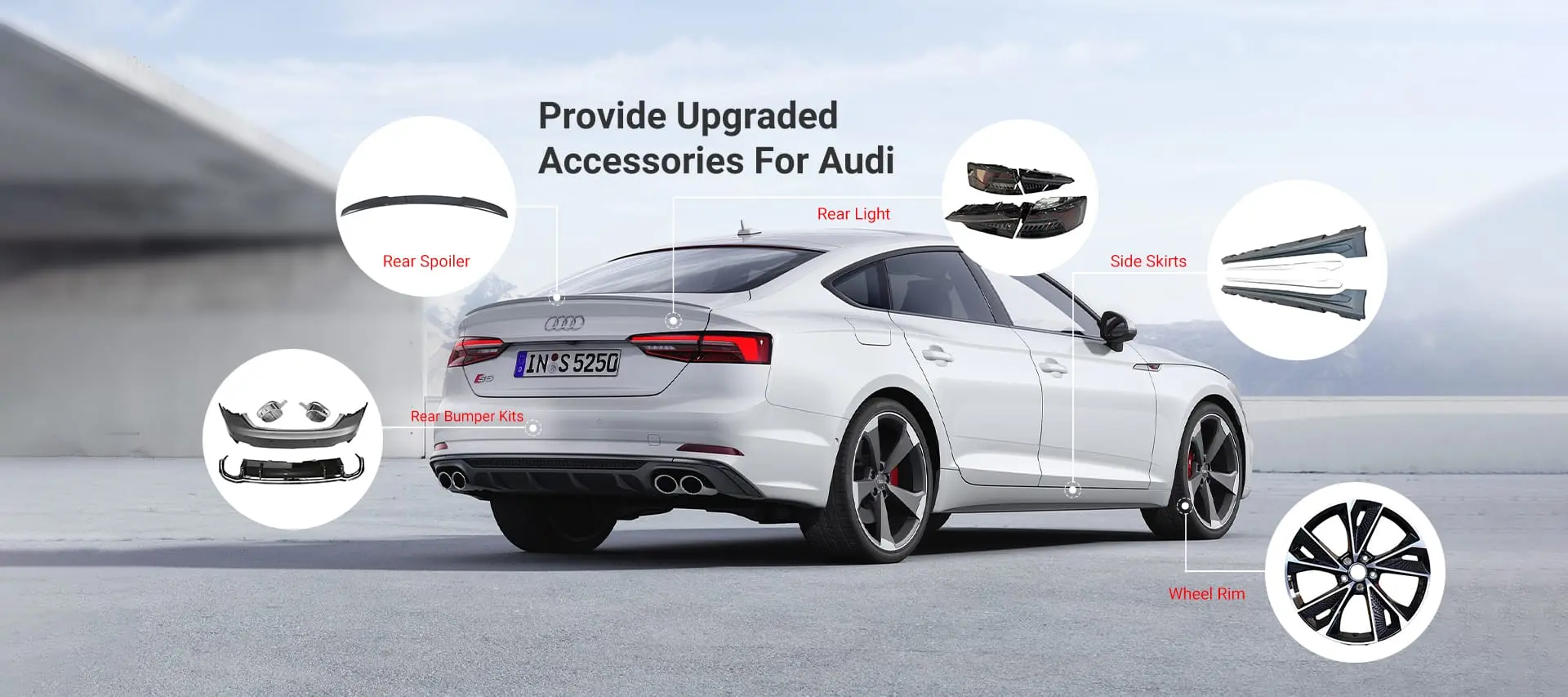
There are three main types of body kits: full kits, lip kits, and customized kits. Full kits include bumpers, side skirts, and rear spoilers, offering a complete transformation. Lip kits focus on subtle enhancements, often improving aerodynamics without a complete overhaul. Customized kits provide bespoke designs tailored to individual preferences, but they can come with higher costs and longer wait times.
Choosing the right body kit is a personal journey. A visually stunning design may not always translate to improved performance. It's crucial to evaluate how a kit aligns with your driving style and intended use for the vehicle. Experts suggest considering the balance between aesthetics and practicality. Not every kit will meet your needs perfectly. Reflecting on design choices can impact long-term satisfaction and vehicle performance.
Key Factors to Consider When Choosing a Body Kit
Choosing the right body kit for your Audi involves several key factors that go beyond just appearance. First, consider the material. Body kits can be made from various materials, including fiberglass, polyurethane, and carbon fiber. Each material has its pros and cons. Fiberglass is affordable but can crack easily. Polyurethane offers durability but might be heavier. Carbon fiber is lightweight and strong but tends to be expensive.
Next, think about the fit and compatibility. A well-fitted body kit enhances the car’s aesthetics and performance. Poorly fitted kits can lead to misalignment and damage. Take the time to research how different kits match your specific Audi model. Look for customer reviews or forums for firsthand experiences. This can save you from making costly mistakes.
Lastly, keep in mind your ultimate goals. Are you aiming for a sporty look or focused on improving performance? Your choice should reflect your vision while ensuring safety standards. Sometimes, what looks great may lack functionality. Don't rush the decision; take the time to weigh your options carefully. The right body kit not only enhances your car but can also impact its value in the long run.
Assessing Compatibility with Your Audi Model
When considering an Audi body kit, compatibility is crucial. Each Audi model has unique dimensions and design language. You want a kit that complements your car's existing features. Start by checking the model year and specifications. Mismatched components can lead to poor fitment and aesthetic issues.
Online research can reveal user experiences with specific kits. Look for forums or social media groups dedicated to Audi enthusiasts. Actual user feedback often highlights compatibility concerns. Many owners share their installation experiences. This can help you identify which kits work well and which don’t.
Don’t overlook the importance of professional advice. Consulting with a trusted automotive specialist can provide insight into fitment nuances. They can guide you toward options that align with your vision. Sometimes, what looks good on paper fails in reality. Take time to consider your choices carefully. Compatibility is not just about looks; it's about enhancing your driving experience safely.
Budgeting for Quality: Cost vs. Value of Body Kits
When considering an Audi body kit, budgeting is critical. The allure of customization often tempts buyers to prioritize aesthetics over quality. Investing in a body kit should align with your goals for performance and style. A high price doesn't always guarantee the best results. Research is essential.
Many options exist at varying price points. A lower-cost kit might seem appealing, but it could lack durability and fit. Poor materials may lead to frequent replacements. This eventual cost can exceed your initial savings. It's wise to think long-term. Quality body kits typically offer better performance and longevity.
Reflect on your needs. Do you want a dramatic change, or are subtle modifications enough? A body kit should complement your vehicle’s design without overwhelming it. Weigh the value of aesthetics against functionality. Prioritize trusted sources and expert reviews to ensure reliable purchases. Craft your choice with care, as first impressions matter.