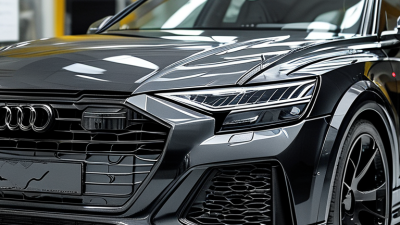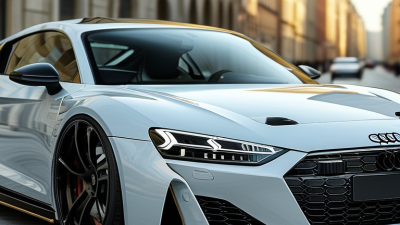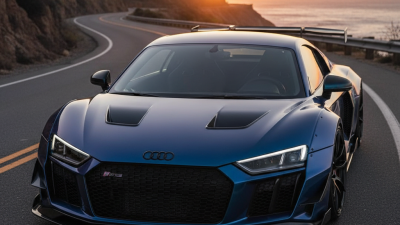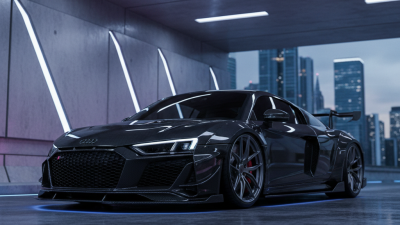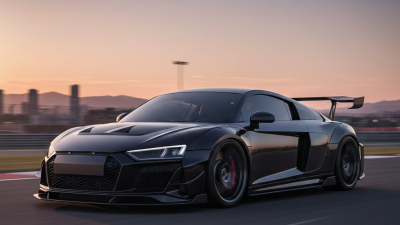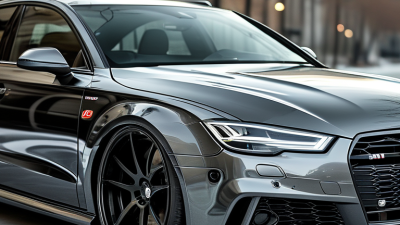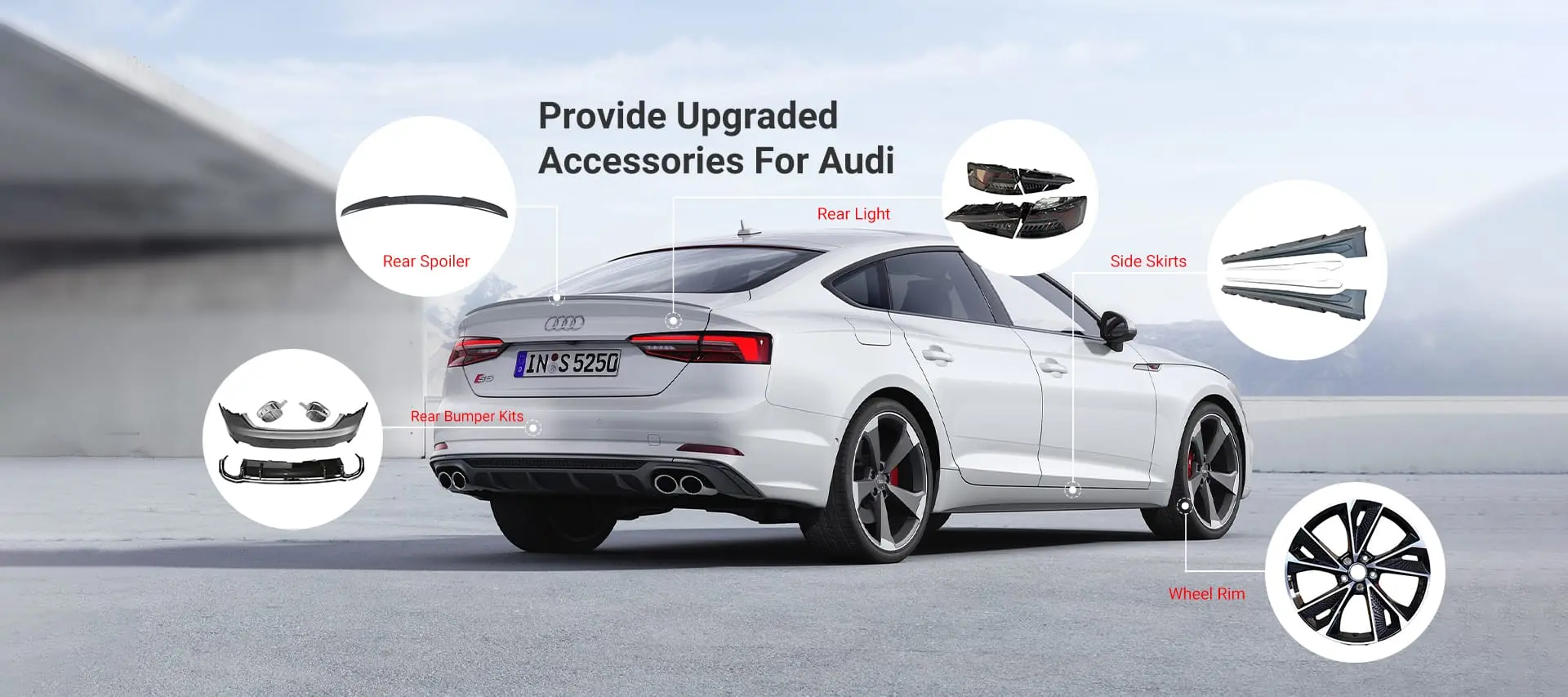
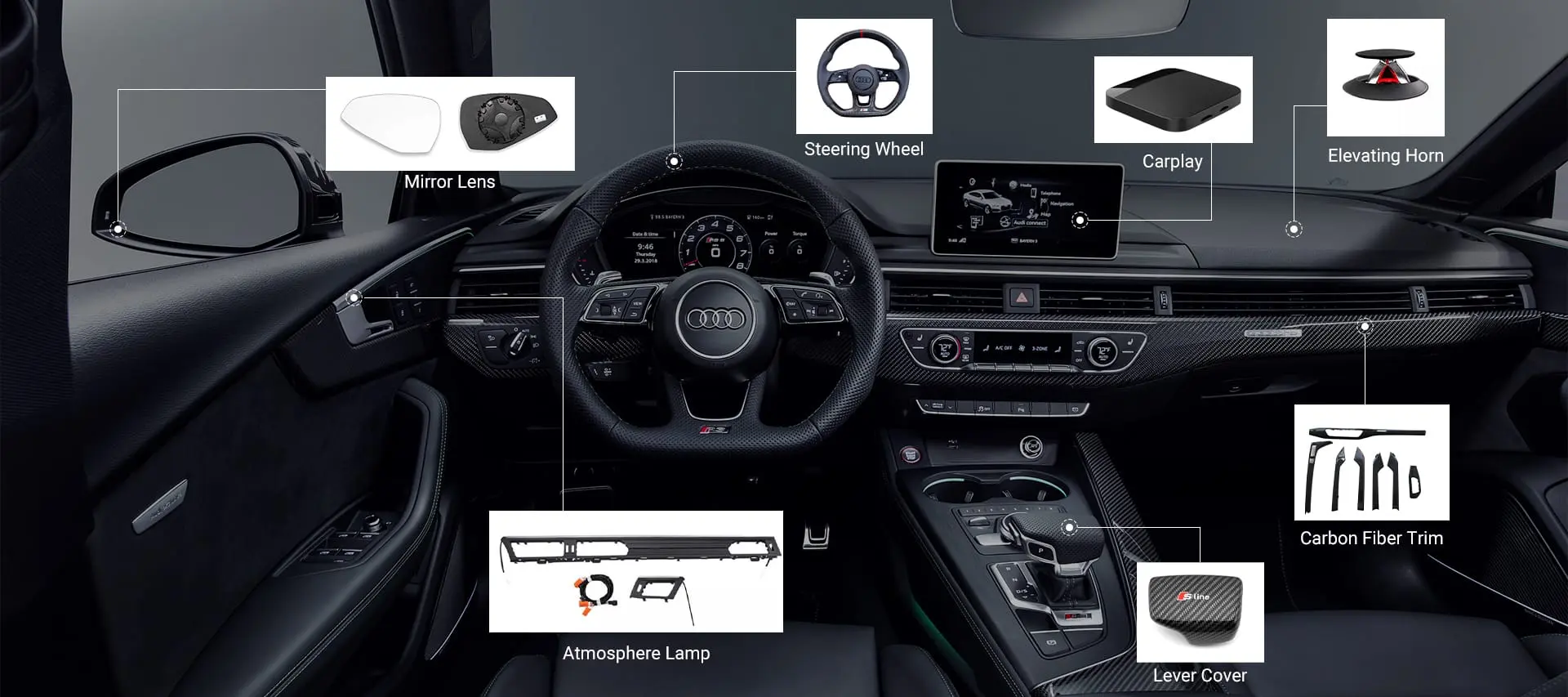

Choosing an Audi body kit in 2026 requires more than comparing dramatic photographs and discounted prices. Global buyers need to examine fitment, material quality, installation methods, and local road regulations. An attractive Audi Bodikit can still create problems if its mounting points, sensor openings, or wheel clearances are incorrect.
This guide introduces the main Audi body kit types available for international customers, including front splitters, rear diffusers, side skirts, spoilers, widebody systems, and complete conversion packages. Each category serves a different purpose. Some improve visual balance, while others support airflow management when engineered correctly. Experienced installers often check panel gaps with a measuring tool before painting. They also test parking sensors and camera systems after installation.
Small details matter.
Reliable purchasing begins with verified product information. Buyers should request precise vehicle-year compatibility, material specifications, installation instructions, and clear warranty terms. Professional suppliers should explain whether a kit uses ABS plastic, polyurethane, fiberglass, or carbon fiber. They should also identify required modifications, shipping protection, and replacement-part support. A certified body shop can confirm whether the kit suits the vehicle’s original structure and electronic systems.
No guide is perfect. Even carefully listed products may reveal fitment surprises during installation. Production changes, regional specifications, and previous repairs can affect results. That is why this overview treats each kit type as a practical decision, not a guaranteed upgrade. With realistic expectations and documented checks, global buyers can select an Audi Bodikit that looks refined, fits securely, and remains dependable on the road.
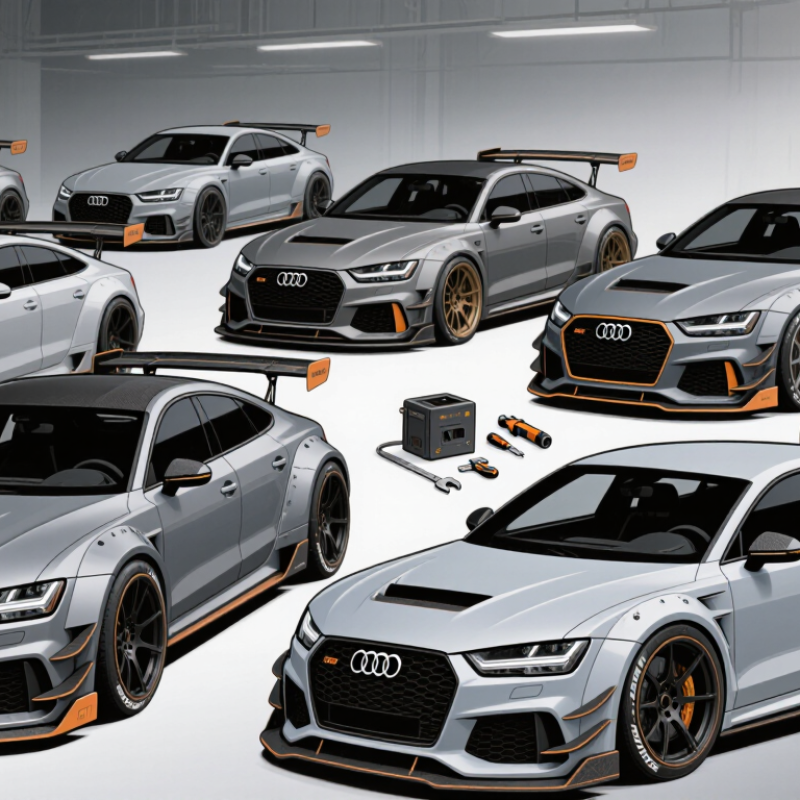
An Audi body kit is a group of exterior parts designed to change a vehicle’s appearance, dimensions, or airflow. It may replace original panels or add overlays to existing surfaces. Buyers often choose kits for a sharper profile, improved visual balance, or a more personal driving experience.
The main components include a front bumper, front lip, side skirts, rear bumper, and rear diffuser. Some packages also include fender extensions, grilles, bonnet vents, spoilers, or replacement panels. Each part has a specific role.
A front lip can visually lower the car, while side skirts create a smoother line between the wheels. A rear diffuser may guide airflow, but its real performance depends on its shape, height, and installation quality.
Material choice matters. Fibreglass is usually light and affordable, but it can crack after a hard impact. Polyurethane offers more flexibility, while carbon-fibre composites can reduce weight at a higher cost. In my fitting experience, careful measurement prevents many problems. Check wheel clearance, panel gaps, mounting points, and sensor locations before ordering. Small errors become expensive later.
Perfect fitment is not guaranteed. Production tolerances differ. A qualified installer should test-fit every panel before painting. Buyers should also confirm local road-use requirements and lighting visibility. Style matters, but safe attachment matters more.
Top Audi Body Kit Types and Their Distinctive Features
Front lip kits offer the simplest visual change. They extend the lower bumper edge and sharpen the car’s front profile. Carbon fiber looks technical, while polyurethane tolerates small parking impacts better. Installation usually needs accurate measurements, clean mounting points, and patient alignment.
Widebody kits create a stronger road presence. Their flared fenders allow wider wheels and more aggressive offsets. However, extra width can affect tire clearance, steering movement, and local inspection requirements. Experienced installers test suspension travel before final drilling. A few millimeters matter. Some designs look impressive in photos but feel impractical on narrow streets.
Side skirt kits connect the front and rear styling lines. They can make the body appear lower without changing suspension height. Rear diffuser kits add visual depth around the exhaust area and may guide airflow beneath the bumper. Spoiler kits range from subtle deck extensions to larger track-inspired wings. Each type changes the vehicle’s balance of appearance, weight, and practicality. In workshop checks, fiberglass often demands more surface preparation than expected. That is a small weakness, but ignoring it can produce uneven gaps and paint cracks. Proper material selection, certified lighting clearance, secure fasteners, and professional road testing remain essential for a dependable result.
| Body Kit Type | Typical Components | Distinctive Design Features | Common Materials | Installation Level | Aerodynamic Effect | Best Suited For |
|---|---|---|---|---|---|---|
| Front Lip Kit | Front splitter or lip, mounting hardware, optional side extensions | Lower front profile, sharper bumper appearance, subtle increase in visual width | Polyurethane, ABS plastic, fiberglass, or carbon-fiber composite | Low to moderate; drilling may be required on some designs | Can improve airflow management at the front when correctly fitted; ground clearance may be reduced | Daily drivers seeking a restrained appearance upgrade |
| Side Skirt Kit | Left and right side skirts, brackets, fasteners, optional side extensions | Visually lowers the side profile and creates a smoother transition between the axles | ABS plastic, polyurethane, fiberglass, or carbon-fiber composite | Moderate; precise alignment is important for door and sill clearance | May help reduce airflow turbulence along the lower body | Owners combining a front lip with a more complete lower-body design |
| Rear Diffuser Kit | Rear diffuser panel, fins, trim pieces, mounting hardware | Adds a technical lower-rear appearance with vertical fins or sculpted channels | ABS plastic, polyurethane, fiberglass, or carbon-fiber composite | Moderate; exhaust layout and bumper configuration must be checked | Designed to influence underbody airflow, although performance depends on the complete vehicle setup | Performance-focused street builds and vehicles with exposed exhaust outlets |
| Rear Spoiler or Trunk Lip | Trunk lip, roof spoiler, hatch spoiler, or rear wing with supports | Adds rear-edge definition and can range from nearly flush to motorsport-inspired | ABS plastic, polyurethane, fiberglass, or carbon-fiber composite | Low for adhesive-mounted lips; moderate to high for drilled wings | May increase rear downforce at speed when engineered and installed correctly | Buyers wanting a focused rear-end styling change without a full kit |
| Full Aero Kit | Front bumper or lip, side skirts, rear bumper or diffuser, spoiler, mounting parts | Coordinated front-to-rear styling with matching surfaces, vents, splitters, and extensions | ABS plastic, polyurethane, fiberglass, or mixed composite construction | High; professional fitting, painting, and panel alignment are usually recommended | Offers the most complete airflow strategy, but results depend on design validation and installation quality | Global buyers planning a unified exterior transformation |
| Wide-Body Kit | Front and rear fender extensions, over-fenders, side skirts, bumper extensions, hardware | Substantially wider stance, pronounced wheel arches, and increased visual presence | Fiberglass, reinforced plastic, polyurethane, or carbon-fiber composite | High; body modification, wheel-offset planning, and careful sealing may be necessary | Can accommodate wider wheels and tires; aerodynamic performance varies by flare and extension design | Show builds, custom projects, and owners prioritizing a wider stance |
| OEM-Style Replacement Kit | Replacement bumpers, grilles, trims, lips, or matching lower sections | Factory-like proportions, restrained surface changes, and close integration with existing body lines | Injection-molded plastic, ABS plastic, polyurethane, or painted composite | Low to moderate when designed for direct replacement; trim compatibility must be verified | Usually limited aerodynamic change, with emphasis on fit and appearance | Daily-use vehicles and buyers who prefer a near-factory finish |
| Carbon-Fiber Accent Kit | Front lip, mirror covers, side extensions, diffuser trim, spoiler, or canards | Visible woven texture, lightweight appearance, and high-contrast detailing | Wet-lay carbon fiber, pre-preg carbon fiber, or carbon-look composite | Low to moderate depending on the component and mounting method | Weight savings may be possible, but aerodynamic benefits depend on the component shape | Premium styling projects and buyers seeking lightweight visual accents |
Note: Vehicle compatibility depends on model generation, body style, trim level, parking sensors, camera systems, exhaust layout, wheel fitment, and local road-clearance requirements.
Choosing a body kit starts with material, not appearance. ABS plastic offers consistent dimensions and practical impact resistance for daily driving. Polyurethane flexes better around parking curbs, although its finish may need more preparation. Fiberglass can create sharp custom shapes, but it may crack under repeated vibration. Carbon fiber looks distinctive and stays light, yet its cost and repair process require careful planning.
Design should match the vehicle’s real use. A deep front splitter may improve visual balance, but it can scrape on ramps and uneven roads. Wider side skirts can protect lower panels, though they sometimes reduce ground clearance. Experienced installers measure wheel offset, tire width, bumper gaps, and exhaust placement before drilling. Small differences matter.
Compatibility is often underestimated. Buyers should confirm the exact production year, body style, parking sensor layout, camera position, and headlight washers. A kit can fit the bumper but block sensors or create unstable airflow. I have seen attractive panels returned because mounting points were assumed, not checked. That mistake is easy to repeat. Ask for templates, installation hardware, material thickness, and testing records. Local road requirements also deserve attention, especially for lighting, plate visibility, and exterior projections. Perfect fit claims still need verification.
Body kits in 2026 are moving beyond appearance. Global buyers now compare fitment, sensor clearance, and installation support. Common options include front lips, side skirts, rear diffusers, wide-body panels, and complete bumper conversions. Each type carries a different mismatch risk. A front lip may suit several trims, while a bumper depends on grille shape, parking sensors, headlamp washers, and camera mounts. Fitment is never universal.
Regional differences matter. European-market cars may use different plates, lighting systems, or emissions-related layouts than vehicles sold elsewhere. North American versions can have larger bumper reinforcements. Right-hand-drive markets may require different liner shapes, exhaust routing, or steering-clearance checks. Electric versions also need careful attention to airflow and underbody protection. Measure twice.
Reliable suppliers should provide exact model years, trim references, material specifications, and installation photos. ABS plastic, polyurethane, and composite panels behave differently during fitting. I have seen catalog listings appear compatible, yet leave uneven gaps near the wheel arch. That small error can become obvious under bright workshop lighting. Buyers should confirm wheel size, factory sensors, body style, and local road rules before ordering. Even experienced installers can miss a hidden bracket difference. A precise fitment sheet is useful, but physical inspection remains more trustworthy.
Choosing the right Audi body kit requires more than comparing photographs and prices. Fit matters most. Check the exact model year, body style, trim level, and parking sensor positions. A kit that looks correct online may leave uneven gaps around the headlights or doors.
Material affects both appearance and ownership. Fiberglass can offer sharp shapes, but it may crack under repeated impacts. ABS plastic usually provides more flexibility and consistent panel alignment. Carbon-style finishes can look impressive, yet surface quality varies widely. Ask for close-up images, thickness details, mounting hardware, and installation instructions. Do not rely on vague claims.
I once inspected a kit that seemed affordable until professional fitting revealed extra sanding and custom brackets. The final cost changed completely. That mistake still influences my checks. Request measured dimensions and confirm whether painting, drilling, or trimming is required. A reputable installer should inspect the vehicle before ordering. They should also explain how the kit affects ground clearance, wheel movement, sensors, and airflow.
Consider your actual driving conditions. Rough roads demand stronger mounting points and sensible bumper clearance. Track-inspired styling may be unsuitable for daily use. Verify local requirements for lighting, plate visibility, pedestrian safety, and exterior projections. Keep invoices, product specifications, and fitting records. They help resolve disputes and support future maintenance. Some details remain easy to overlook. Door alignment is one.
How to Compare and Select the Right Audi Body Kit
The chart compares common body kit categories by the typical number of exterior vehicle sections they modify. Front lips and rear diffusers provide focused styling changes, while full aero and widebody kits require broader compatibility checks, more installation work, and closer attention to wheel, tire, and clearance requirements.