How to Choose the Best Front Bumper for Your Audi?
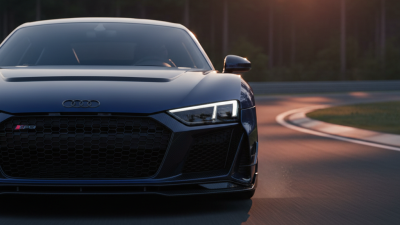
Choosing the right front bumper for your Audi is crucial. This decision impacts both aesthetics and performance. According to automotive expert Mark Thompson, "A well-designed Front Bumper Audi enhances safety and gives your vehicle a unique look."
When considering a front bumper, it's important to think beyond just appearance. The right choice improves aerodynamics and protects your car. Some bumpers provide additional features, such as better airflow for engine cooling. Others impact how your Audi handles in various conditions.
However, not every option will fit your needs. Many Audi owners overlook crucial details, leading to less-than-ideal choices. Reflect on what you prioritize—style, performance, or functionality. Understanding these aspects helps you make a better-informed decision. Remember, the ideal front bumper truly reflects your taste and driving style.
Understanding Front Bumper Types for Audi Vehicles
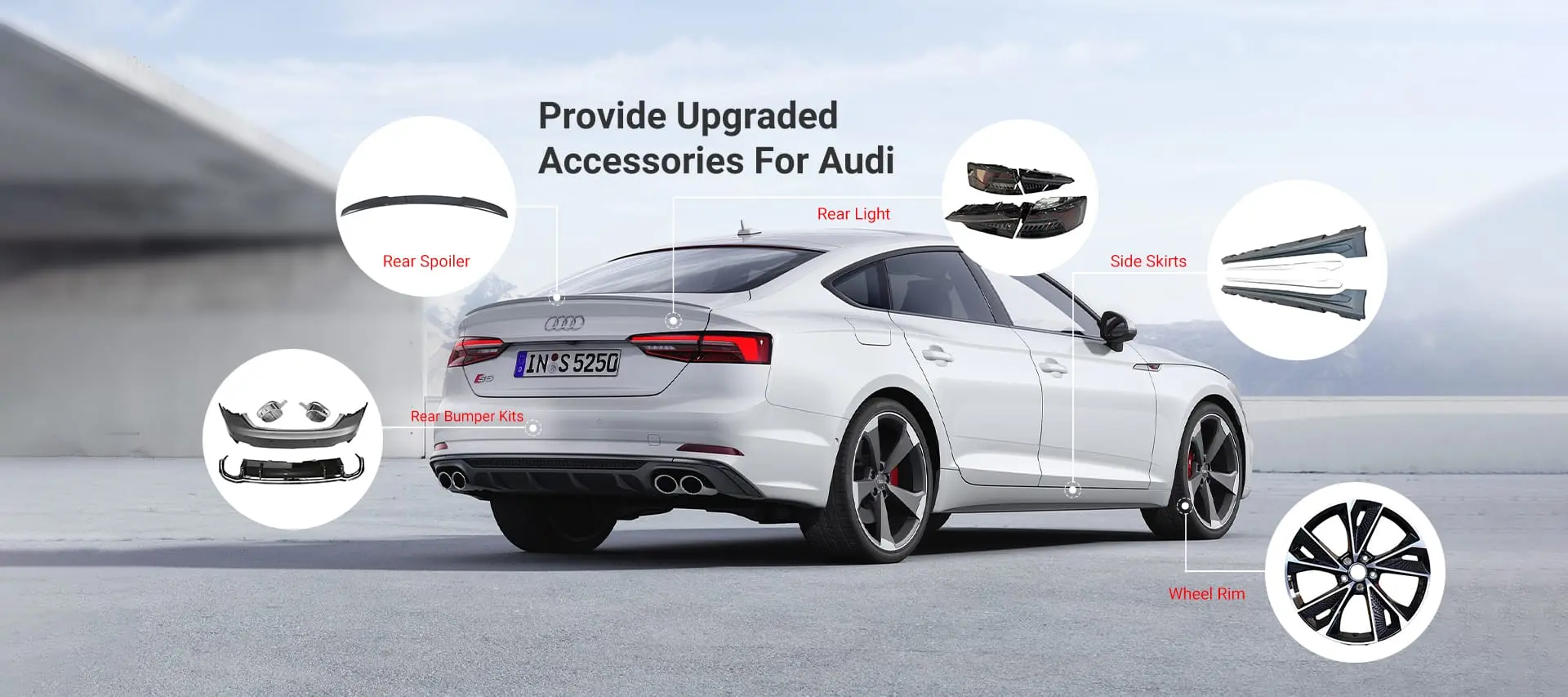
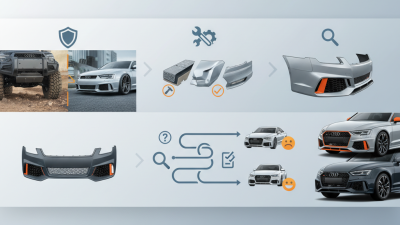
When selecting a front bumper for your Audi, knowing the types available can be critical. The main styles include OEM (Original Equipment Manufacturer) and aftermarket bumpers. OEM bumpers fit seamlessly but may lack unique styling. Aftermarket options often provide a broader range of designs and materials, allowing for customization.
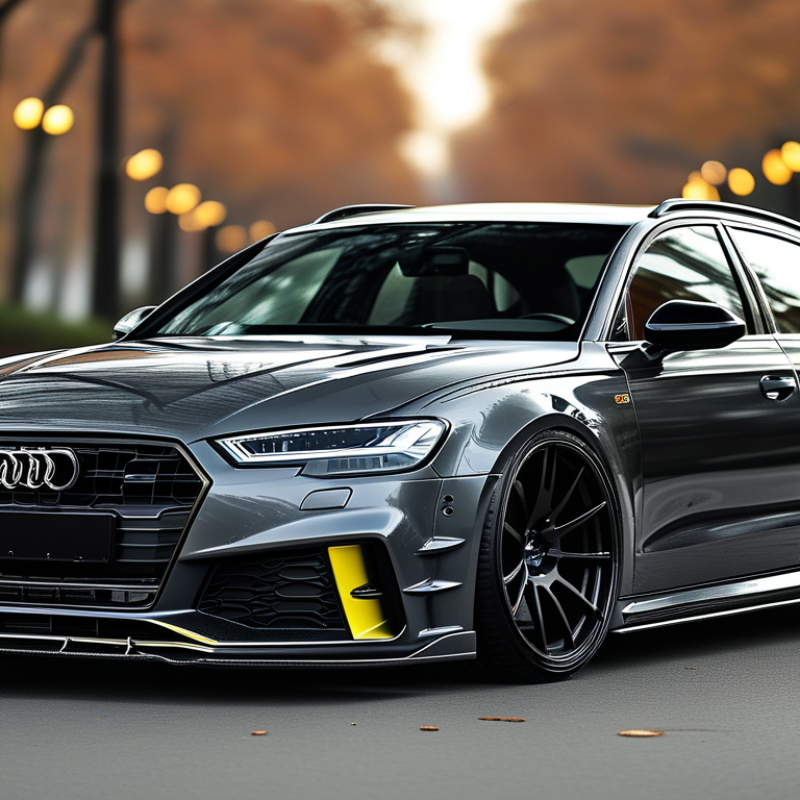
Tip: Check your vehicle's model year before making a choice. Not all bumpers fit every Audi model, even within the same series. Is visual appeal your primary concern? Aftermarket bumpers might offer more aggressive looks, enhancing your Audi's bold stance.
While durability is key, the weight of the bumper matters too. Heavier bumpers can impact fuel efficiency. Ensure that the chosen bumper matches your driving style. If you're an enthusiast, a lightweight option may deliver better performance. Be mindful of the installation process, as it can vary by design.
Tip: Consult a professional if unsure. Bumper installation may seem easy, but errors can be costly. Research the materials used in aftermarket bumpers. Quality varies quite a bit, and some might not stand the test of time. Consider both aesthetics and practicality for the best selection.
Evaluating Material Choices: Steel vs. Plastic for Durability
When choosing a front bumper for your Audi, material choice is crucial.
Steel and plastic offer different advantages and drawbacks.
Steel bumpers are known for their strength and durability. They provide excellent protection, especially during impacts.
However, they tend to be heavier, affecting fuel efficiency and handling.
On the other hand, plastic bumpers are lighter and can improve maneuverability. They often come in various designs and colors, allowing for customization.
However, plastic can be less durable. It may crack or warp over time, particularly in extreme weather conditions.
Finding the perfect balance between weight and resilience is vital.
Consider how you use your Audi. Do you drive off-road or in urban areas? Your driving habits influence the best material choice.
While steel offers robust protection, it can make your vehicle cumbersome. Plastic provides style but might compromise safety in some scenarios.
Reflecting on these factors can lead you to a better decision for your front bumper needs.
Considering Aerodynamics and Weight for Performance Enhancement
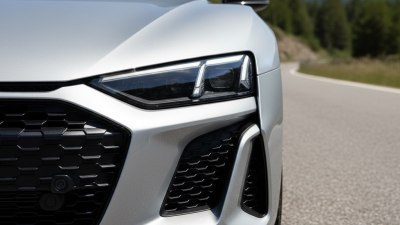
When considering a front bumper for your Audi, aerodynamics plays a critical role. A report from the American Institute of Aeronautics and Astronautics highlights that well-designed bumpers can reduce drag by as much as 20%. This reduction leads to improved fuel efficiency and enhanced stability at high speeds. The right bumper can direct airflow more efficiently around the vehicle, which is crucial for performance enthusiasts.
Weight is another vital factor. Lightweight materials, such as carbon fiber or reinforced plastics, can significantly enhance your vehicle's agility. According to a study by the Society of Automotive Engineers, reducing bumper weight by 10% can lead to a 1-2% improvement in acceleration. These small changes can make a noticeable difference in everyday driving.
However, the trade-off between durability and weight must be considered. While lighter bumpers improve performance, they may not withstand impacts as effectively as heavier alternatives. Maintaining the balance between these factors is essential for optimal performance. An informed choice will lead to enhanced driving experience while ensuring safety. Evaluating your needs against the specifications is crucial.
Assessing Compatibility with Audi Models and Years
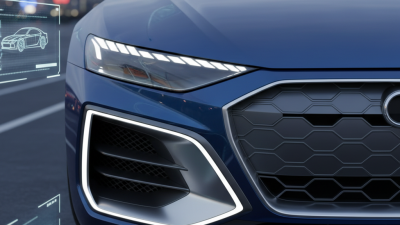
When choosing a front bumper for your Audi, compatibility is crucial. Different Audi models and years have unique specifications. For instance, the bumper design varies significantly from one model year to another. A bumper from an Audi A4 might not fit an A6. It's essential to research your vehicle's model and year thoroughly.
Consider the mounting points and dimensions. They dictate how well the bumper fits. Incorrect measurements can lead to gaps or misalignment. Look for detailed specifications that highlight these dimensions. It’s also wise to consult forums or communities dedicated to Audi enthusiasts. Their experiences can provide valuable insights.
Be mindful of the potential for mismatches. Even slight variations in design can prevent optimal fitting. Use online resources to check fitment guides. Explore the options available, but don’t rush the selection process. Incompatible bumpers can lead to installation headaches and costly corrections. Taking the time to ensure proper compatibility can save you from future frustrations.
How to Choose the Best Front Bumper for Your Audi?
| Audi Model |
Model Year |
Bumper Type |
Material |
Compatibility Notes |
| Audi A3 |
2015 |
Sport |
Polypropylene |
Requires additional mounting hardware |
| Audi A4 |
2020 |
Standard |
ABS Plastic |
Direct fit replacement |
| Audi Q5 |
2018 |
Off-Road |
Steel |
Weight upgrades may affect fuel efficiency |
| Audi A6 |
2019 |
Luxury |
Carbon Fiber |
Improves aerodynamics and aesthetics |
| Audi Q7 |
2021 |
Standard |
Aluminum |
Lightweight design for improved efficiency |
Researching Aftermarket vs. OEM Front Bumpers for Value
When choosing the right front bumper for your Audi, it’s essential to evaluate both aftermarket and OEM options.
Aftermarket bumpers may offer a variety of styles. They often come at a lower price point, attracting many car enthusiasts.
However, the lower cost can sometimes mean compromised quality. Researching materials and warranty offers is important to avoid future issues.
OEM bumpers typically provide a perfect fit and maintain the vehicle's original aesthetic.
They are made from quality materials, ensuring longevity. However, the price tag is often much higher.
It is crucial to weigh the benefits against the cost. Some drivers may feel that the premium for OEM is worth the peace of mind.
Others might question if they’re overpaying for the same functionality that an aftermarket piece could provide.
Consider your driving habits and how you use your vehicle. If you drive frequently in urban areas, an OEM bumper might withstand minor impacts better than a cheaper option.
Yet, if you enjoy customizing your car, aftermarket parts can give you the unique look you desire.
Reflect on what truly matters to you in terms of aesthetic versus functionality.
Each choice has its pros and cons, and understanding your priorities will guide you in making the right decision.