What is an Audi Bumper and How Does it Impact Vehicle Performance?
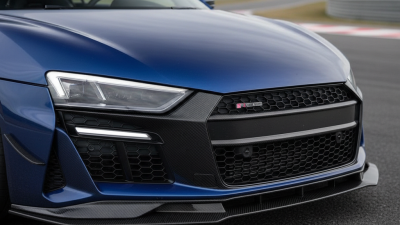
The Audi bumper is more than a protective component; it plays a vital role in overall vehicle performance. Designed with precision, it absorbs impacts and helps maintain the car's structural integrity. Car enthusiasts often overlook the importance of the bumper, assuming its sole purpose is to shield against minor collisions. However, this misconception can lead to underappreciation of its engineering.
A well-crafted Audi bumper enhances aerodynamics. This improvement can lead to better fuel efficiency. Additionally, the materials used in this component contribute to a lighter vehicle, which is crucial for handling and acceleration. The integration of modern technology, like sensors and cameras, also rests on the bumper's structure.
However, not all Audi bumpers are created equal. Variations in designs among different models can impact performance differently. Understanding this can prompt Audi owners to consider specific upgrades. Reflecting on the bumper’s role may illuminate how vital it is to choose the right one for optimal performance.

What is an Audi Bumper?
An Audi bumper serves as a protective feature at the front and rear of the vehicle. It absorbs impact during minor collisions, reducing damage to vital components. This element is often made from lightweight materials, allowing for easier handling and better fuel efficiency.
The design of the bumper also influences the vehicle’s aerodynamics. A streamlined shape can minimize drag, enhancing overall performance. However, not all bumpers achieve this balance. Some may compromise strength for style, leaving the vehicle vulnerable.
Additionally, the bumper's integration with advanced safety systems is crucial. Features like sensors and cameras rely on proper alignment. Misalignments can lead to operational failures. Regular checks are essential for maintaining functionality. With technology evolving, the intersection of safety and aesthetics continues to challenge designers.
What is an Audi Bumper and How Does it Impact Vehicle Performance?
| Feature |
Description |
Impact on Performance |
| Material |
Typically made from plastic, fiberglass or aluminum |
Affects weight distribution and durability |
| Aerodynamic Design |
Designed to reduce drag |
Improves fuel efficiency and handling |
| Crash Safety |
Absorbs impact during collisions |
Increases passenger safety |
| Weight |
Weight can vary by design and material |
Affects acceleration and braking distance |
| Aesthetic Value |
Enhances overall vehicle appearance |
Influences consumer appeal |
The Role of Bumpers in Vehicle Safety and Protection
Bumpers play a critical role in vehicle safety and protection. They absorb impact energy during collisions, reducing the risk of injury to passengers. According to the Insurance Institute for Highway Safety (IIHS), well-designed bumpers can decrease repair costs by over 50% in minor accidents. A vehicle's bumper significantly contributes to its overall safety rating.
The design of bumpers has evolved to enhance protection. Modern bumpers include materials such as high-strength steel and reinforced plastics. These materials improve resilience in low-speed impacts. However, manufacturers face challenges in balancing weight with safety features. Heavier bumpers might offer better protection but can negatively affect fuel efficiency.
Tips for choosing safer vehicles include checking the bumper rating in safety assessments. Look for vehicles with advanced bumper systems that meet or exceed regulations. Understanding the materials used can provide insights into overall durability. Always remember that a well-designed bumper can be beneficial, but it is not a complete solution for vehicle safety. Consider comprehensive safety measures for optimal protection.
Impact of Bumper Design on Vehicle Performance
Impact of Audi Bumpers on Aerodynamics and Performance
Bumpers play a crucial role in vehicle performance, influencing both aerodynamics and safety. An effective bumper design can reduce drag, improving fuel efficiency. It channels airflow around the vehicle, enhancing stability at high speeds. When tailored for specific models, it helps maintain a sleek profile.
However, not all bumper designs achieve optimal results. Some may create turbulence, negatively impacting aerodynamics. It’s essential to balance aesthetics and function. For instance, a stylish bumper might look great, but if it disrupts airflow, performance suffers.
The materials used in bumper construction also matter. Lightweight materials can improve handling but might compromise durability. Advanced designs can mitigate this, yet they're often more expensive. Manufacturers must consider cost, safety, and efficiency as they create bumper designs.
Materials Used in Audi Bumper Construction
The construction of a vehicle's bumper significantly impacts its overall performance and safety. Audi bumpers utilize a mix of materials, including thermoplastics and reinforced composites. These materials enhance durability while ensuring lightweight construction. In recent years, innovations have introduced advanced polymer blends, allowing for improved impact resistance without adding extra weight.
A notable feature of modern Audi bumpers is their energy absorption capability. The choice of materials plays a crucial role here. Thermoplastics can deform upon impact, absorbing shock more effectively. Yet, it’s important to reflect on potential downsides. While durable, certain materials can crack under extreme conditions. This can lead to unexpected repair costs and safety concerns.
Additionally, ecological awareness has prompted the use of recycled materials in bumper production. This shift aims to reduce environmental impact. However, implementing such materials often raises questions about longevity and performance. Companies face a balancing act between sustainability and the traditional performance benchmarks expected by drivers. As technology evolves, materials will continue to change, and the industry must regularly assess their choices.
Maintenance and Replacement of Audi Bumpers
Maintaining an Audi bumper is crucial for overall vehicle performance. Bumpers absorb impact from minor collisions. They protect vital components and ensure driver safety. A well-maintained bumper can prevent extensive damage and reduce repair costs.
Regular inspections can identify cracks or dents early. Small issues can escalate if ignored. Replacing a damaged bumper is essential. It restores both aesthetics and functionality. A new bumper can improve airflow, enhancing engine performance. Yet, some might overlook the importance of proper alignment during installation.
Drivers should consider the materials used in bumpers. Some may choose cheaper options that sacrifice quality. However, investing in durable materials can save money long-term. Understanding the role of the bumper can lead to better decision-making. Neglecting maintenance may result in costly repairs down the line. Every vehicle owner should reflect on how maintenance affects performance.