



China Best Audi Accessories Suppliers for Global Buyers?
Finding dependable China Audi Accessories suppliers can simplify sourcing, but price alone rarely indicates quality. Global buyers need more than attractive catalog images. They need verified manufacturing experience, stable communication, and products that match specific Audi models, production years, and regional requirements.
This guide examines how professional buyers can evaluate Chinese suppliers with greater confidence. It considers factory capability, material selection, product testing, packaging, and export experience. Practical details matter. A supplier should clearly identify fitment information, connector types, dimensions, finishes, and installation requirements. For electronic accessories, buyers should request testing records, compatibility checks, and clear warranty terms. For interior or exterior parts, sample inspection can reveal weak clips, uneven stitching, poor coating, or inaccurate colors. Small defects become expensive problems after shipment.
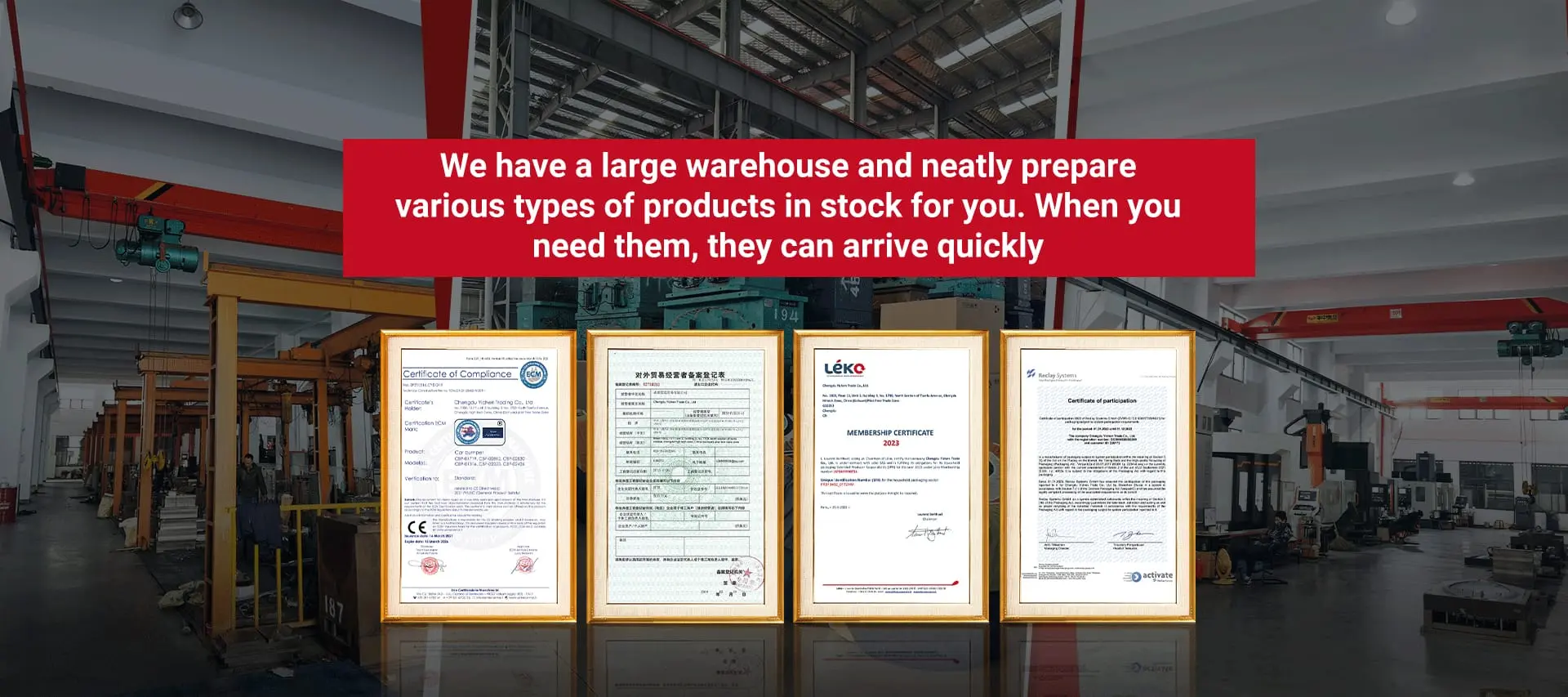
Reliable suppliers should also provide traceable business information and consistent documentation. Buyers may review business licenses, quality systems, production photos, sample reports, and customer references. Independent inspections can add useful protection before mass production. However, even careful checks have limits. A polished factory visit does not guarantee every shipment will remain consistent. That is worth remembering. Written specifications, approved samples, and defined acceptance standards reduce uncertainty. They also support fair communication when revisions are needed.
The following overview highlights China-based Audi Accessories suppliers suitable for international procurement. It focuses on practical sourcing decisions rather than unverified rankings. Readers can compare product range, customization ability, quality control, minimum order quantities, lead times, and after-sales support. Regional compliance remains essential. Buyers should confirm applicable safety, labeling, import, and environmental requirements before placing orders. Careful sourcing takes time. It can prevent larger costs later.

Definition and Scope of Audi Accessories for Global Buyers
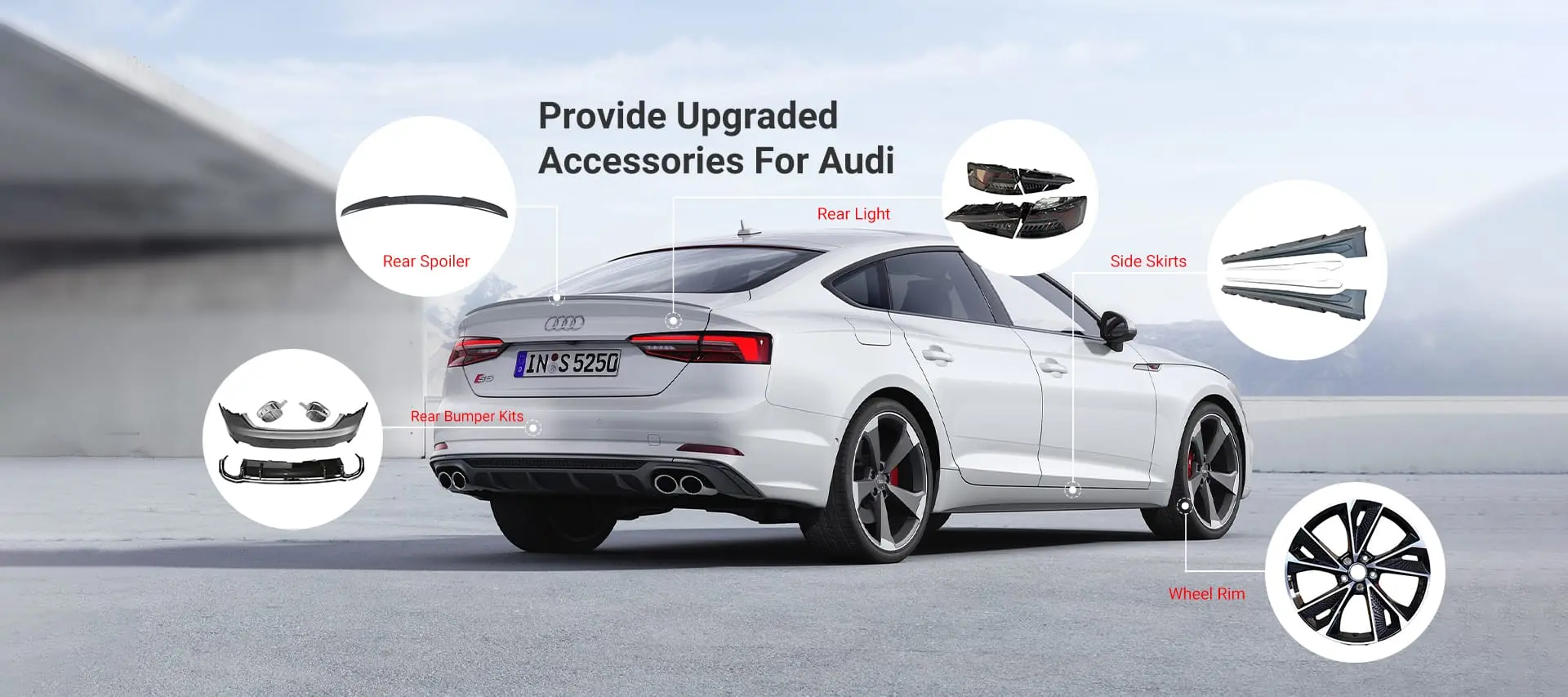
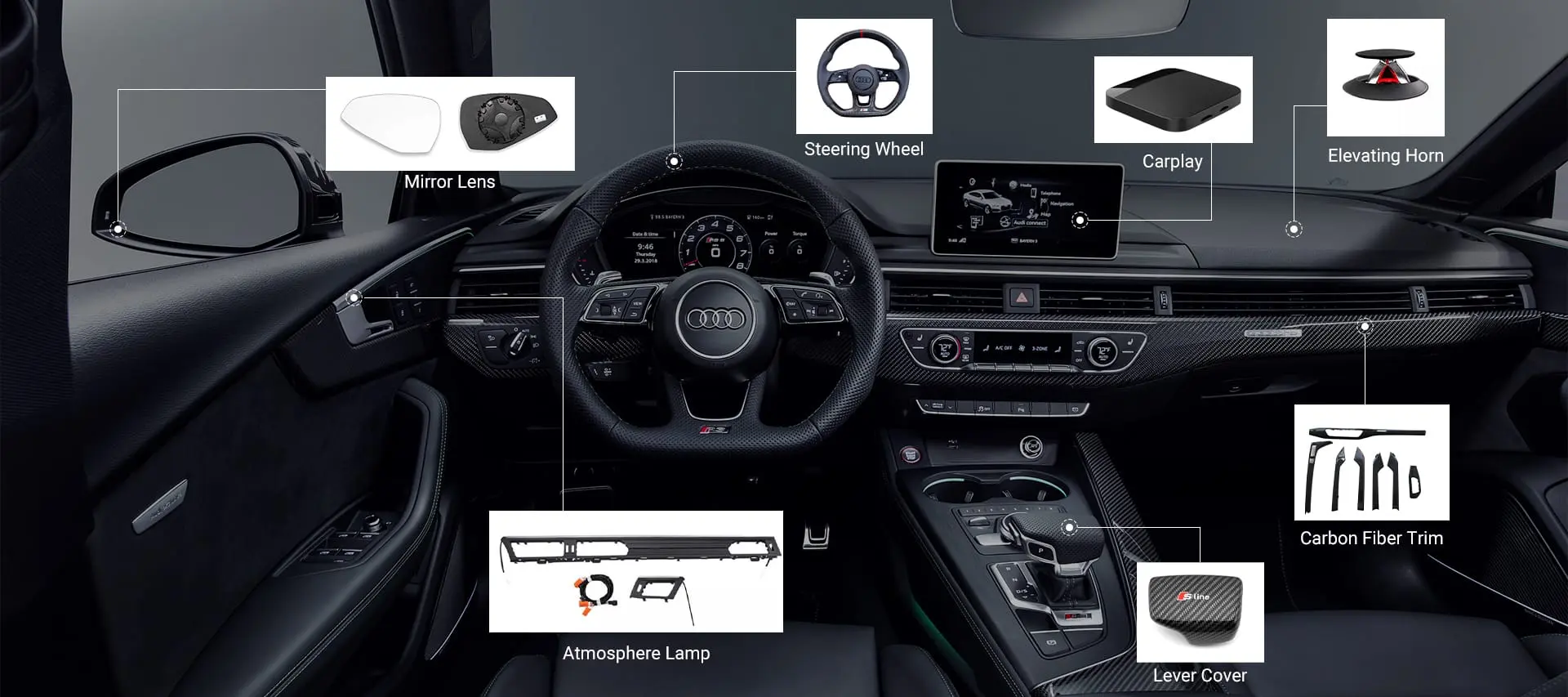
Audi accessories are aftermarket products designed to improve a vehicle’s appearance, protection, comfort, or function. Their scope includes floor liners, roof systems, lighting, body trim, storage tools, digital displays, charging equipment, and replacement interior parts. The boundary is not perfectly clean. Some products are accessories, while others are safety-related components requiring stricter verification.
For global buyers, fitment means more than matching a vehicle name. It includes model year, body style, engine version, left- or right-hand drive, connector type, voltage, and installation space. S&P Global Mobility reported that the average U.S. vehicle age reached about 12.6 years in 2024. This supports steady demand for practical upgrades and replacement items. A 2024 automotive aftermarket report by Mordor Intelligence also estimated the accessories market at more than 500 billion U.S. dollars. Definitions vary between reports, so buyers should inspect the methodology before comparing figures. That assumption often fails.
Tips: Request a fitment chart, material specification, test evidence, packaging photos, and installation guidance. Check whether electronic accessories require software matching or professional installation. Ask suppliers about batch consistency, warranty handling, and export documentation. Small details matter. Test one sample before placing a large order. A supplier may offer an attractive price, yet inconsistent connectors or weak clips can create costly returns.
China Best Audi Accessories Suppliers for Global Buyers? - Definition and Scope of Audi Accessories for Global Buyers
| Accessory Scope | Typical Products | Main Function | Common Materials | Fitment Information Required | Global Buyer Considerations |
|---|---|---|---|---|---|
| Interior Protection | Floor mats, cargo liners, seat covers, dashboard covers, door-sill protectors | Protects cabin surfaces from dirt, moisture, abrasion, and spills | TPV, TPE, PVC, rubber, polyester, artificial leather, carpet fiber | Model, body style, left- or right-hand drive, production year, row configuration | Odor control, anti-slip performance, waterproofing, easy cleaning, packaging size |
| Exterior Protection | Mud flaps, bumper protectors, door-edge guards, mirror covers, protective films | Reduces damage from stones, road debris, parking contact, and weather exposure | ABS, polyurethane, TPU, polyethylene, stainless steel, aluminum | Exact body shape, bumper design, sensor locations, mounting points, paint finish | UV resistance, temperature range, adhesive quality, installation method, surface compatibility |
| Cargo & Transport | Trunk trays, cargo nets, organizers, roof racks, roof boxes, bicycle carriers | Improves luggage management and supports recreational or commercial transport | High-density polyethylene, aluminum, steel, nylon webbing, ABS | Roof type, approved mounting points, dynamic roof-load limit, tow-bar or hitch compatibility | Load rating, locking design, wind noise, storage dimensions, transport regulations |
| Electronic Accessories | Dash cameras, parking sensors, wireless chargers, USB adapters, tire-pressure monitors | Adds recording, charging, monitoring, and driver-convenience functions | ABS, polycarbonate, silicone, copper wiring, electronic components | Power voltage, connector type, available space, vehicle communication interface, sensor position | Electrical safety, electromagnetic compatibility, data privacy, operating temperature, local radio rules |
| Lighting Accessories | Interior LED bulbs, trunk lights, license-plate lamps, warning lights | Improves visibility and replaces or upgrades selected lighting points | Aluminum heat sinks, polycarbonate lenses, copper contacts, LED chips | Bulb base, voltage, polarity, housing clearance, dashboard error compatibility | Light output, heat dissipation, flicker prevention, legal color and brightness limits |
| Comfort & Convenience | Sunshades, neck pillows, armrest cushions, hangers, umbrella holders, air purifiers | Enhances comfort, cabin organization, and protection from sunlight | Polyester, memory foam, ABS, silicone, stainless steel, activated carbon | Window dimensions, seat structure, headrest design, console layout, power outlet type | Heat resistance, non-obstruction of airbags, non-toxic materials, compact retail packaging |
| Maintenance Accessories | Wiper blades, cleaning kits, microfiber cloths, dusters, fluid funnels | Supports routine cleaning, visibility, and basic vehicle care | Natural rubber, silicone, microfiber, polypropylene, chemical-resistant plastics | Wiper length, connector style, glass curvature, fluid compatibility, storage requirements | Performance in local climate, chemical labeling, shelf life, leakage prevention, replacement guidance |
| Security Accessories | Steering-wheel locks, wheel locks, alarm accessories, tracking-device mounts | Helps deter unauthorized access, wheel removal, or vehicle misuse | Hardened steel, zinc alloy, ABS, rubber coating, electronic modules | Steering-wheel size, wheel-bolt or nut specification, installation clearance, power requirements | Tamper resistance, key management, battery life, privacy requirements, insurance acceptance |
| Seasonal Accessories | Snow brushes, ice scrapers, tire chains, windshield covers, summer sunshades | Provides seasonal protection and improves operation in extreme weather | Nylon, polycarbonate, rubber, polyester, coated steel | Tire size, wheel clearance, windshield dimensions, regional climate, storage capacity | Cold flexibility, corrosion resistance, road-use legality, safe installation, seasonal demand |
| Emergency & Safety | First-aid kits, reflective vests, warning triangles, fire extinguishers, jump starters | Supports roadside response and visibility during breakdowns or emergencies | Polyester, polypropylene, steel, lithium-ion cells, fire-resistant materials | Storage compartment, battery voltage, cable length, extinguisher capacity, local equipment rules | Safety certification, expiration dates, transport restrictions, labeling language, product traceability |
Related Posts
-

Where to Buy Audi Parts for Global Sourcing Needs?
-
2026 How to Buy Audi Auto Parts for Your Vehicle Needs?
-
Why Choose Audi Auto Parts for Your Vehicle Needs?
-
Why Are Audi Parts Essential for Global Buyers?
-

How to Choose the Best Audi Bodikit for Your Vehicle?
-
Top 10 Best Audi Auto Parts for Optimal Performance and Reliability?


