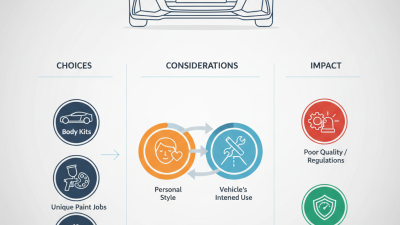
How to Choose the Best Audi Bodikit for Your Vehicle?
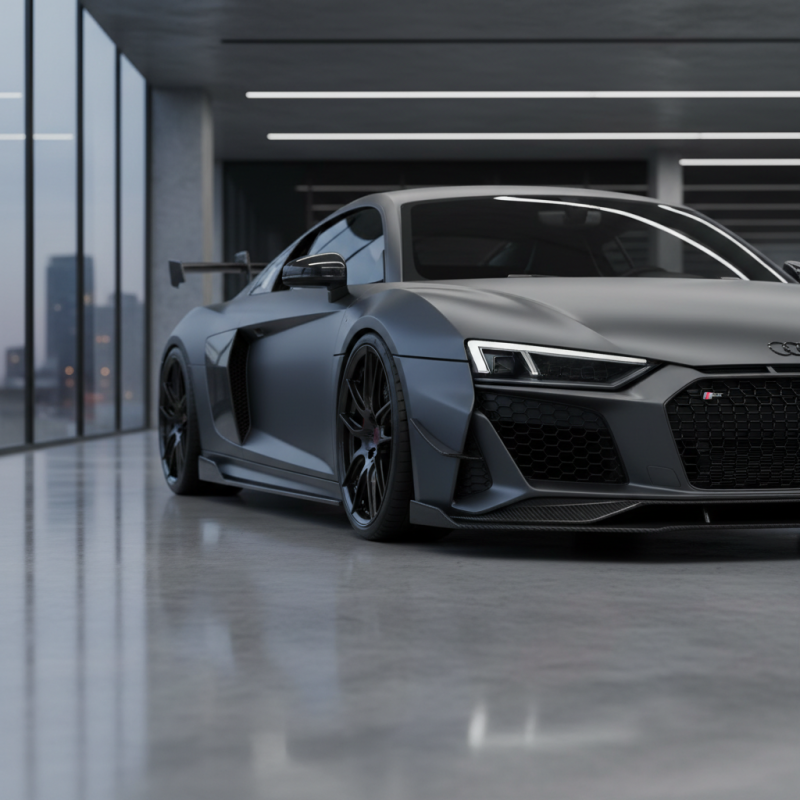
Choosing the right Audi Bodikit can greatly enhance your vehicle's appearance and performance. With many options available, it’s essential to understand what fits your specific model. Each Bodikit option offers unique features, catering to various styles and needs.
When selecting an Audi Bodikit, consider materials, design, and compatibility. Quality materials can ensure durability and longevity. However, not every design may suit your taste. Reflecting on your preferences is important. Look for trusted reviews and expert insights when making your choice.
Sometimes, the most stylish kits may not perform as expected. Weigh your priorities carefully. Seek out options that balance aesthetic appeal and functionality. Remember, a well-chosen Audi Bodikit can elevate your car significantly, making it not just a vehicle but an extension of your personality.
Understanding the Types of Audi Bodikits Available
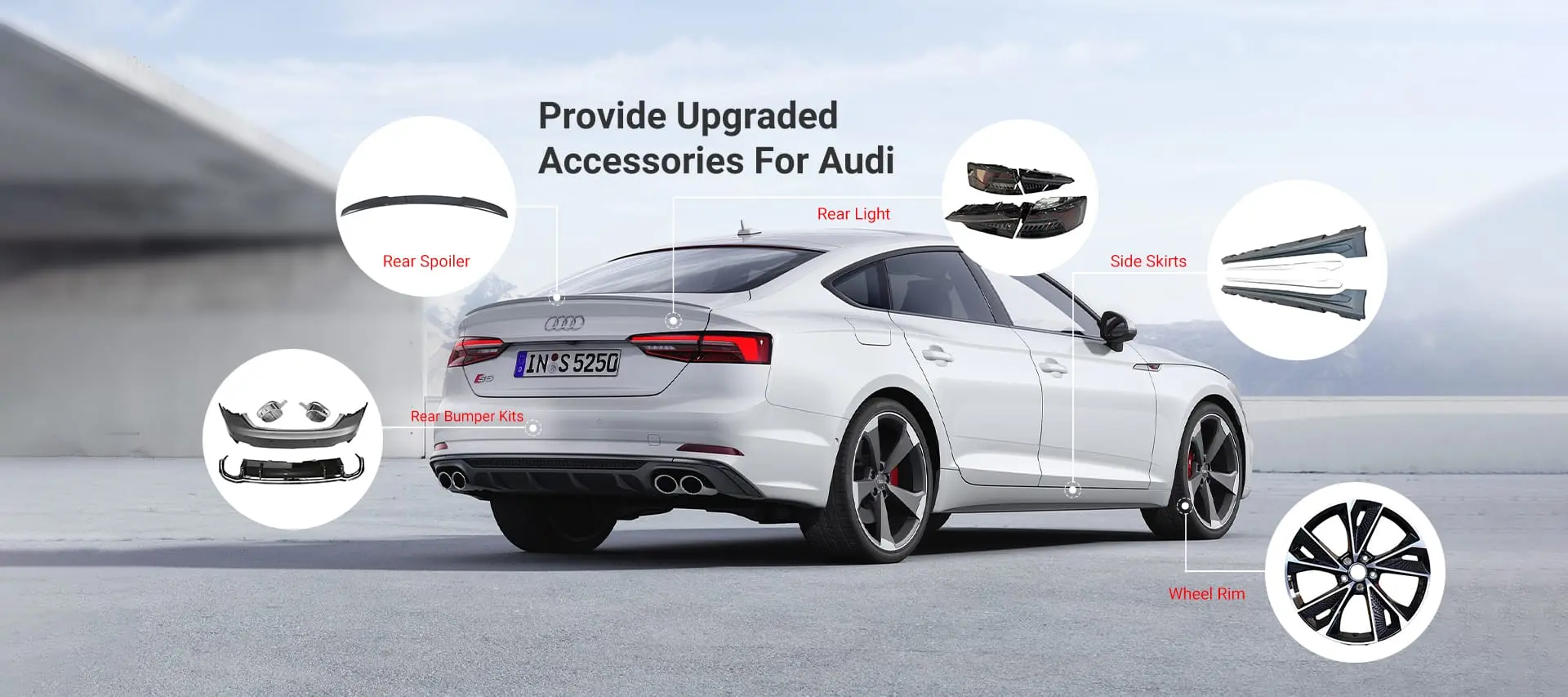
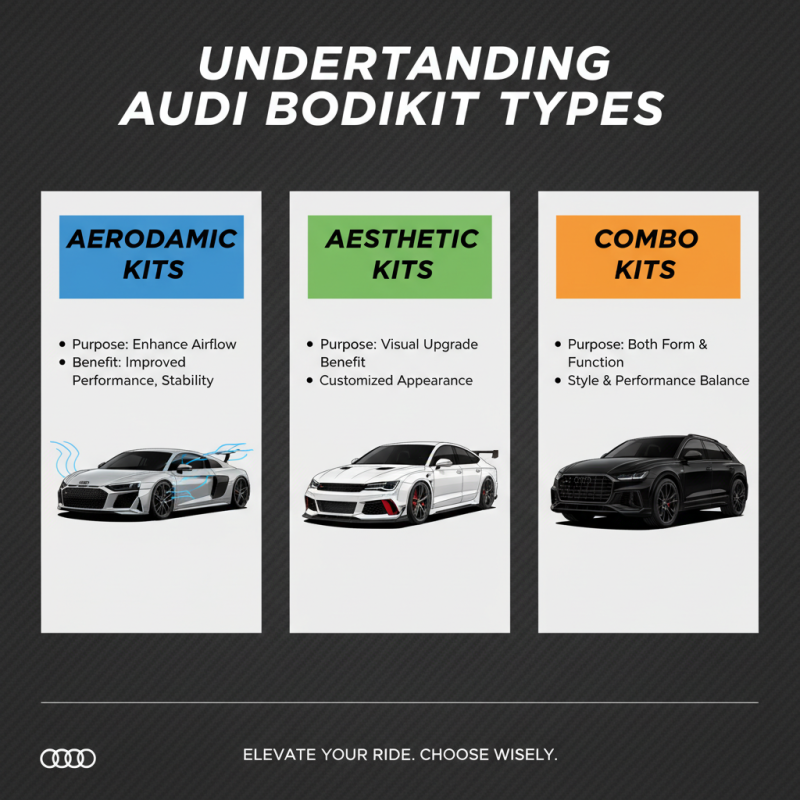
When considering Audi bodikits, it's important to understand the types available. Each kit serves a different purpose. Some enhance aerodynamics, while others focus on aesthetic improvements. A well-chosen bodikit can elevate your car’s appearance and performance.
Custom bodikits are popular among enthusiasts. They allow for personal expression. However, installation might pose challenges. Misalignment can occur, leading to potential repair costs. Pre-fabricated kits, on the other hand, offer convenience and ease. They often provide a good fit without significant modifications.
Choosing the right bodikit is not just about looks. Reliability plays a crucial role. High-quality materials ensure durability. Cheaper options might fade or break easily. Researching user reviews can help gauge performance. Prioritize quality over price for a longer-lasting impact.
Evaluating Compatibility with Your Audi Model
When choosing an Audi body kit, compatibility with your specific model is crucial. Different Audi models have unique dimensions and design features. A body kit that fits one model perfectly may look out of place on another. Check your vehicle’s specifications before making any decisions. This ensures that the kit enhances the car’s aesthetic without compromising performance.
Consider the installation process as well. Some body kits require professional installation. Others are designed for DIY enthusiasts. Assess your skills honestly. Complex kits may lead to frustration if not installed correctly. Research forums and consult with experts to gather insights about your model. Engaging with the community can shed light on common issues faced during installation.
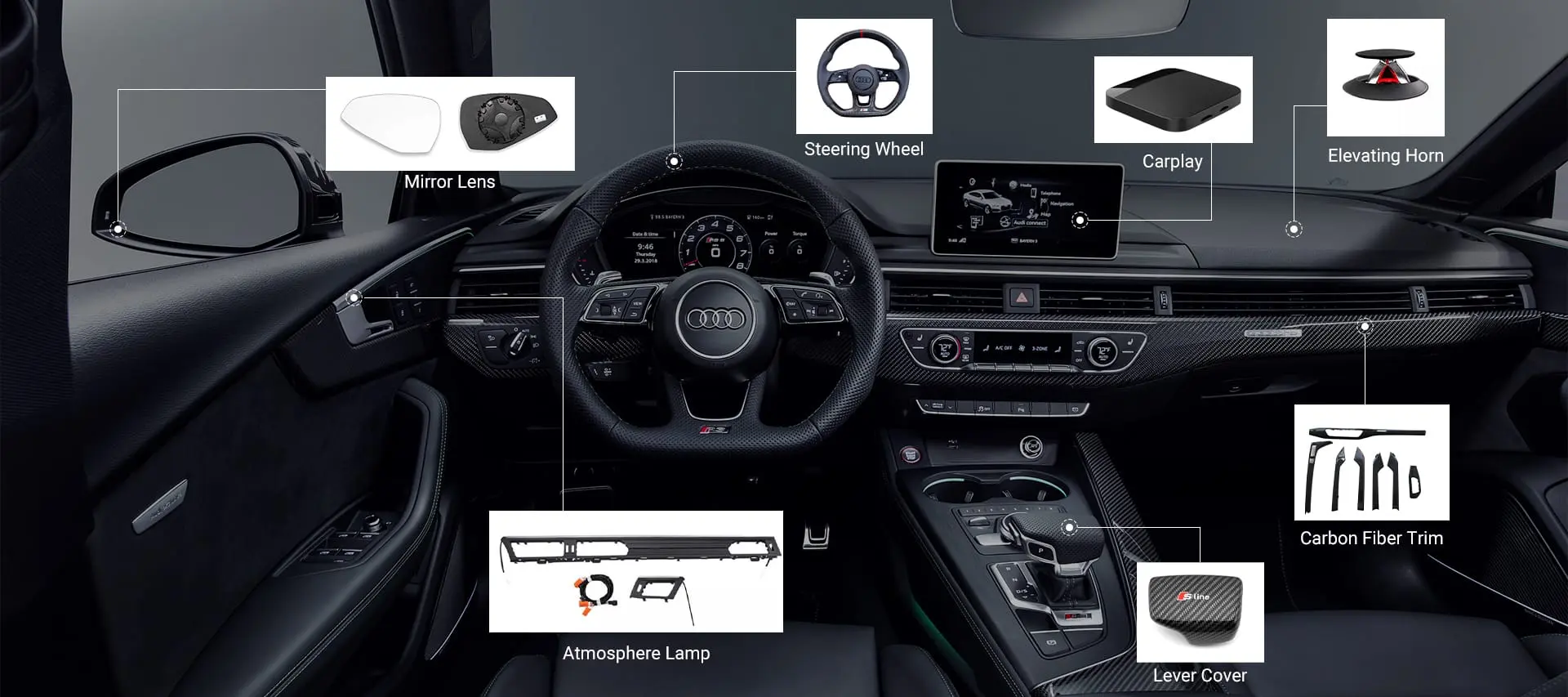
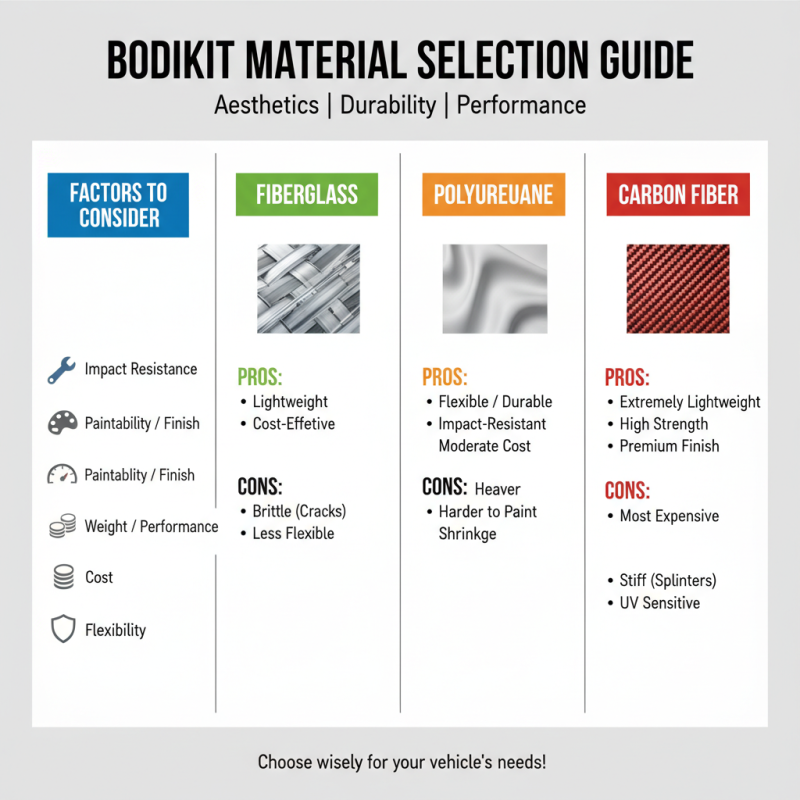
Lastly, think about the materials used in the body kit. Various options are available, including fiberglass and polyurethane. Each material has its own pros and cons. Fiberglass is lightweight but can crack easily. Polyurethane is more durable but heavier. Evaluate your priorities based on your driving style. This thoughtful approach will lead to a selection that not only looks good but also serves you well.
Assessing Performance Enhancements from Different Bodikits
When assessing performance enhancements from different bodikits, start with your vehicle’s specific needs. Each bodikit can alter the vehicle's aerodynamics, weight distribution, and overall handling. Prioritize kits that enhance both performance and visual appeal.
Consider how materials affect performance. Lightweight composites can boost handling while maintaining structural integrity. However, cheaper materials might not hold up under stress. Look for reviews that detail real-world experiences. Pay attention to both pros and cons for a balanced view.
Tips: Research installation complexity. Some kits may require professional help, impacting your budget. Investigate customer feedback on performance gains. Performance varies based on driving conditions and styles. Don’t forget to think about your long-term plans for the vehicle. Adjusting your choice today may lead to regrets tomorrow.
How to Choose the Best Audi Bodikit for Your Vehicle? - Assessing Performance Enhancements from Different Bodikits
| Bodikit Type |
Performance Enhancement |
Material |
Installation Difficulty |
Estimated Cost ($) |
| Aerodynamic Kit |
Improves airflow, reduces drag |
Carbon Fiber |
Moderate |
1200 |
| Body Spoiler |
Increases rear downforce |
ABS Plastic |
Easy |
400 |
| Front Bumper Kit |
Enhances front-end stability |
Polyurethane |
Moderate |
800 |
| Side Skirts |
Reduces side wind resistance |
Fiberglass |
Difficult |
600 |
| Rear Diffuser |
Improves traction during acceleration |
Carbon Fiber |
Moderate |
900 |
Budgeting for Purchase and Installation of Audi Bodikits
When planning to enhance your Audi with a bodikit, budgeting is crucial. Many owners underestimate costs. According to industry reports, installation can range between $500 to $2,000. This cost often depends on the complexity of the kit and the labor involved. It’s important to account for hidden expenses, such as painting and material upgrades.
Tips: Always get multiple quotes. Comparing prices can save you money. Research local shops and their reviews for reliability.
Consider the long-term benefits of a well-chosen bodikit. A quality kit can enhance performance and aesthetics. However, it requires regular maintenance. Some owners find themselves spending more than anticipated on upkeep.
Optimize your budget by prioritizing essential features. Determine what aspects will be most beneficial for your driving style. Be realistic about your expectations, and remember that quality should not be compromised for the price.
Budgeting for Audi Bodikit Purchase and Installation