Top 10 Car Bumper Styles for Every Vehicle and Their Benefits
In the ever-evolving automotive industry, the significance of a car's exterior cannot be overstated, and at the forefront of that exterior design lies the car bumper. According to renowned automotive expert Dr. Emily Carter, "The car bumper is not just a protective feature; it is a critical component that enhances safety, style, and functionality." As vehicles continue to advance in technology and design, the variety of car bumper styles has expanded dramatically, catering to both aesthetic preferences and practical needs across different vehicle types.
Choosing the right bumper style is crucial for ensuring optimal performance and protection, as well as enhancing the overall look of the vehicle. From sleek, aerodynamic designs suitable for sports cars to robust options ideal for off-road vehicles, each bumper style serves a unique purpose and offers distinct advantages. In this article, we will explore the top 10 car bumper styles available, examining the benefits each one brings to various vehicles. Whether you are a car enthusiast looking to customize your ride or a concerned owner wanting to improve safety features, understanding car bumper styles is essential in making an informed decision.
Understanding Car Bumper Styles: An Overview
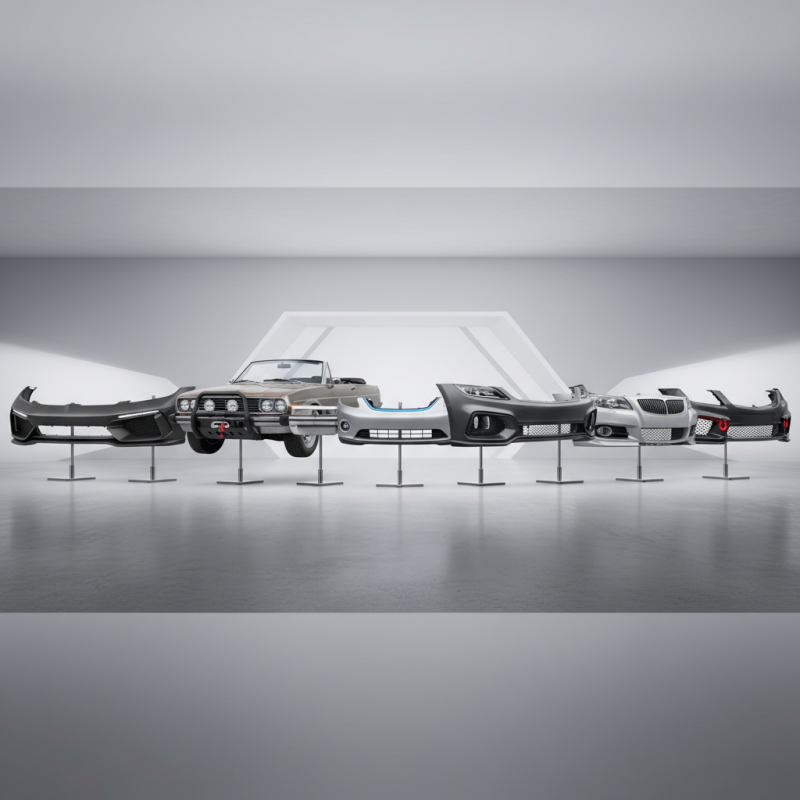
Car bumpers are a crucial component of vehicle design, serving not only as protective elements but also as stylistic features that can greatly influence a car's overall aesthetic. There are several styles of bumpers available, each tailored to specific vehicle types and functions. For instance, the common styles include full-width bumpers, modular bumpers, and off-road bumpers, each offering unique benefits. According to the National Highway Traffic Safety Administration (NHTSA), modern bumpers are designed not only to minimize damage during low-speed collisions but to enhance pedestrian safety, reducing injuries by up to 28% in certain scenarios.
The dynamic nature of car bumper design has also led to a rise in materials used for their construction, from plastic composites to metal alloys. A report by MarketsandMarkets states that the automotive bumper market is projected to reach around $25 billion by 2025, highlighting the industry's shift toward lightweight yet durable materials aimed at improving aerodynamics and fuel efficiency. As auto manufacturers innovate, we see a growing trend toward integrating advanced technologies into bumpers, such as sensors and cameras for enhanced safety features, thereby aligning design choices with the increasing consumer demand for both aesthetics and functionality in vehicle design.
Types of Bumper Styles: A Detailed Examination
When it comes to choosing the right bumper style for your vehicle, it’s essential to understand the various types and their unique benefits. One popular style is the **standard bumper**, typically found on many sedans and compact cars. This design offers a streamlined look while providing adequate protection during minor collisions. With a focus on aesthetics, standard bumpers often integrate smoothly with the vehicle's overall design, making them a favored choice for everyday drivers.
Another innovative option is the **off-road bumper**, which caters to adventure enthusiasts. These bumpers are built to withstand tough terrains and typically feature reinforced materials. They often come equipped with additional features such as winches and light mounts, enhancing both functionality and safety during off-road excursions. Additionally, the **aero bumper**, designed for enhanced aerodynamics, helps to improve fuel efficiency by reducing drag. By understanding the characteristics of these bumper styles, vehicle owners can make informed decisions that cater to their specific driving needs and preferences.
Benefits of Each Bumper Style for Different Vehicles
When selecting a car bumper style, it’s essential to consider the benefits each option offers for different types of vehicles.
 For instance, heavy-duty bumpers are ideal for off-road SUVs and trucks. They provide enhanced protection against impacts and can support additional features like winches or auxiliary lights. These bumpers are typically made from steel or reinforced materials, ensuring durability during rugged adventures.
Conversely, aerodynamic bumpers are perfect for sedans and sports cars, as they improve fuel efficiency and enhance the overall aesthetic. Their design minimizes air drag, contributing to better gas mileage and a smoother ride. Moreover, these bumpers often incorporate modern features such as integrated fog lights and sensors, adding both functionality and style.

Tips: When choosing a bumper style, consider your driving habits and the primary use of your vehicle. For off-road enthusiasts, prioritize strength and functionality, while city drivers might look for designs that offer sleekness and efficiency. Always take into account the weather conditions you typically encounter; some bumpers are more resistant to elements like corrosion and debris than others.
Choosing the Right Bumper: Factors to Consider
Choosing the right bumper for your vehicle involves several key factors that can significantly influence safety, aesthetics, and functionality. One of the critical considerations is the bumper material. According to a report by Automotive Research Consultancy, over 70% of manufacturers now opt for plastic bumpers due to their weight efficiency and cost-effectiveness. However, while plastic can absorb impact reasonably well, steel or aluminum options provide superior protection in high-collision scenarios, making them preferable for heavy-duty applications.
Another essential factor to weigh is the bumper design. Aerodynamic designs not only enhance vehicle aesthetics but also contribute to fuel efficiency. A study by the Society of Automotive Engineers found that well-designed bumpers can improve aerodynamics by up to 5%, thus reducing fuel consumption over time. Furthermore, compatibility with various vehicle types is crucial; compact cars may prioritize lighter, more streamlined bumpers while SUVs often benefit from more robust designs for added protection.
Ultimately, understanding these elements helps in selecting a bumper that aligns not just with style but also with the performance and safety standards required for different driving environments.
Maintaining Your Vehicle's Bumper for Longevity and Performance
Maintaining your vehicle's bumper is crucial not only for aesthetic reasons but also for safety and performance. A well-maintained bumper can significantly absorb impacts, thereby protecting vital components of the vehicle. According to industry reports, nearly 30% of collision damages occur at the bumper level, making its maintenance essential for vehicle longevity. Regular checks for cracks or signs of wear can prevent costly repairs down the line. It’s recommended to inspect the bumper every six months, especially after inclement weather or rough road conditions, to ensure it remains in optimal condition.
The materials used in modern bumpers, such as thermoplastics, can degrade over time due to exposure to UV rays and environmental elements. Industry studies indicate that UV damage can lead to a reduction in the structural integrity of the bumper by up to 50% over five years without proper maintenance. To prolong the life of your bumper, applying protective coatings and keeping it clean from debris and salt can help mitigate this degradation. Additionally, utilizing a professional service for minor repairs can preserve the bumper’s functionality, thereby enhancing overall vehicle performance and safety on the road.
Top 10 Car Bumper Styles for Every Vehicle and Their Benefits - Maintaining Your Vehicle's Bumper for Longevity and Performance
| Bumper Style |
Material |
Benefits |
Maintenance Tips |
| Standard Plastic Bumper |
Plastic |
Affordable, lightweight, easy to replace |
Regular cleaning and inspection for cracks |
| Steel Bumper |
Steel |
High durability, excellent impact resistance |
Check for rust and apply protective coating |
| Fiberglass Bumper |
Fiberglass |
Lightweight, customizable shapes |
Avoid extreme temperatures; inspect regularly |
| Hybrid Bumper |
Plastic and Metal |
Balance of strength and weight |
Regular visual checks for wear and tear |
| Rubber Bumper |
Rubber |
Excellent shock absorption |
Keep clean and check for cracks |
| Off-road Bumper |
Heavy-duty metal |
Enhanced protection, rugged design |
Inspect welds and mounting points regularly |
| Aerodynamic Bumper |
Plastic |
Improved fuel efficiency |
Keep free of debris for optimal airflow |
| Towing Bumper |
Steel |
Built for towing, strong and durable |
Check hitch and wiring regularly |
| Custom Bumper |
Varied materials |
Unique designs tailored to vehicle |
Regularly maintain finish and attachment points |