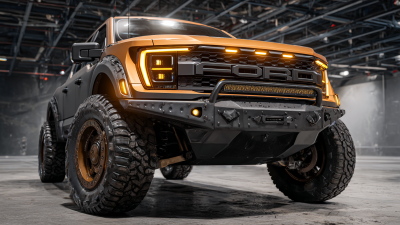
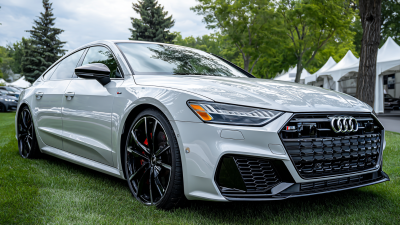
Top 10 Car Bodykits for Ultimate Style and Performance in 2023
In the ever-evolving automotive industry, car enthusiasts are consistently on the lookout for ways to enhance the aesthetics and performance of their vehicles. According to a report by Grand View Research, the global automotive aftermarket was valued at over $380 billion in 2022, with a significant portion allocated to modifications such as Car Bodykits. The demand for body kits has seen remarkable growth as motorists aim to personalize their rides, improve aerodynamics, and increase overall performance.
A Car Bodykit not only transforms a vehicle's visual appeal but also plays a crucial role in its performance. Performance-oriented body kits can aid in reducing drag and increasing downforce, which enhances stability at higher speeds. As highlighted in industry analyses, the performance parts segment is projected to grow steadily due to increased consumer interest in racing and tuning. Furthermore, with advancements in materials such as carbon fiber and fiberglass, modern body kits offer better durability and weight reduction, propelling their popularity among performance enthusiasts.
As we delve into the top 10 Car Bodykits for 2023, it is essential to recognize their dual role in both style and function. These aftermarket parts provide enthusiasts with the opportunity to stand out on the road while enjoying the benefits of improved vehicle dynamics. Whether you're seeking a sleek, aggressive look or raising the stakes for performance, the right body kit can redefine what your car stands for, all while contributing to its market value in a thriving automotive landscape.

Top 10 Car Bodykits: Enhancing Aesthetics and Aerodynamics in 2023
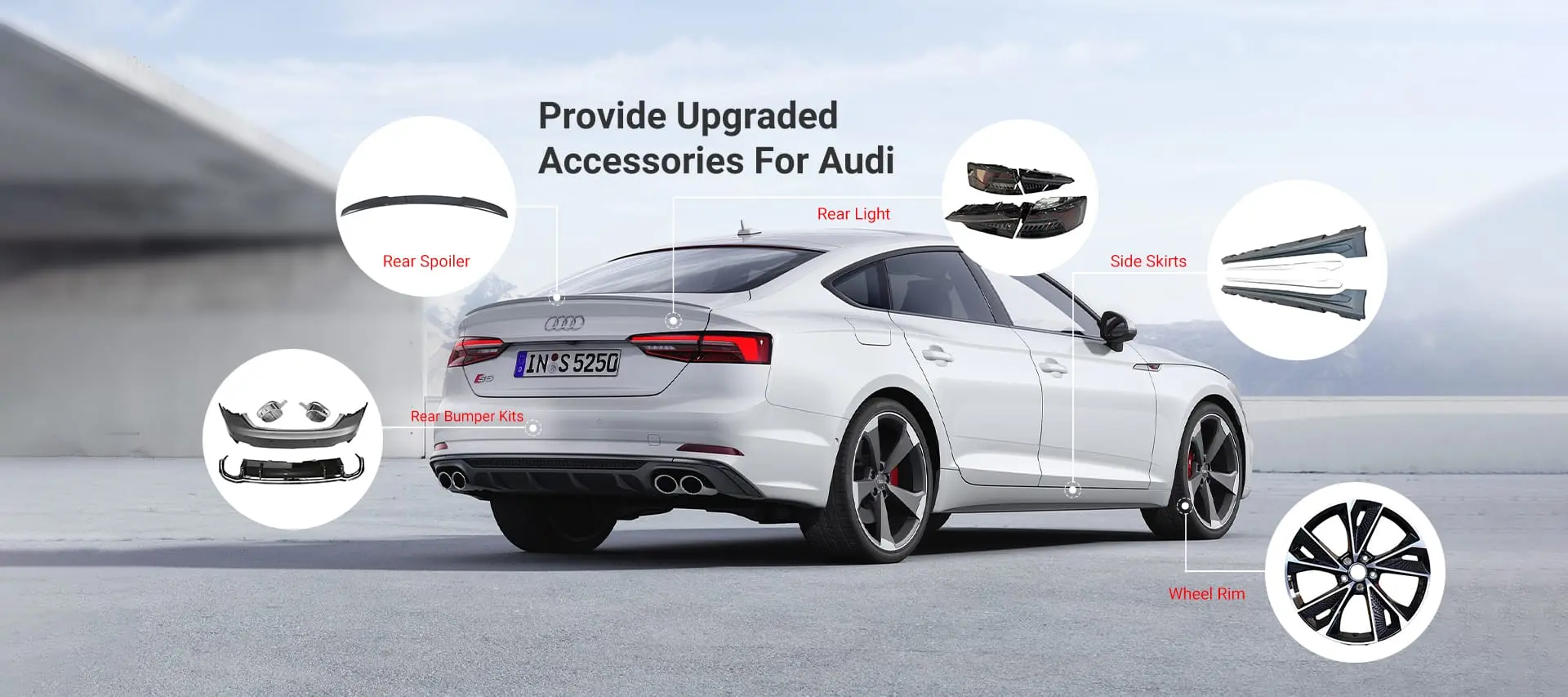
In 2023, car enthusiasts are increasingly focused on enhancing both aesthetics and aerodynamics through innovative bodykits. These modifications not only give vehicles a striking visual appeal but also improve performance by reducing drag and increasing downforce. With advancements in automotive design, bodykits are now crafted from lightweight materials, allowing for a perfect blend of style and functionality. A well-designed bodykit can transform an ordinary car into a head-turning masterpiece on the road.
Popular bodykits this year include features such as aggressive front splitters, side skirts, and rear diffusers that work harmoniously to enhance the car's profile. Brands are embracing bold designs and customizable options to cater to diverse tastes, ensuring each bodykit not only serves an aerodynamic purpose but also reflects the owner’s personality. As drivers seek unique ways to stand out on the road, bodykits have become an essential element in modern car culture, merging visual artistry with engineering excellence.
Analyzing Performance Metrics: Downforce and Drag Reduction in Bodykits
When considering car bodykits, performance metrics such as downforce and drag reduction become crucial factors. Downforce, the aerodynamic force that pushes the vehicle down onto the road, enhances grip and stability, especially at high speeds. Bodykits designed to optimize downforce typically feature larger front splitters, side skirts, and rear diffusers, all working in harmony to improve airflow around the car. This enhancement in aerodynamics can significantly improve cornering speeds, giving drivers the edge they need on the track.
Drag reduction, on the other hand, focuses on minimizing aerodynamic resistance. A well-designed bodykit can streamline a vehicle's profile, reducing the drag coefficient. This reduction translates to improved acceleration and fuel efficiency, crucial for both daily drivers and competitive racers. Features like rear spoilers and proper venting help to manage airflow effectively, allowing the vehicle to cut through the wind with ease.
Tips: When selecting a bodykit, always consider the specific driving conditions and your performance goals. For track enthusiasts, prioritize downforce-enhancing components, while those focused on daily driving might benefit more from kits that emphasize drag reduction. Additionally, ensure that any modifications comply with local regulations to maintain safety and legality.
Top 10 Car Bodykits: Downforce and Drag Reduction Metrics in 2023
Material Choices: Carbon Fiber vs. Fiberglass for Bodykit Durability
When it comes to enhancing the appearance and performance of cars through bodykits, the choice of materials plays a crucial role in both durability and aesthetics. Two of the most popular materials for bodykits are carbon fiber and fiberglass, each offering unique advantages that cater to different needs and preferences. According to a 2022 industry report by Automotive Materials, carbon fiber components are 30% lighter than fiberglass while providing nearly double the tensile strength. This makes carbon fiber an ideal choice for performance-oriented drivers seeking to improve their vehicle's handling and speed.
On the other hand, fiberglass remains a cost-effective option favored by those who prioritize affordability without sacrificing style. Industry studies show that fiberglass can be produced at a lower cost—often less than half the price of carbon fiber parts. However, fiberglass is generally heavier and less resistant to impacts compared to carbon fiber, which can limit its longevity under extreme driving conditions. Ultimately, the choice between carbon fiber and fiberglass for bodykits will depend on the driver's budget and performance aspirations, as well as the long-term investment they wish to make in their vehicle's enhancements.
Top 10 Car Bodykits for Ultimate Style and Performance in 2023
| Bodykit Name |
Material |
Weight (lbs) |
Durability Rating |
Style Rating |
| Sporty Aero Kit |
Carbon Fiber |
25 |
9/10 |
10/10 |
| Street Style Kit |
Fiberglass |
30 |
7/10 |
8/10 |
| Racing Dynamics Kit |
Carbon Fiber |
22 |
10/10 |
9/10 |
| Luxury Design Kit |
Fiberglass |
28 |
8/10 |
9/10 |
| Performance Plus Kit |
Carbon Fiber |
24 |
9/10 |
10/10 |
| Aggressive Look Kit |
Fiberglass |
29 |
6/10 |
9/10 |
| Minimalist Kit |
Carbon Fiber |
23 |
8/10 |
7/10 |
| All-Rounder Kit |
Fiberglass |
31 |
7/10 |
8/10 |
| Custom Fit Kit |
Carbon Fiber |
26 |
9/10 |
10/10 |
| Sleek Racer Kit |
Fiberglass |
27 |
7/10 |
9/10 |
Customization Trends: Popular Styles and Their Impact on Vehicle Value
Customization in the automotive industry has reached new heights in 2023, as car enthusiasts increasingly seek unique bodykits that enhance both the aesthetics and performance of their vehicles. Popular styles such as aggressive wide-body kits, sleek aerodynamics, and retro-inspired designs not only attract attention on the road but also serve to elevate the car's overall value. The impact of such modifications is significant; well-crafted bodykits can appeal to potential buyers by providing a personalized touch that reflects individual tastes.
As the global automotive aftermarket continues to expand, projected to grow from USD 430.51 billion in 2024, the demand for custom bodykits signals a shift toward prioritizing style and individual expression. Car owners are recognizing that investing in high-quality modifications can differentiate their vehicles in a competitive market. Moreover, these enhancements often lead to increased resale value, as potential buyers are drawn to the added performance and unique characteristics that custom bodykits provide. In this dynamic landscape, the right modifications not only enhance driving experience but also bolster the investment value of vehicles.
Installation and Maintenance: Cost Considerations for Car Bodykits in 2023
When considering the installation of car bodykits in 2023, costs can vary significantly based on the complexity of the kit and the labor involved. On average, you can expect to pay anywhere from $500 to $5,000 for a quality bodykit, including installation fees. It's crucial to budget not only for the purchase of the kit but also for paintwork, adjustments, and any additional modifications needed to ensure a perfect fit.
**Tips:** Before committing to a bodykit, shop around to find a reputable installer. Look for reviews and previous work to gauge their experience. Additionally, consider whether you want a DIY installation or prefer a professional; the latter can provide peace of mind and save you from potential issues down the line.
Maintenance is another factor to consider post-installation. Bodykits often require regular cleaning and occasional checks for any damage, particularly if they are made of lightweight materials. The cost of maintenance can be minimal if proper care is taken.
**Tips:** Invest in a good quality detailing spray to keep your bodykit looking fresh, and schedule regular inspections to catch any wear or tear early.