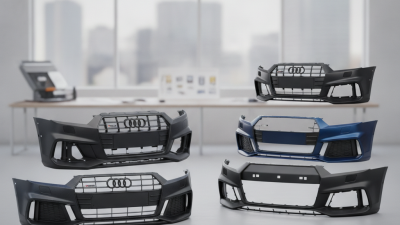

Choosing the right Audi Bumper manufacturer requires more than comparing prices or glossy product photos. Global buyers must examine fitment accuracy, material quality, production control, and export experience. A bumper should align with the fender, grille, lamps, parking sensors, and camera openings without forcing any panel into place. Small gaps can reveal larger manufacturing problems.
Richard Reina, a veteran automotive technical specialist, offers a useful purchasing principle: “Fitment must come before appearance.” This idea matters across Audi models, including the A4, A6, Q5, and Q7. Reliable manufacturers normally provide mold references, OE numbers, material details, and inspection records. They may use PP, ABS, or reinforced composite materials, depending on the bumper design. Strong suppliers also explain whether products are primed, painted, or ready for final coating.
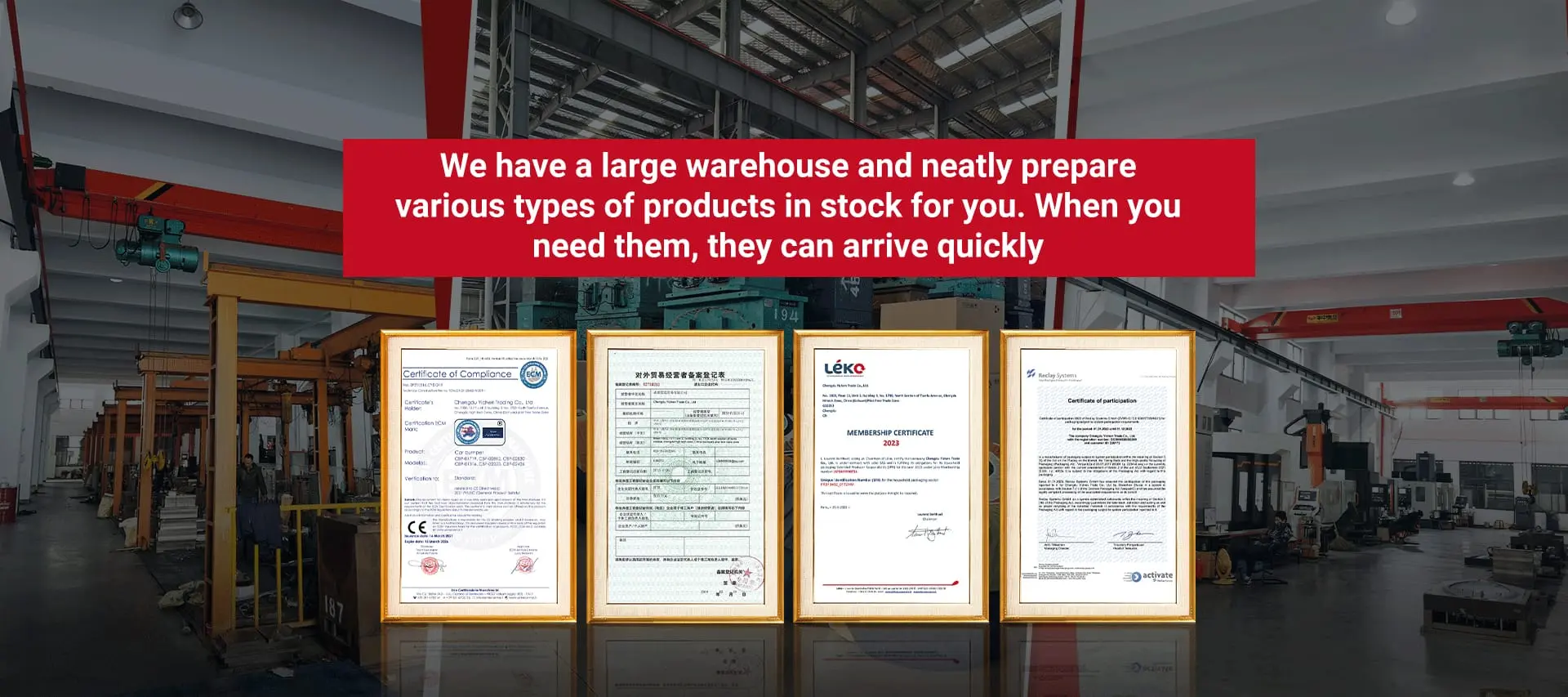
This guide evaluates leading Audi Bumper manufacturers for international buyers. It considers factory capability, quality assurance, packaging strength, customization, lead times, and after-sales support. Certifications such as ISO 9001 or IATF 16949 can support credibility, but they should not replace physical inspection. Ask for samples. Check mounting holes yourself. Test sensor compatibility where possible.
No supplier is perfect. Even experienced factories can face mold wear, color variation, or shipping damage. That deserves honest attention. Buyers should request pre-shipment photos, dimensional reports, and clear warranty terms before placing large orders. The best manufacturer is not always the cheapest one. It is the partner that delivers consistent fitment, communicates clearly, and corrects problems when reality differs from the quotation.
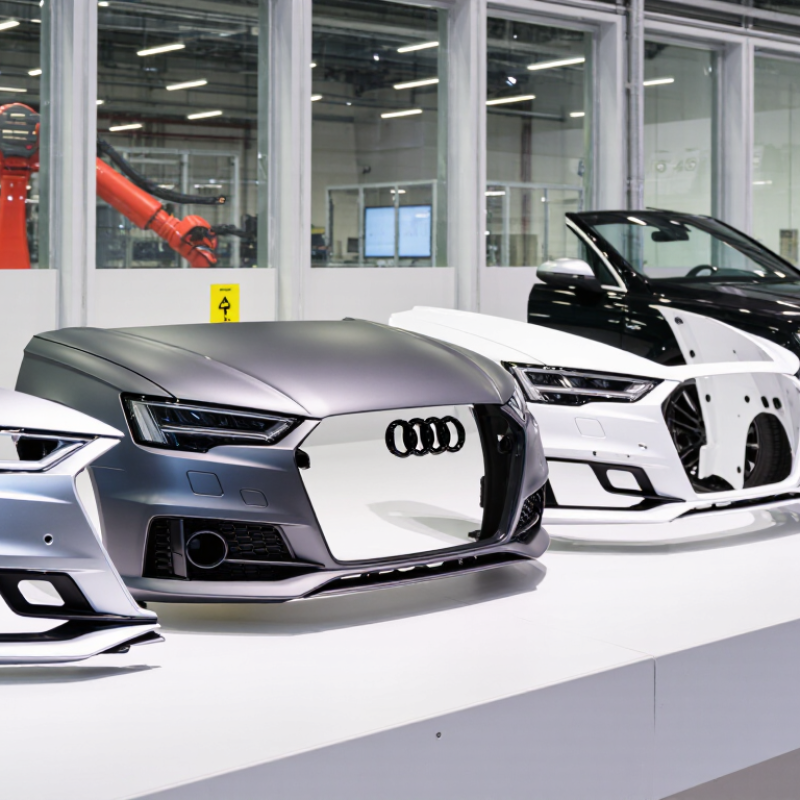
Front bumpers manage impact energy around the grille, headlights, and cooling openings. They usually combine a painted outer cover, an energy absorber, and a steel or aluminum reinforcement beam. Polypropylene and TPO remain common choices because they balance flexibility, weight, and paint adhesion.
Grand View Research reported that the global automotive plastics market exceeded USD 35 billion in 2023, supporting continued use of lightweight bumper materials.
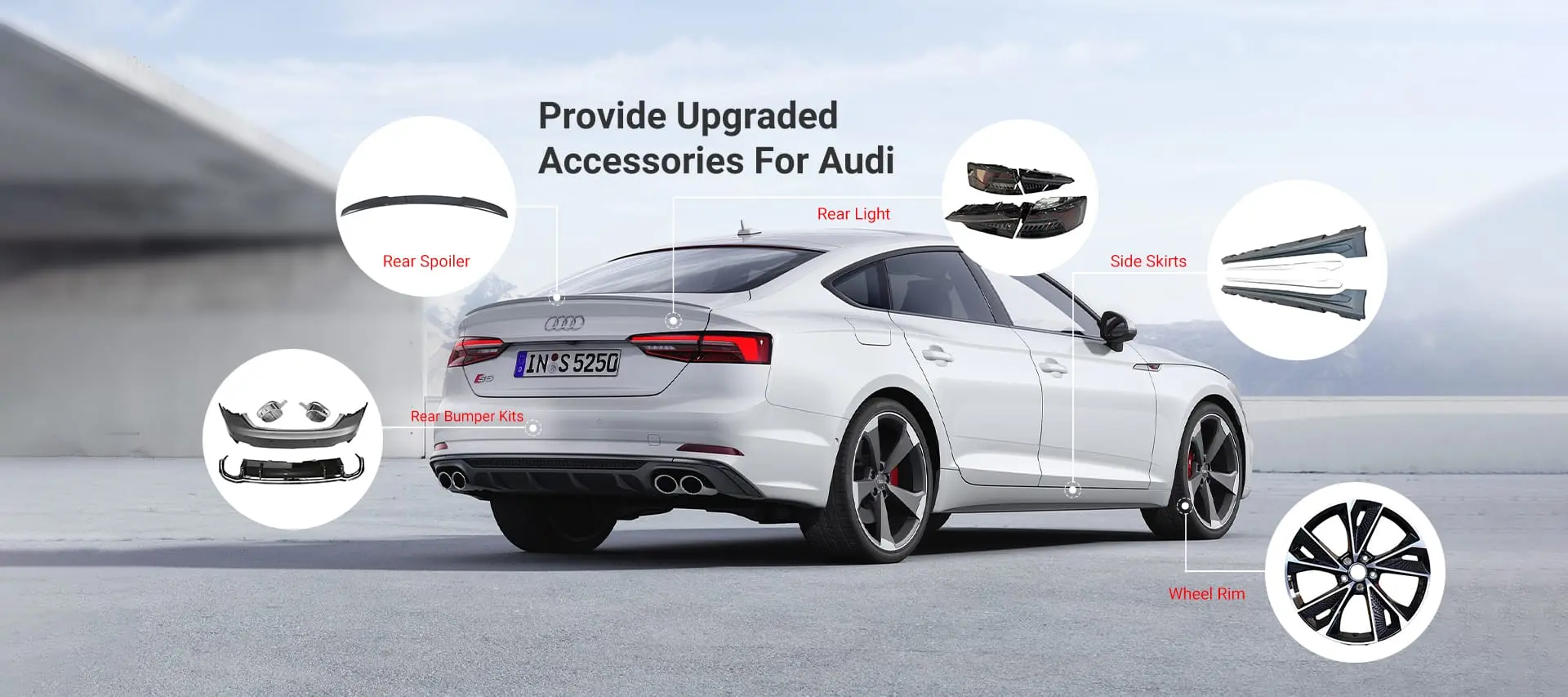
Rear bumpers protect trunk structures, exhaust areas, and parking sensors during low-speed impacts. Sensor-ready versions require accurate mounting points and stable gaps around radar or ultrasonic modules. A small misalignment can create warning errors.
It happens. Buyers should request dimensional inspection records, impact-absorption test results, and paint-process details before placing large orders.
The Insurance Institute for Highway Safety continues to use low-speed crash evaluations, showing why bumper geometry matters beyond appearance.
Sport-style bumpers use deeper air channels, sharper edges, and larger cooling openings. Their applications include performance trims and visual replacement projects. Pedestrian-focused designs may use softer foam structures and controlled deformation zones.
Replacement bumpers also differ by material, lighting cutouts, washer openings, and sensor provisions.
S&P Global Mobility’s vehicle parc research highlights the growing diversity of vehicle configurations, making exact model-year verification essential.
In practice, suppliers sometimes list one cover for several years. That shortcut can fail. Reliable global sourcing requires fitment drawings, sample approval, traceable material data, and packaging that prevents corner deformation during ocean transport.
Evaluating a bumper manufacturer requires more than checking mold photos or a low quotation. Ask for resin grades, reinforcement details, dimensional tolerances, and test records. The supplier should explain impact performance, paint adhesion, heat aging, and parking-sensor fit. S&P Global Mobility reported that U.S. light vehicles reached an average age of 12.6 years in 2024. This makes long-term fit and repairability practical buying criteria. Request samples after temperature cycling and low-speed impact tests. A glossy prototype may still warp near a grille opening. That weakness is easy to miss.
Tips: Compare at least three suppliers using the same drawing and test conditions. Check IATF 16949 certification, laboratory accreditation, mold-maintenance records, and traceability procedures. Ask for actual rejection rates, not only promised capacity. Review the 2024 ACEA Vehicles on European Roads report, which placed the average European passenger car age at 12.5 years. Durability matters beyond the first delivery.
During an audit, inspect storage areas, measuring equipment, and finished-part packaging. Small details reveal process discipline. Confirm material batch control and color consistency under daylight. Independent testing adds credibility, especially for impact and weathering claims. Still, certificates are not proof of perfect production. Recheck dimensions from several production batches before signing a long-term agreement. A supplier may perform well during sampling and struggle after volume increases. That risk deserves written quality targets, response times, and corrective-action rules.
Leading bumper manufacturers for global buyers combine precise tooling, stable materials, and dependable export support. For premium European vehicle applications, fitment accuracy matters as much as surface appearance. Mounting holes should align without force, while sensor openings must match the original layout. Small errors become expensive.
Reliable manufacturers usually offer polypropylene or reinforced polymer options, depending on impact requirements and vehicle specifications. They should control wall thickness, rib strength, surface texture, and paint adhesion during production. A strong supplier also provides inspection records, sample approvals, and clear packaging details. Bumpers need corner protection, moisture resistance, and secure stacking for long-distance shipping. Crushed edges are not a minor problem.
Global buyers should compare tooling quality, minimum order quantities, replacement policies, and delivery consistency. Ask for dimensional drawings and photographs from several production stages. Third-party testing can confirm impact performance, material stability, and coating durability. However, paperwork alone cannot prove reliable production. A physical sample often reveals uneven gaps, weak clips, or rough edges that digital images hide. That lesson is easy to overlook. Manufacturers serving international markets should also communicate clearly about customs documents, labeling, and regional fitment differences. Even experienced buyers can miss a small specification change. Careful verification remains necessary.
Global buyers need more than a low quoted price when sourcing compatible bumpers. Quality begins with material control, mold accuracy, and stable production records. Ask manufacturers for resin or steel specifications, impact-test results, and dimensional inspection reports. A reliable supplier can explain how each batch is checked, from mounting tabs to sensor openings. In my sourcing experience, small alignment errors create costly installation delays. Factory photos help, but traceable documents matter more. Visual confidence is not enough. A polished surface can hide weak reinforcement.
Certification should match the destination market and vehicle application. Request current certificates, test methods, issuing bodies, and product scope. Check whether documents cover the exact bumper design, not merely a similar component. Compatibility requires more than model-year labels. Confirm sensor apertures, grille interfaces, lamp positions, fastening points, and finish requirements. Ask for a sample or verified drawing before mass production. Measurements can disagree. That is why independent pre-shipment inspection is valuable, especially for mixed vehicle fleets.
Tips: Compare three suppliers using the same checklist. Record material grade, certificate number, revision date, and inspection tolerance. Test-fit one sample with standard clips and sensors. Keep photos of every mismatch. Honest feedback may reveal that your specifications are incomplete. That is useful, not embarrassing. A supplier that welcomes questions, corrects drawings, and documents changes is usually safer for long-term purchasing. Still, no certificate replaces physical verification. Recheck critical dimensions before installation.
| Evaluation Dimension | Recommended Global Benchmark | Typical Verification Evidence | Buyer Relevance | Compatibility Focus |
|---|---|---|---|---|
| Automotive Quality Management | IATF 16949 certification, supported by an active ISO 9001 quality system | Valid certificate, certification scope, issuing body, and latest surveillance status | Indicates controlled automotive production and documented process management | Consistent dimensional control across replacement batches |
| Vehicle Identification | Application data organized by model generation, body style, model year, and facelift status | OE reference cross-check, vehicle application list, and engineering drawings | Reduces incorrect orders caused by visually similar bumper designs | Parking sensors, headlamp washers, camera apertures, grilles, and trim differences |
| Material Traceability | Traceable polymer grade, supplier batch, molding date, and production lot | Material certificates, lot records, and retained inspection samples | Supports root-cause analysis and repeatable product quality | Common bumper substrates include PP-based materials and polymer blends |
| Dimensional Accuracy | Inspection against approved CAD data, control plans, and agreed dimensional tolerances | CMM or fixture inspection reports, first-article inspection, and capability studies | Helps prevent uneven gaps, poor flushness, and installation rework | Mounting tabs, reinforcement interfaces, wheel-arch edges, and lamp alignment |
| Crash and Impact Requirements | Testing aligned with the destination market, such as UNECE Regulation No. 42 or FMVSS No. 581 where applicable | Test reports from qualified laboratories and clearly defined test scope | Confirms that the bumper assembly is evaluated for the relevant market requirements | Energy absorbers, reinforcement compatibility, mounting strength, and deformation behavior |
| Environmental Compliance | REACH and applicable substance restrictions; RoHS only when the product falls within its legal scope | Supplier declarations, restricted-substance statements, and laboratory test results when required | Supports import clearance and responsible material sourcing | Paints, coatings, plastic additives, adhesives, and recycled-content declarations |
| Surface and Paint Quality | Uniform surface finish with controlled gloss, color, adhesion, and weathering performance | Color readings, coating adhesion tests, gloss measurements, and appearance inspection records | Reduces visible mismatch between the bumper and adjacent body panels | Primed, textured, unpainted, and pre-painted finish options must be specified separately |
| Sensor and ADAS Readiness | Verified provisions for parking sensors, radar-related components, cameras, and wiring retainers where fitted | Part-specific drawings, sensor-hole dimensions, bracket checks, and functional installation trials | Prevents false warnings, sensor obstruction, and additional bodywork modification | Sensor quantity, location, bracket geometry, camera angle, and calibration requirements |
| Production Part Approval | PPAP-style documentation or an equivalent first-article approval package | Part submission records, control plan, process flow, FMEA, inspection results, and sample approval | Provides documented evidence before regular production or private-label supply | Confirms that tooling, materials, and assembly features match the approved sample |
| Change Management | Formal notification and approval for changes to tooling, material, supplier, process, or design | Engineering-change notices, revision history, and revalidation records | Protects against unexpected fitment or finish changes during long-term supply | Tooling revisions, grille openings, sensor cut-outs, and mounting-point updates |
| Packaging and Export Protection | Protective packaging designed for long-distance transport and warehouse handling | Packaging specifications, drop or vibration evaluations, loading photos, and damage-rate records | Minimizes scratches, deformation, broken tabs, and freight claims | Stacking limits, protective film, corner supports, pallet dimensions, and moisture control |
| Warranty and Corrective Action | Written warranty terms with traceable complaint handling and corrective-action procedures | Warranty policy, response-time commitments, 8D reports, and replacement procedures | Provides measurable protection for distributors, repair networks, and fleet buyers | Coverage for fitment defects, coating issues, missing components, and transit damage |
Top Premium Vehicle Bumper Manufacturers for Global Buyers
Ordering a replacement bumper begins with fitment, not price. Request the exact vehicle generation, production year, parking-sensor layout, and side-camera openings. A supplier should provide material specifications, dimensional drawings, and recent inspection records. In my experience, one missing sensor aperture can turn a “ready-to-install” part into a costly workshop delay.
Shipping needs equal attention. The UNCTAD Review of Maritime Transport 2024 reported 2.4% growth in global maritime trade during 2023, while route disruptions increased transit uncertainty. Ask for carton dimensions, stacking limits, export documents, and a written Incoterm. Photograph the crate before opening it. This simple habit supports damage claims, although it cannot correct weak packaging. Sea freight may reduce unit cost, but urgent orders often require air cargo or regional stock.
After-sales support separates dependable manufacturers from casual exporters. The World Bank’s Logistics Performance Index 2023 evaluates customs, infrastructure, tracking, and timeliness, all useful when comparing suppliers across countries. Require a batch traceability code, replacement-part policy, and response deadline for defects. The ACEA Vehicles on European Roads report places the average passenger-car age in Europe at about 12.5 years, supporting steady demand for replacement body parts. Still, demand forecasts are imperfect. Keep a small validation order before committing to container volume, and test paint adhesion, mounting alignment, and sensor compatibility locally.