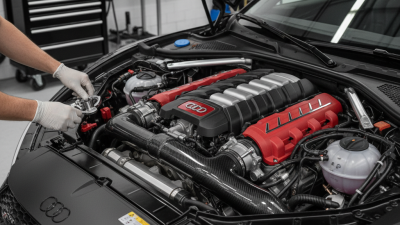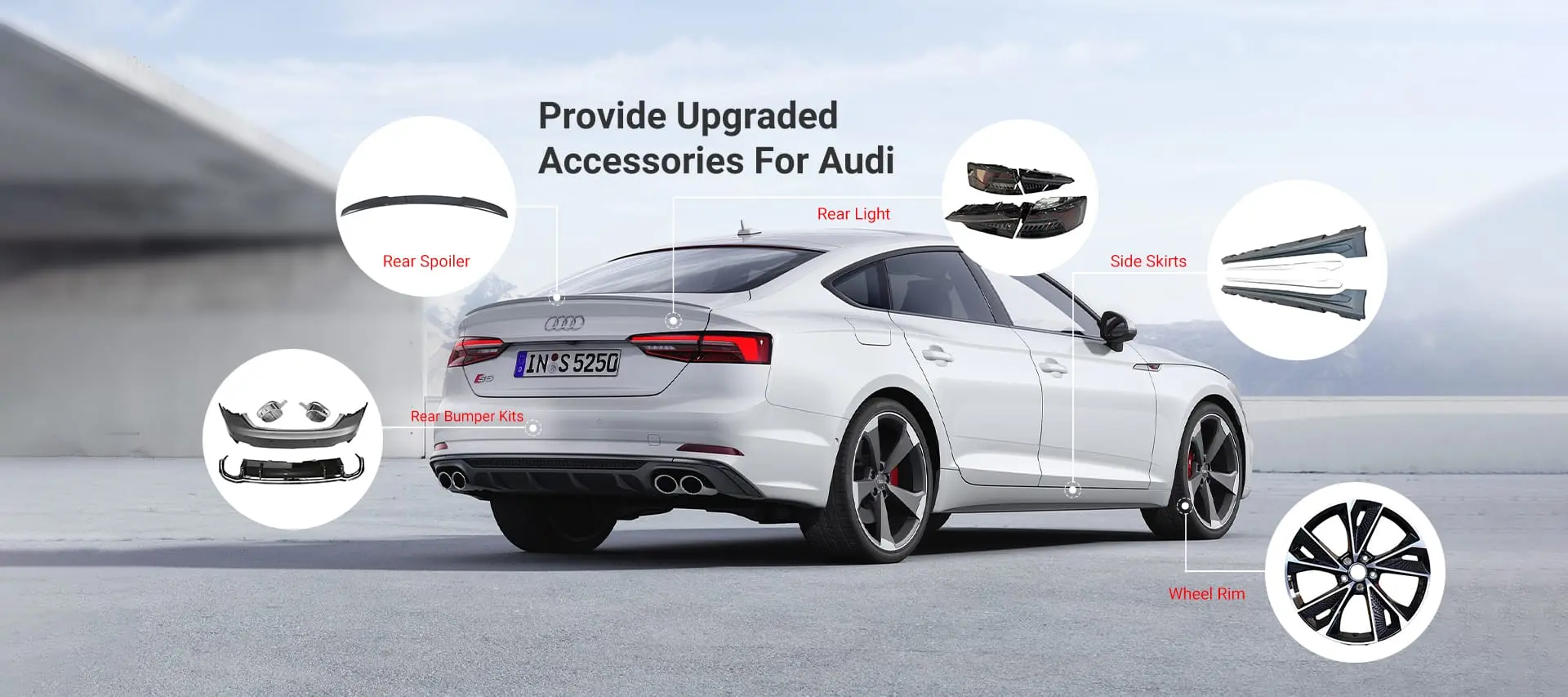


Owning an Audi is a thrilling experience. The brand is known for its engineering excellence and performance. However, understanding essential Audi parts is critical for every owner. If something goes wrong, knowing the right components can save time and money.
From the engine to the suspension, each part plays a vital role. For instance, the braking system is crucial for safety. Audi parts are designed with precision, but they may wear out over time. Regular checks can prevent larger issues. Some owners overlook basic components like filters or spark plugs. These parts are often forgotten but impact performance significantly.
Being informed allows you to make better decisions. An aware owner can choose to replace worn parts before they lead to problems. Understanding your Audi parts helps maintain the car's integrity. It creates a deeper bond between the owner and their vehicle. In the end, knowing these components can enhance your driving experience and improve longevity.
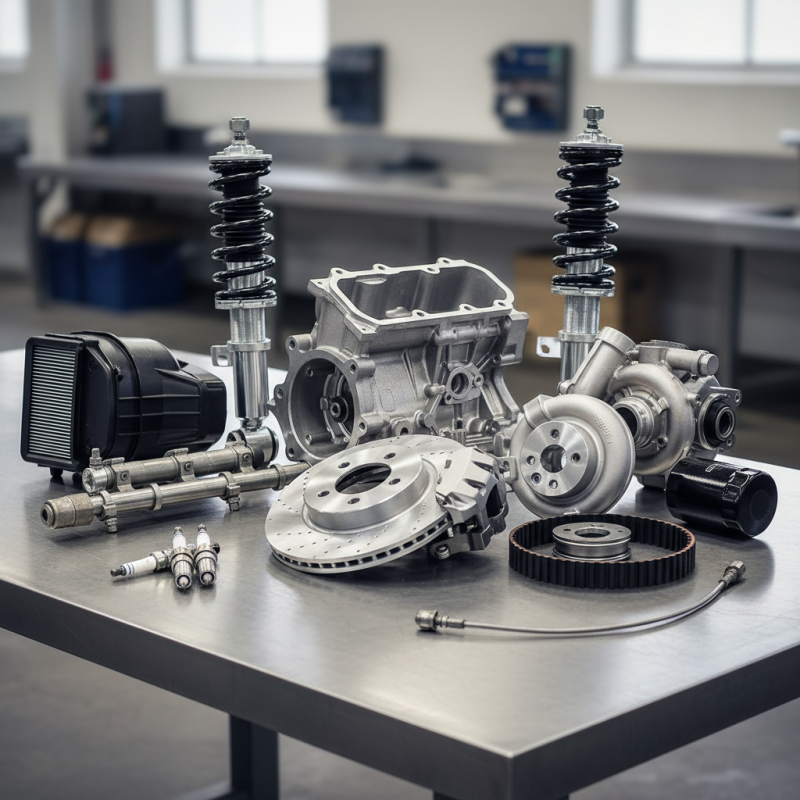
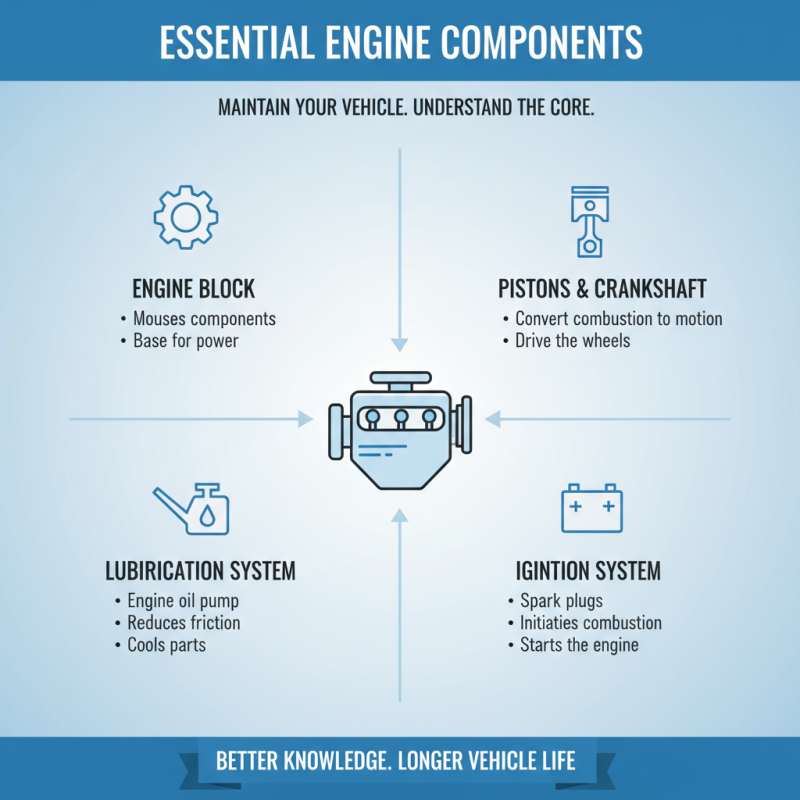
Maintaining your vehicle requires knowledge, especially about its engine components. Essential engine parts play a crucial role in overall performance. Understanding these components ensures better maintenance and longevity.
One vital part is the timing belt. It controls the engine's timing and should be replaced periodically. If it's worn out, it can lead to severe engine damage. Check it regularly for any signs of cracking or wear.
Another component is the oil filter, which is key for engine health. It keeps the oil clean, preventing dirt buildup. Neglecting it can harm engine efficiency. An oil change should always include a filter replacement.
Remember to monitor the thermostat as well. It regulates engine temperature. A faulty thermostat can cause overheating. Regular checks are important to avoid catastrophic failures. Keeping these components in good condition can save money on repairs. Always consult your manual for specific maintenance schedules. Proper care now means fewer problems later.
When it comes to a car’s performance, the transmission plays a crucial role. It ensures that power from the engine reaches the wheels efficiently. Over time, transmission parts can wear out, leading to potential issues. Understanding these essential components is key for every car owner.
One vital part is the transmission fluid. It lubricates moving parts, helps with cooling, and enables smooth shifting. Regularly checking the fluid level is important. If it’s low or dirty, it can cause serious damage. Another component, the transmission filter, keeps contaminants from entering the system. A clogged filter may lead to poor performance.
The torque converter is equally significant. It connects the engine and transmission, allowing for smooth power transfer. Issues with the torque converter can result in strange sounds and slipping. Lastly, the transmission control module is the brain of the operation, making it essential for proper function. If it malfunctions, it can lead to erratic shifting patterns. Paying attention to these parts can prevent larger, costly repairs down the road.
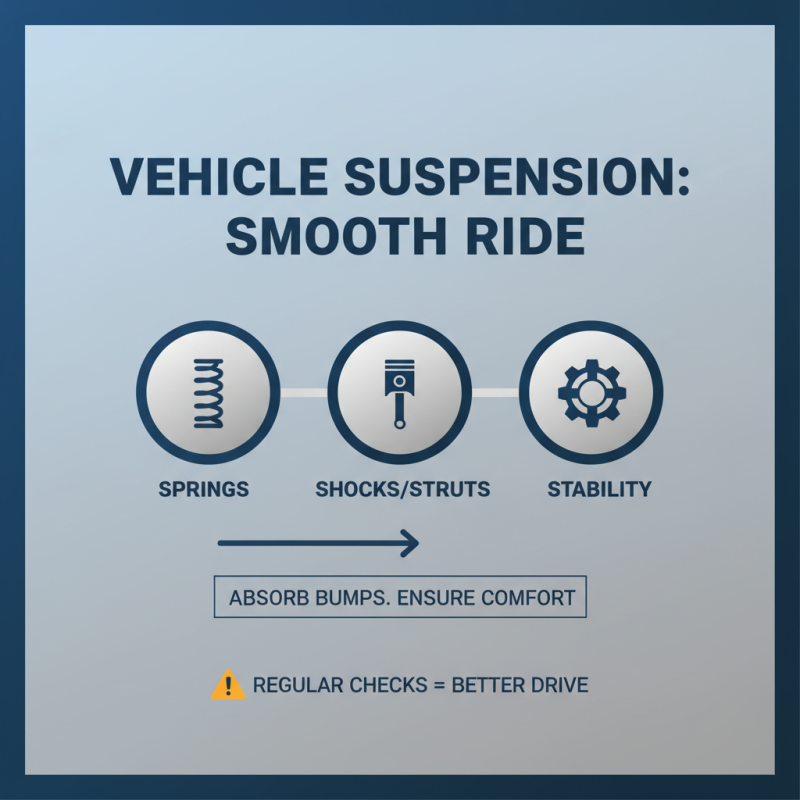
Understanding your vehicle's suspension is crucial for a comfortable ride. Key elements include shocks, struts, and springs. These components work together to absorb bumps and provide stability. Worn-out suspension can lead to a rough driving experience. Make sure to check them regularly.
Tips for maintaining your suspension: pay attention to any unusual noises when driving. If your vehicle feels bouncy after hitting a pothole, your shocks might need replacement. Look for leaks around the struts; this could indicate a problem.
Another aspect to consider is alignment. Poor alignment can cause uneven tire wear, impacting ride quality. Regular alignment checks can save you money in the long run. Monitor how your vehicle behaves on turns. Any drifting can signal suspension issues that need addressing.
The brake system is vital for any vehicle's safety. Its components work together to ensure effective stopping power. Understanding these parts can prevent accidents and enhance vehicle longevity.
Brake pads wear out over time. They should be replaced regularly to maintain optimal performance. Ignoring worn pads can lead to rotor damage, which is costlier to fix. Rotors can warp if overheated, leading to vibrations when braking. Regular checks can spot these issues early.
Brake fluid also plays a crucial role. It transfers the force from the pedal to the brakes. Low fluid levels or contamination can reduce braking efficiency. Regularly check fluid levels and top off as needed. Ignoring this can create a dangerous driving situation. Each component requires attention. Neglecting them could compromise safety.
| Part Name | Function | Importance | Replacement Interval |
|---|---|---|---|
| Brake Pads | Friction material used to create stopping power | High - essential for safe braking | 30,000 - 70,000 miles |
| Brake Discs | Rotating discs that brake pads clamp onto to stop the vehicle | High - crucial for effective braking | 50,000 - 70,000 miles |
| Brake Calipers | Houses the brake pads and holds them against the discs | Medium - important for brake reliability | Check at every brake service |
| Brake Fluid | Transmits force from the brake pedal to the brake components | High - essential for brake function | Every 2 years or as needed |
| ABS Module | Controls the Anti-lock Braking System to prevent wheel lockup | High - vital for safety during emergency stops | Monitor for warning lights |
| Brake Lines | Carry brake fluid from the master cylinder to the brakes | High - critical for brake operation | Inspect every service |
| Master Cylinder | Generates hydraulic pressure to operate the brakes | High - essential for brake engagement | Inspect every 2 years |
| Brake Booster | Amplifies the force applied to the brake pedal | Medium - improves braking ease | Inspect if pedal feels hard |
| Brake Shoes | For drum brakes, provide friction against the drum to stop the vehicle | Medium - essential for drum brake systems | 30,000 - 60,000 miles |
| Brake Warning Light | Indicates issues with the braking system | High - alerts you to brake problems | Check periodically |
The electrical system is crucial for vehicle performance. It powers everything from the ignition system to lighting. When the electrical components fail, it can lead to significant issues. A report by the Automotive Engineers Association estimates that over 30% of vehicle problems are electrical-related. This highlights the need for car owners to understand their electrical parts.
Fuses, relays, and sensors are key components in the system. Each plays a vital role in ensuring smooth operation. Faulty wiring can cause malfunctions, leading to safety hazards. Regular inspections are essential. Surprisingly, many owners neglect this aspect. Ignoring small issues can lead to more extensive damage later.
Battery life is another critical consideration. Data shows that about 25% of roadside breakdowns are battery-related. Batteries lose efficiency over time, especially in extreme weather. Monitoring battery health can save time and stress. Investing in quality parts can also enhance overall performance. Understanding the intricacies of the electrical system leads to better maintenance decisions.
This chart illustrates the importance level of various essential Audi parts, providing a visual representation of how critical each component is for optimal performance.