How to Choose the Right Car Front Bumper for Your Vehicle?
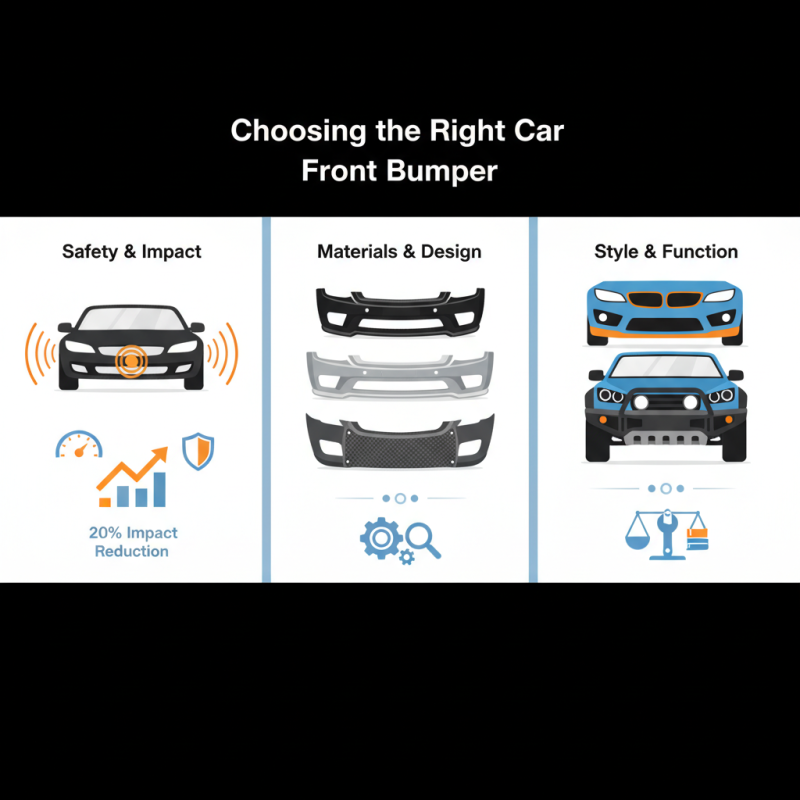
Choosing the right car front bumper is crucial for vehicle safety and aesthetics. According to the Automotive Manufacturers Association, a well-designed bumper can reduce the impact of low-speed collisions by up to 20 percent. This not only protects the vehicle but also enhances passenger safety.
Michael Thompson, a leading expert in automotive design, emphasizes, "The right bumper is a blend of functionality and style." His insight reflects the industry's growing trend toward bumper customization. Various options are available, including materials like plastic, metal, and composites, each with distinct advantages.
Selecting the right car front bumper can be overwhelming. Many buyers focus on appearance instead of practicality. Quality should not be overlooked. Poorly chosen bumpers can lead to significant damage during accidents. Finding a balance between style and safety is essential for any vehicle owner.
Understanding the Importance of Front Bumpers in Vehicles
When it comes to vehicles, front bumpers serve a crucial purpose. They absorb impact during minor collisions and protect vital components like the radiator and headlights. A well-designed bumper can significantly reduce repair costs and enhance vehicle safety. Driving without the right bumper increases risk during accidents.
Moreover, front bumpers contribute to the overall aesthetics of a vehicle. They provide a unique character to different makes and models. Choosing the right style can elevate your vehicle’s appearance. However, one must remember that looks should not overshadow function. An attractive bumper that fails to protect is ineffective.
Drivers might overlook the importance of regulatory requirements for bumpers. Every region has specific standards. Installing a bumper that doesn't meet these criteria can lead to fines and safety issues. Research is necessary to ensure compliance and proper installation. Ultimately, understanding bumpers means prioritizing both safety and aesthetic appeal.
Types of Front Bumpers Available in the Market
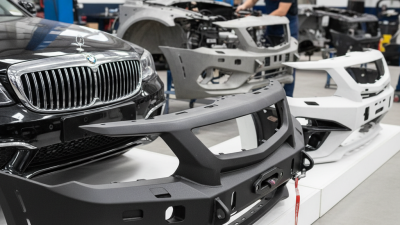
When choosing a front bumper, understanding the types available is crucial. There are primarily three types of front bumpers: OEM, aftermarket, and custom bumpers. OEM bumpers come from the original manufacturer. They match the exact specifications of your vehicle. This ensures compatibility and usually fits well. According to a report by the Automotive Aftermarket Association, 60% of consumers prefer OEM parts for their reliability.
Aftermarket bumpers are another option. They often come with enhanced features like improved aerodynamics or added protection. Some designs are more aggressive. The aftermarket segment has seen a steady growth of about 5% annually, indicating increased consumer interest. However, quality can vary. Not all aftermarket options guarantee durability or fit. It's essential to choose wisely.
Custom bumpers provide a unique look. They can be tailored to personal preferences. However, designing a custom bumper can be costly. Additionally, there may be concerns about local regulations and safety. Not all custom designs pass inspections. Researching the legalities of custom modifications is vital. Understanding the types helps make an informed choice, ensuring both style and safety adhere to standards.
Factors to Consider When Selecting a Front Bumper
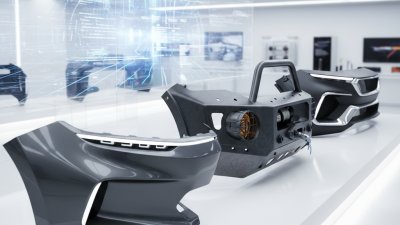
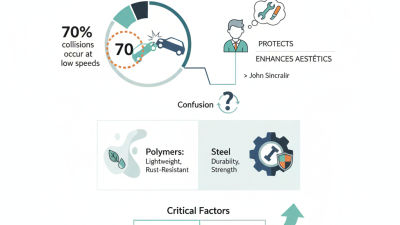
Choosing the right front bumper for your vehicle requires careful consideration of several factors. Material plays a crucial role in both durability and aesthetics. Common materials include plastic, fiberglass, and steel. Reports indicate that steel bumpers offer superior protection but can add weight to your vehicle. On the other hand, plastic bumpers tend to be lighter but may not withstand severe impacts as well.
Another important aspect is the fitment. It’s essential to ensure that the bumper aligns perfectly with your vehicle's make and model. Improper fit can lead to issues with installation or even safety hazards. Checking compatibility is vital. Keep in mind that some aftermarket bumpers may not adhere to safety regulations, which can compromise your vehicle's insurance coverage.
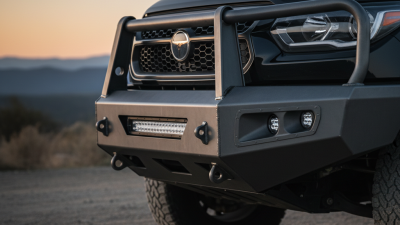
Tip: Always consult professionals or trusted sources before making your final decision. Evaluate your driving habits and typical road conditions too. If you often drive in off-road scenarios, you might prioritize a more robust bumper.
Additionally, consider the design and style. Your front bumper should complement the overall look of your vehicle. Some reports highlight that aesthetics can affect resale value. An appealing bumper can make your vehicle stand out, but ensure it doesn’t sacrifice functionality. Be vigilant about the choices you make; a front bumper should enhance both form and function.
How to Choose the Right Car Front Bumper for Your Vehicle?
| Factor |
Description |
Importance |
| Compatibility |
Ensure the bumper fits your vehicle’s make and model. |
High |
| Material |
Choose between plastic, fiberglass, or steel based on durability and weight. |
Medium |
| Style |
Match with your vehicle’s aesthetic or enhance its appearance. |
Medium |
| Weight |
Consider how the bumper’s weight affects vehicle performance. |
High |
| Installation |
Assess if you can install it yourself or need professional help. |
Medium |
| Cost |
Budget considerations for purchasing a bumper. |
High |
| Safety Features |
Look for bumpers with built-in safety features. |
High |
| Regulatory Compliance |
Ensure it meets local regulations and standards. |
High |
Material Options for Car Front Bumpers and Their Benefits
When choosing a front bumper for your vehicle, material matters significantly. There are several options, each with unique advantages. Common materials include plastic, steel, and fiberglass.
Plastic bumpers are lightweight and resistant to corrosion. They can absorb impacts well, helping to protect your vehicle. However, they may not offer the same durability as steel.
Steel bumpers provide robust protection but can add weight. This extra weight can affect fuel efficiency. Choosing the right option depends on your driving habits and environment.
Fiberglass offers a lightweight alternative but comes with drawbacks. It's highly customizable and can enhance aesthetics. However, fiberglass is less durable compared to steel or plastic. Cracks and chips are common with this material. Understanding these features can guide your decision-making process.
Consider your needs carefully. A thoughtful choice today can save you from issues later.
Compatibility and Fitment: Ensuring the Right Choice for Your Vehicle
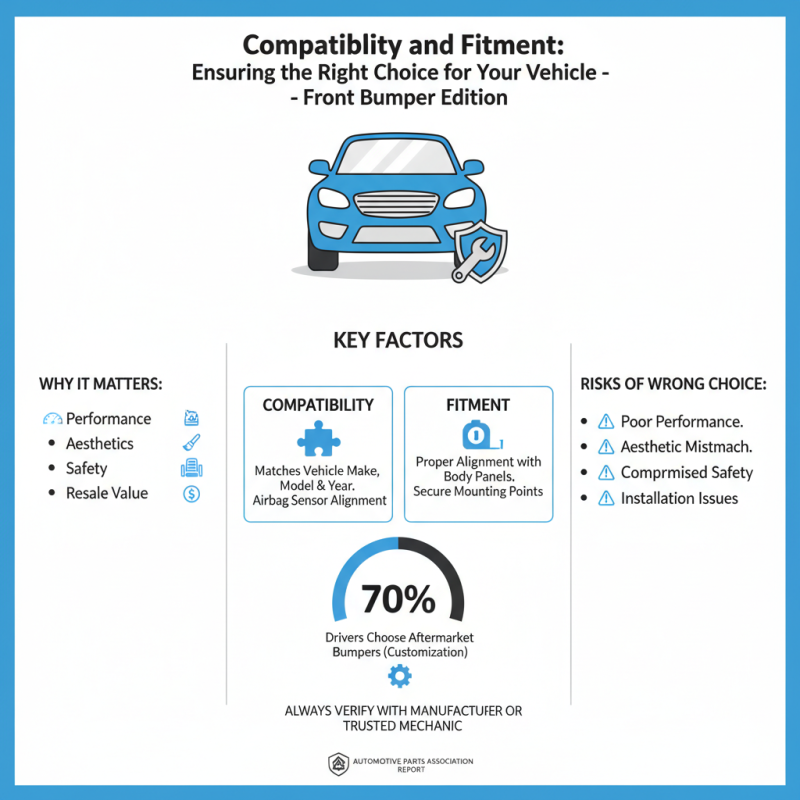
Choosing the right front bumper is crucial for your vehicle's performance and aesthetics. Compatibility and fitment are key factors in this decision. According to a report by the Automotive Parts Manufacturers Association, 70% of drivers opt for aftermarket bumpers due to customization preferences. However, not all bumpers will suit every vehicle model.
When selecting a bumper, check your vehicle’s make and model. An ill-fitting bumper can lead to safety issues. A study from the National Highway Traffic Safety Administration highlights that improper fitment increases the risk of accidents by over 15%. Ensure that the mounting points align perfectly. Some bumpers feature added weights, which can affect handling if mismatched.
Even with proper research, many consumers report challenges in installation. Some bumpers may require additional modifications or specialized tools. Data from consumer feedback shows that 30% of buyers faced fitting issues post-purchase. This underscores the importance of thorough compatibility checks before making a decision. Investing time in research can save money and ensure safety on the road.