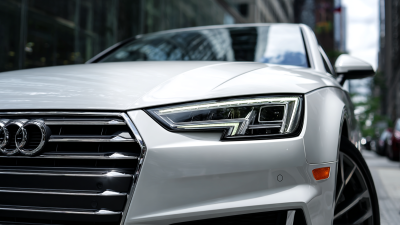
How to Choose the Right Car Bodikit for Your Vehicle Upgrade?
Choosing the right Car Bodikit for your vehicle can be overwhelming. With so many options, finding the perfect fit is challenging. Car Bodikits can enhance your vehicle's appearance and performance. They can also provide essential protection.
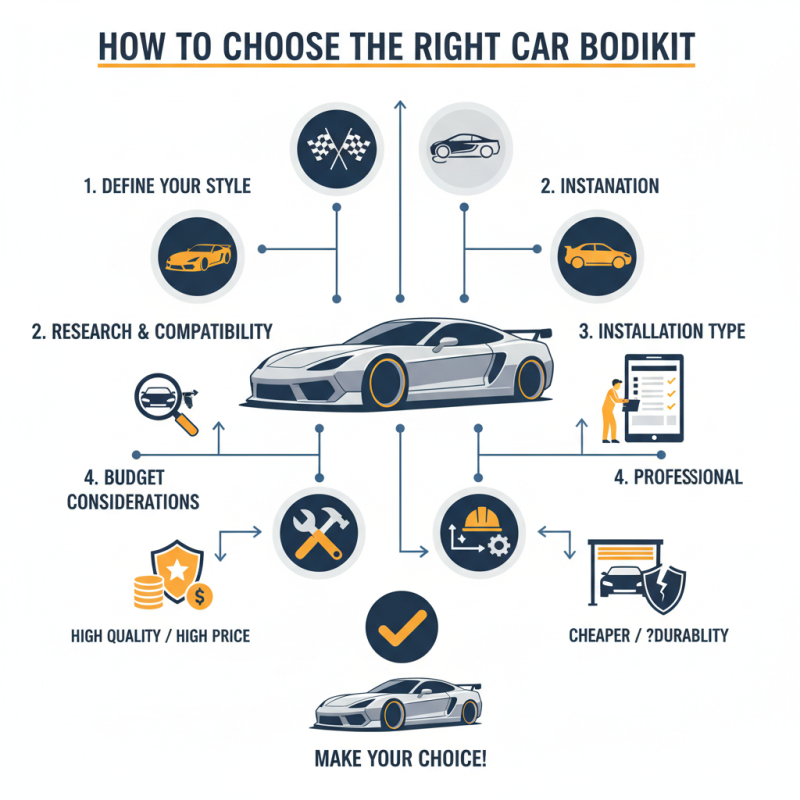
Before diving into a purchase, consider your preferences and needs. Think about your vehicle's style and design. Do you want a sporty look or something more elegant? Research is crucial. Not all kits will suit your model perfectly.
Installation is another factor. Some kits require professional help, while others can be a DIY project. Ensure you have the right tools and skills. Reflect on your budget. High-quality Car Bodikits can be pricey, but cheaper options might lack durability or style. Make a choice that balances cost with quality.
Understanding Car Bodikits: Types and Components
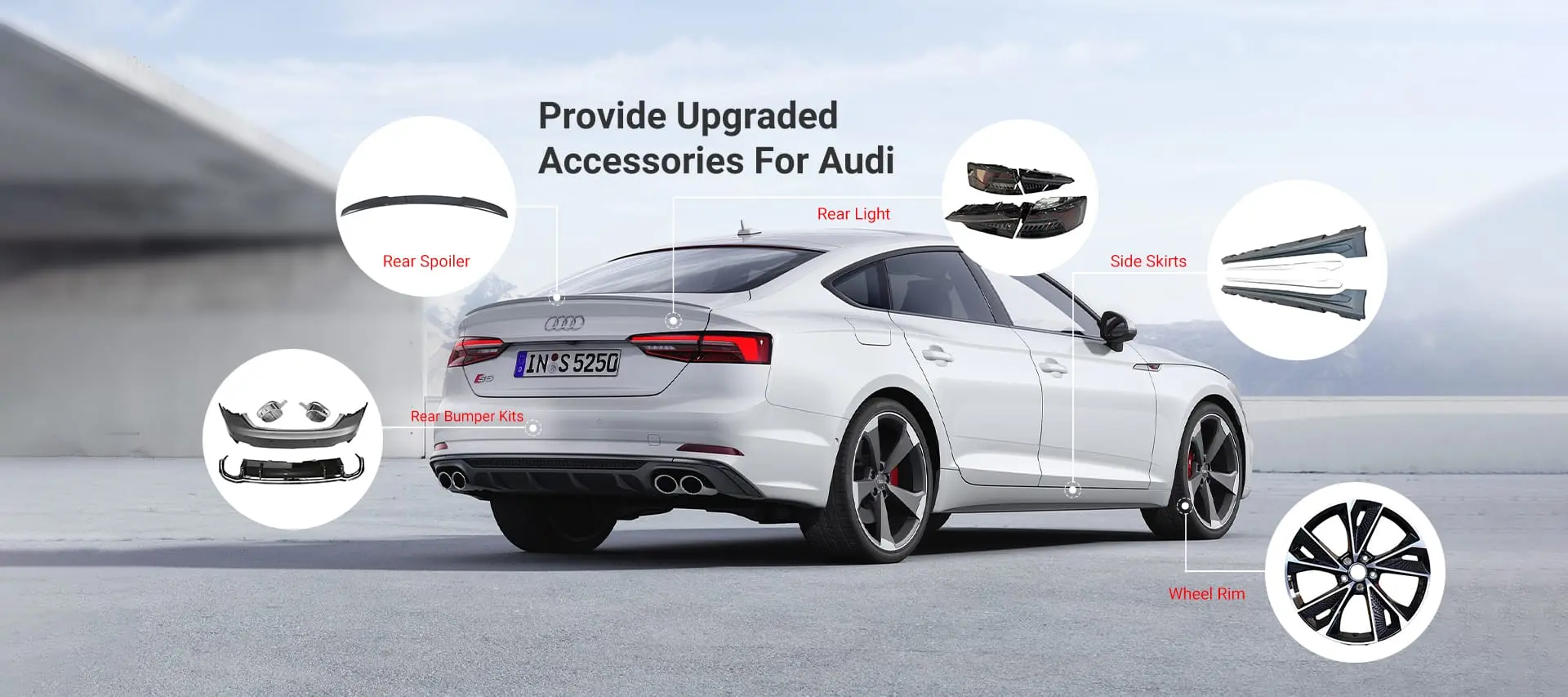
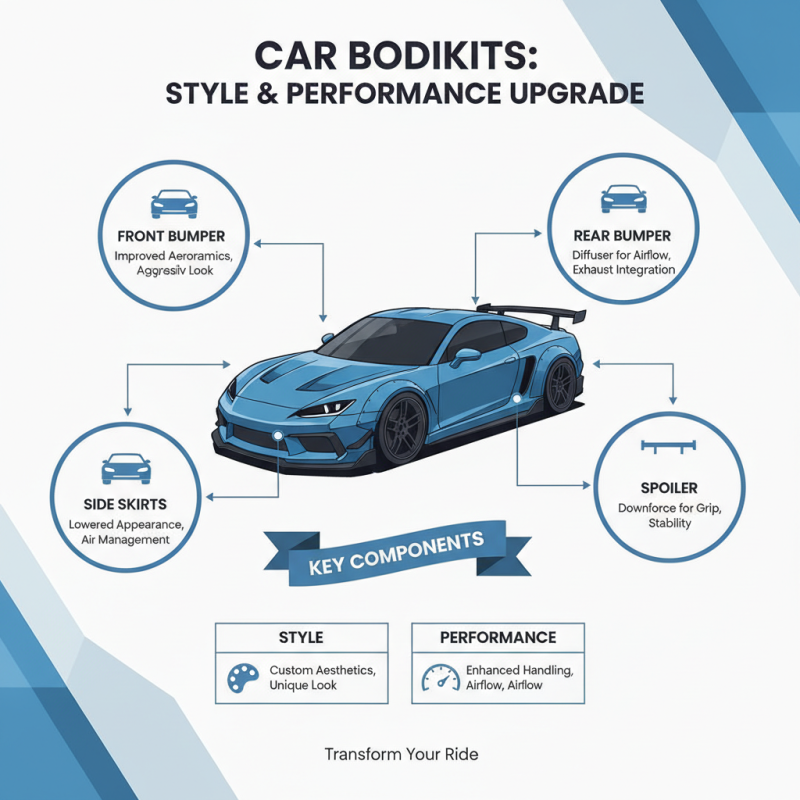
When upgrading your vehicle, understanding car bodikits is essential. Bodikits enhance both style and performance. They typically include elements like front and rear bumpers, side skirts, and spoilers. Each component serves a unique purpose.
Front bumpers impact aerodynamics and cooling. Rear bumpers can improve airflow and aesthetics. Side skirts add a sporty look and help stabilize the vehicle at high speeds. While selecting a bodikit, ensure it fits your vehicle's design and meets your performance needs.
Tips: Always measure your vehicle before purchasing. A bodikit that doesn't fit properly can look out of place. Check local regulations regarding body modifications; some changes may not be allowed.
Another aspect to consider is the material of the bodikit. Fiberglass is lightweight but can crack easily. Polyurethane is more durable but heavier. Think about what matters for your driving style. Be mindful of potential installation challenges. It’s crucial to reflect on how much time and effort you want to invest in your upgrade process.
Evaluating Your Vehicle's Compatibility with Bodikits
When considering a bodikit upgrade, evaluating your vehicle's compatibility is crucial. Many enthusiasts overlook this step, leading to potential fitment issues. Research indicates that approximately 30% of bodikit installations encounter problems due to mismatched dimensions. This mismatch can result in uneven gaps, reduced aerodynamics, or even damage during installation.
Key factors to assess include the vehicle's make, model, and year. Not all kits are universal. Some kits may only suit specific trims or styles. Take into account the weight and material of the bodikit as well. Lighter materials might enhance performance while maintaining structural integrity. Research from the automotive aftermarket sector notes that 25% of modifications fail due to improper selection based on these criteria.
While browsing options, consider DIY vs. professional installation too. Professional help may cost more but can save you from costly errors. The best-fitting bodikit should seamlessly integrate with the vehicle's design. Many users share that a poorly chosen kit can lead to buyer’s remorse. It sometimes pays off to wait and find the right match rather than rush into a decision.
Factors to Consider When Selecting a Bodikit Design
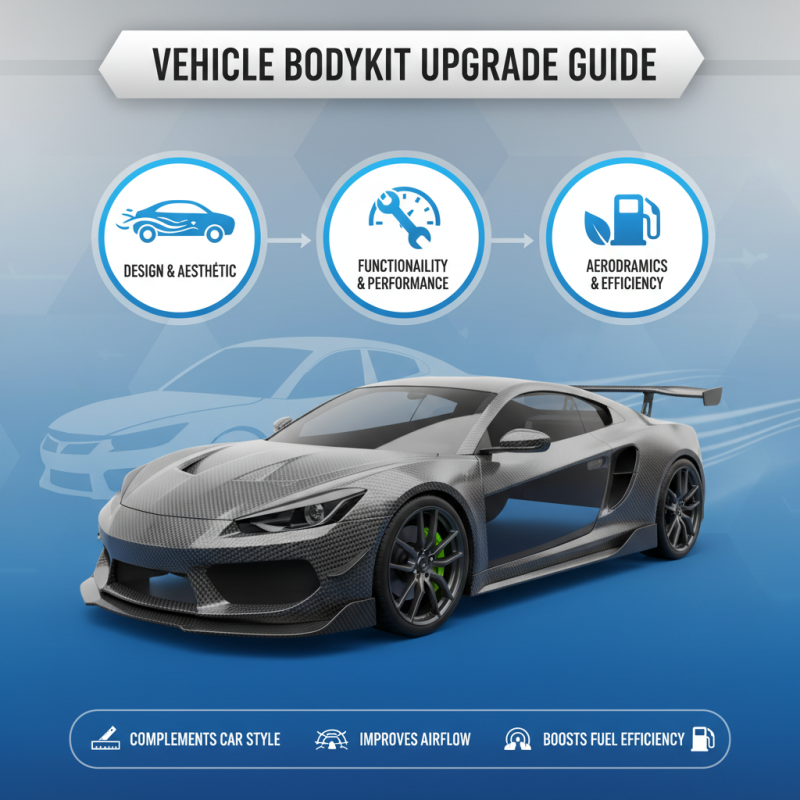
When selecting a bodikit for your vehicle upgrade, consider various factors that can influence your choice. The design should complement the car’s style. Think about how the bodikit fits your vehicle's overall aesthetic. It’s not just about looks; functionality matters as well. A good design can enhance performance, aerodynamics, and fuel efficiency.
Tips for choosing the right design:
1. Focus on your vehicle's character. Does it scream speed or luxury?
2. Research different materials and their benefits. Lightweight options are often preferred.
3. Consider weather conditions in your area. Some materials hold up better against harsh environments.
Budget is crucial. Custom bodikits can be expensive, but off-the-shelf options may lack uniqueness. You might find it hard to find the perfect balance between cost and quality. Evaluate what compromises you're willing to make. Look into installation options as well. Some kits require professional help, adding to the overall cost. Don’t ignore the importance of fitment. An ill-fitting kit can ruin your car's look and performance.
Quality vs. Price: How to Choose a Bodikit that Lasts
When choosing a bodikit for your vehicle upgrade, the balance between quality and price is crucial. High-quality materials often mean better durability. Look for kits made from strong, lightweight materials. They can withstand the elements and resist wear. Costly options may hurt your wallet short-term, but they may save money in the long run.
However, cheaper kits can be tempting. Sometimes, they deliver decent results for less money. Yet, there's often a catch. These kits may require frequent replacements. You might find yourself spending more overall. Examine user reviews carefully. They can reveal hidden pitfalls. Avoid getting swayed solely by a low price. You might regret it later.
Pay attention to the details. Finishing quality matters. A well-finished kit enhances aesthetics and performance. Installing a bodikit can be tricky. A poor fit can lead to gaps and issues down the line. Always measure your vehicle properly. It's a vital step that shouldn't be overlooked. Select a bodikit that balances quality with what you can afford. This decision shapes your vehicle's look and longevity. Think about what you truly need before making a final choice.
Car Bodikit Quality vs. Price
Installation: DIY vs. Professional Services for Bodikit Setup
When considering the installation of a bodikit, one must weigh the choice between DIY and professional services. A recent industry report indicates that nearly 40% of car owners opt for professional installation. This choice often stems from concerns about skill and precision in executing custom designs. Professional services typically ensure a seamless fit and finish, reducing the likelihood of issues down the line. However, this convenience comes at a premium price, with estimates averaging between $800 to $2,500 depending on the complexity of the installation.
On the other hand, DIY installation can be appealing for those seeking to save costs. Many resources are available online, guiding enthusiasts through various installation processes. Yet, the risk of misalignment or improper fitting remains significant. According to a survey conducted by a leading automotive magazine, about 25% of DIY installations result in a need for professional correction later. This outcome can negate any initial savings. The decision ultimately depends on the skill level of the individual and the complexity of the bodikit design chosen.