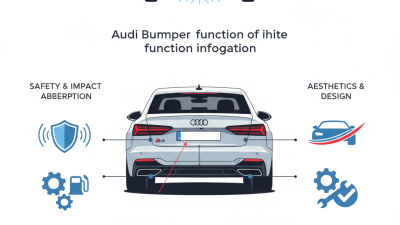
What is a Car Front Bumper and Its Importance for Safety?
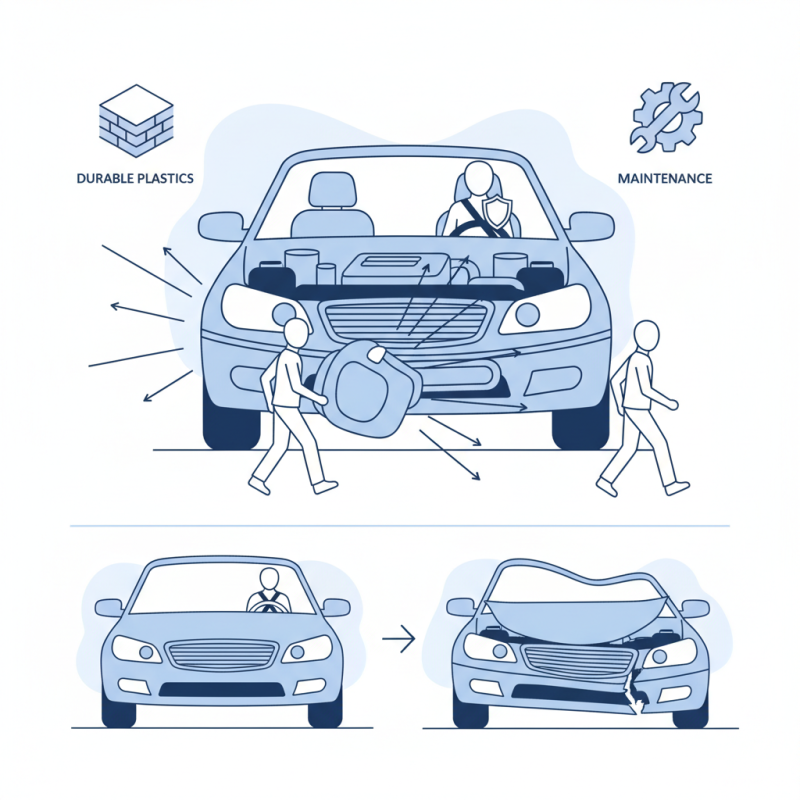
In the realm of automotive safety, the Car Front Bumper plays a critical role. Renowned automotive expert Dr. David Lane asserts, “The front bumper is a vehicle’s first line of defense.” This component absorbs impact during collisions, reducing injury risks for occupants and pedestrians alike.
The design and material of the Car Front Bumper are essential for its effectiveness. High-quality bumpers are often made from durable plastics, strategically engineered to withstand significant force. A well-designed bumper can prevent damage to vital systems within the car.
However, not all bumpers are created equal. Some vehicles come with compromise designs that fail during real-life scenarios. Understanding the importance of the Car Front Bumper can help consumers make informed decisions when purchasing or maintaining their vehicles. It's vital to consider how this element contributes to overall road safety.
What is a Car Front Bumper?
The front bumper of a car plays a crucial role in its design and functionality. Located at the front of the vehicle, it is a protective barrier that helps absorb impact during minor collisions. This part is often made from plastic, metal, or a combination of materials. Each material serves a unique purpose, balancing weight and strength. The design of the bumper must conform to safety regulations while maintaining aesthetic appeal.
In addition to protection, the bumper houses essential components like sensors and lights. These elements enhance safety and assist in parking. The function of the bumper goes beyond looks; it can influence how a vehicle performs in a crash. A well-designed bumper can minimize damage and protect occupants. It's sobering to note that poorly designed bumpers can lead to greater injury levels in accidents. Many people overlook this critical element until it's too late.
Despite its importance, some drivers may neglect bumper maintenance. Small cracks or dents might seem insignificant, but they can compromise safety. Regular inspections can help identify issues early. It’s essential to understand that the bumper is not just for show; it is an integral part of vehicle safety. Reflection on these aspects can lead to safer driving experiences.
Key Components of a Front Bumper and Their Functions
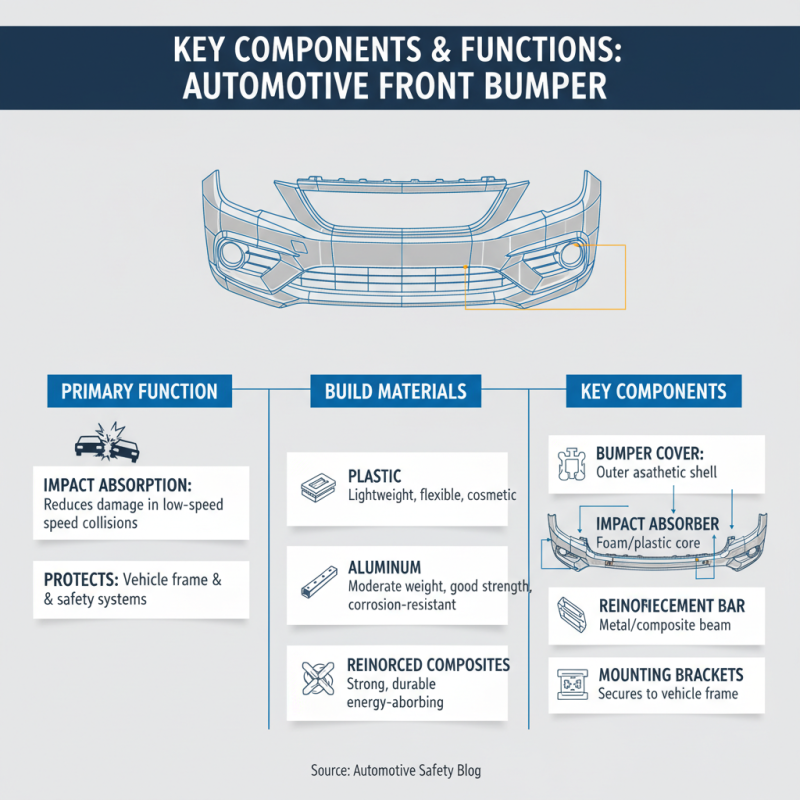
A car front bumper serves as a crucial safety feature. It absorbs energy during low-speed collisions. This can significantly reduce damage to the vehicle's frame. The structure is often made from materials like plastic, aluminum, or reinforced composites. Each of these materials has its pros and cons in terms of weight and durability.
Another key component is the reinforcement bar. It enhances the bumper’s structural integrity, ensuring better protection for occupants. The energy-absorbing foam is also vital. It compresses during impacts, helping to disperse collision forces. These elements work together to reduce the risk of injury in an accident.
Sensors and lights integrated into the bumper enhance road safety. However, improper alignment or damage can affect their functionality. It's essential for vehicle owners to regularly check these components. Routine maintenance is often overlooked but can prevent accidents. Proper function of the front bumper is not just about aesthetics; it is about preserving safety. Neglecting these aspects might lead to serious consequences.
The Role of Front Bumpers in Vehicle Safety Standards
Front bumpers play a critical role in vehicle safety standards. They are designed to absorb impact energy during collisions, reducing the risk of injury to occupants. The materials used in bumpers, such as plastic, metal, and foam, are engineered for maximum protection. However, not all bumpers are created equal. Some may not perform optimally in real-world crashes, leading to questions about their effectiveness.
In addition to protecting passengers, front bumpers also safeguard pedestrians. A properly designed bumper can lessen the severity of injuries in an accident. Unfortunately, many vehicles still lack adequate pedestrian protection. This gap raises concerns about compliance with safety regulations. Bumpers need to strike a balance between style and functionality. Aesthetics shouldn't compromise safety features.
While regulations exist to enhance bumper safety, real-life performance varies. Some vehicles meet minimum standards but may not perform well under actual crash conditions. Manufacturers must constantly refine their designs based on crash test data. The challenge lies in continuously improving bumper technology while keeping costs reasonable. A well-designed front bumper is essential, but it’s crucial for manufacturers and regulators to ensure they truly meet safety standards.
Impact and Crash Test Performance of Front Bumpers
Front bumpers play a crucial role in vehicle safety during collisions. They are designed to absorb impact energy, reducing injury to passengers. During crash tests, front bumpers must meet rigorous standards. Their effectiveness is measured based on how well they protect the car's structure and passengers. A well-engineered bumper can minimize damage and maintain vehicle integrity.
Impact tests reveal interesting insights. Some bumpers perform better at lower speeds but may not provide adequate protection during high-speed crashes. Manufacturers must constantly innovate to enhance bumper designs. However, sometimes these improvements come with trade-offs, like increased weight or cost. This reality calls for a balance between safety and practicality.
Crash test performance is an indicator of a vehicle's safety. Understanding these results helps consumers make informed choices. Knowledge about front bumper design can empower drivers. However, many still overlook this vital safety feature. It's essential to stay informed about advancements in bumper technology for better protection on the road.
Maintenance and Replacement Considerations for Front Bumpers
The front bumper is vital for vehicle safety. It absorbs impacts during collisions and protects crucial components. Regular maintenance ensures it functions correctly, highlighting its importance in accident prevention.
Tips: Inspect your bumper regularly for cracks or dents. Minor damage can lead to larger issues later. Keeping it in good condition is essential for safety.
If your bumper gets damaged, consider timely replacement. Ignoring a damaged bumper compromises your vehicle's protection. Replacement doesn't have to be complicated; find a reliable technician who understands your needs.
Tips: Research materials used in bumpers. Different materials offer varying benefits and levels of durability. Choose wisely to enhance safety and performance.
Importance of Front Bumper in Vehicle Safety