What is a Car Bumper and What Purpose Does It Serve?
The car bumper is a crucial component of every vehicle. It serves as a protective shield for both drivers and pedestrians. According to a 2022 report by Automotive Safety Research, bumpers can absorb up to 80% of the impact in low-speed collisions. This statistic highlights the importance of well-designed car bumpers in enhancing vehicle safety.
Expert John Whitaker, a leading authority in automotive safety, states, "The car bumper is more than just a cosmetic feature; it's a vital safety element." His words reflect the dual role of bumpers: providing aesthetic appeal while ensuring crucial protection. Despite their significance, many car manufacturers face challenges in balancing design with functionality. Some bumpers may not meet safety standards, leading to reflections on industry practices.
In addition, materials used in car bumpers impact performance and cost. Various manufacturers often opt for cheaper materials, compromising safety. This choice can lead to increased repair costs and safety risks. Understanding the role of the car bumper encourages consumers to engage thoughtfully with automakers about safety features. Ultimately, the effectiveness of a car bumper is tied to continuous improvements in design and material science.
What is a Car Bumper and Its Basic Components?
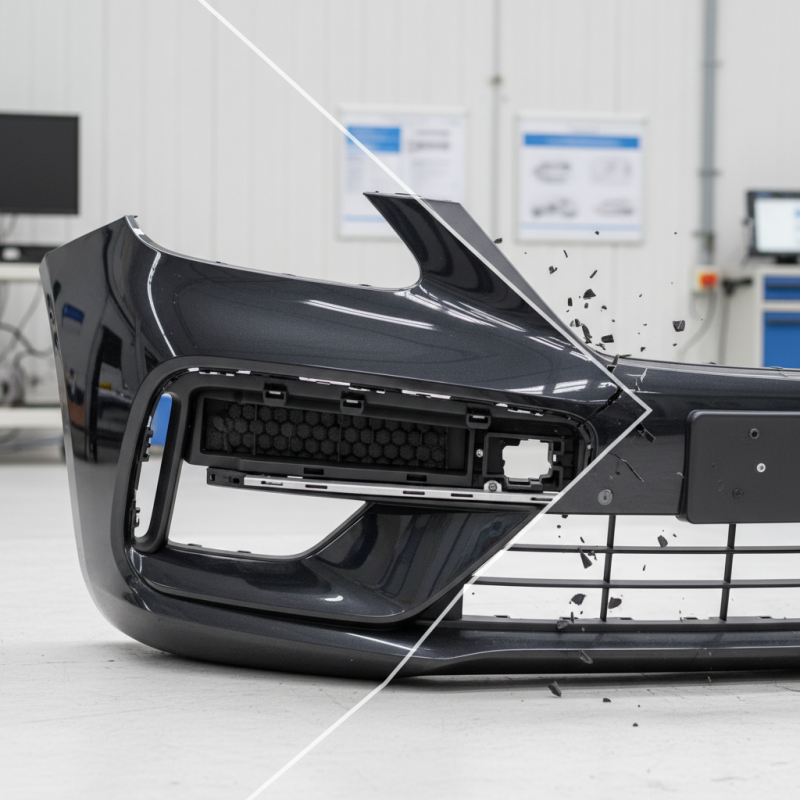
A car bumper is a crucial component that serves multiple purposes. It primarily protects the vehicle's front and rear from damage during minor collisions. Bumpers absorb impact energy, minimizing harm to both the car and its occupants. They also enhance pedestrian safety, reducing injuries in case of accidents. The basic components of a bumper include the reinforcement bar, outer cover, and foam impact absorber.
The reinforcement bar is often made of steel or aluminum. It provides strength and support to the bumper. An outer cover made of plastic or composite materials gives a polished finish. It also protects the reinforcement bar from rust and environmental damage. Foam impact absorbers are crucial for energy absorption. They help cushion blows during minor accidents.
Tip: Regularly inspect your bumper for cracks or dents. A damaged bumper can compromise its protective abilities. Consider touching up paint chips to prevent rust.
It's easy to overlook the bumper's role. Some may think of it as just a cosmetic feature. However, it plays a vital part in overall safety. Neglecting this aspect could lead to costly repairs later. Remember, a well-maintained bumper contributes to vehicle longevity.
Car Bumper Components and Their Importance
The Functionality of Car Bumpers in Collision Protection
Car bumpers serve a vital role in vehicle safety, especially during collisions. They absorb impact forces and protect critical components of the car. According to the Insurance Institute for Highway Safety (IIHS), bumpers can reduce damages by about 10% during low-speed crashes. However, many consumers underestimate their importance. A well-designed bumper can save a driver from costly repairs.
In recent studies, it has been observed that over 30% of all reported car accidents involve minor collisions. Many of these incidents could lead to severe consequences without adequate bumper protection. Bumpers are designed to withstand these impacts. However, not all bumpers provide equal protection. Some materials may crumble upon impact, failing to absorb shock effectively.
The evolution of bumpers has also posed challenges. Lightweight materials improve fuel efficiency but may compromise protection. As regulations tighten, manufacturers face pressure to enhance performance while controlling costs. These factors warrant further discussions on improving bumper technology. Reflecting on these aspects will help consumers understand the real impact of bumpers on their safety.
Material Choices in Bumper Design: Impact Resistance and Durability
A car bumper is more than just a cosmetic feature. It plays a critical role in protecting the vehicle’s body during minor collisions. The design and material choices for bumpers greatly influence their performance and longevity. When considering materials for bumpers, two key factors stand out: impact resistance and durability.
Common materials for bumpers include plastic composites and metals. Plastics are lightweight and can absorb impacts well. However, they might not withstand severe collisions. Metal bumpers, on the other hand, offer superior durability but can add extra weight to the vehicle. This trade-off complicates design decisions. Engineers often balance safety and efficiency while selecting materials.
Tips: When shopping for a car, pay attention to bumper design. A well-designed bumper can enhance safety features. Additionally, consider maintenance. Some materials may require frequent repairs or replacements. Assess your driving style too. If you frequently navigate tight spaces, a resilient bumper can save you hassles later.
Ultimately, choosing the right bumper materials is vital. These decisions affect performance and repair costs. Each material has its pros and cons. Understanding these can lead to better choices.
Regulatory Standards Governing Bumper Safety and Performance
Car bumpers play a crucial role in vehicle safety. They are designed to absorb impact during collisions. Different countries have specific regulations governing bumper performance. For example, in the U.S., the National Highway Traffic Safety Administration (NHTSA) outlines safety standards that bumpers must meet. These standards aim to minimize injury to pedestrians and drivers alike. The required impact resistance is typically set at a speed of 5 mph. Studies indicate that proper bumper design can significantly reduce repair costs after low-speed accidents.
Tips: Always check the bumper's condition. A damaged bumper may not provide adequate protection.
Bumper designs must also consider pedestrian safety. Many regulatory standards now include features to reduce harm to those outside the vehicle. For instance, the European Union guidelines encourage designs that are more forgiving on impact. However, not all countries follow suit. This leads to inconsistencies in safety across regions. It’s vital to keep updated on local regulations.
Tips: Understand your local regulations. Compliance can enhance safety and protect your investment.
Despite advancements, challenges remain. Some vehicles still struggle to meet these standards. Compliance can be costly for manufacturers. Consumers deserve effective safety measures. Buyers should consider these aspects when choosing a vehicle.
The Evolution of Car Bumpers: From Design to Modern Technology
The concept of car bumpers has significantly evolved over the years. Originally designed to absorb shock, early bumpers were made from metal and offered minimal protection. They were more about aesthetics than safety. Today, the focus has shifted. Modern bumpers are crafted from advanced materials like plastics and composites. They are lighter, more durable, and designed to enhance aerodynamics.
Bumpers now often incorporate technology such as sensors and cameras. These elements assist drivers in parking and avoiding collisions. This integration reflects a growing trend towards smarter vehicles. However, not all modern bumpers deliver optimal performance. Some high-tech features may not function effectively in every condition. It’s crucial to evaluate the reliability of these systems.
**Tip:** Regular maintenance is essential. Ensure that sensors and cameras are clean and unobstructed.
The design of bumpers has also expanded to include styles that complement vehicle aesthetics. Yet, this emphasis can sometimes overshadow functionality. Buyers should consider whether the look matches the bumper's protective capability.
**Tip:** Always prioritize safety features over aesthetic appeal.
What is a Car Bumper and What Purpose Does It Serve? - The Evolution of Car Bumpers: From Design to Modern Technology
| Era |
Materials Used |
Primary Function |
Technological Features |
Safety Standards |
| Pre-1930s |
Wood, Metal |
Basic Protection |
None |
N/A |
| 1940s-1950s |
Chrome, Steel |
Collision Protection |
Some impact absorption |
Basic regulations |
| 1960s-1970s |
Plastic, Fiberglass |
Impact Resistance |
Design integration, lightweight |
Federal Motor Vehicle Safety Standards (FMVSS) |
| 1980s-1990s |
Polypropylene, Reinforced plastics |
Crash Safety |
Energy absorbing structures |
Higher FMVSS compliance |
| 2000s-Present |
Advanced composites, Aluminum |
Enhanced Safety and Aesthetics |
Smart technology integration (e.g., sensors) |
Global safety regulations (Euro NCAP, IIHS) |