What is Audi Auto Part and How to Source Them Globally?
In the automotive industry, sourcing quality Audi auto parts is crucial for vehicle maintenance and performance. Research indicates that the global automotive parts market is projected to reach over $1 trillion by 2025. This growth highlights the importance of reliable parts for manufacturers and consumers alike. Audi, known for its luxury vehicles, demands high standards in these components.
To ensure optimal performance, sourcing authentic Audi auto parts is essential. Counterfeit parts have surged recently, impacting safety and longevity. According to a report by the International Automobile Association, about 30% of auto parts in the market may be counterfeit. This statistic underscores the need for vigilance while sourcing parts. Users must prioritize purchasing from verified suppliers.
Engaging with the right suppliers ensures not only quality but also adherence to industry standards. When sourcing globally, consider factors such as compliance with specifications and delivery times. Audi auto parts sourcing is not without its challenges, but the importance of quality parts can't be overstated. Discrepancies in parts can lead to costly repairs and safety issues.

What Are Audi Auto Parts and Their Functions?
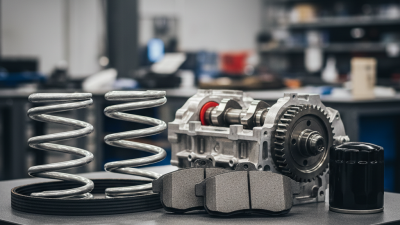
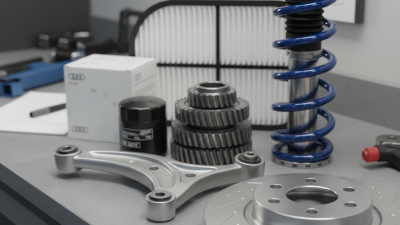
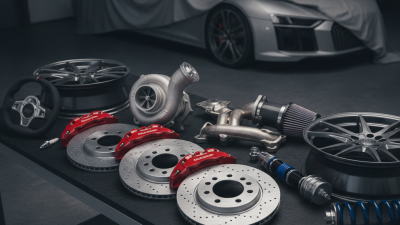
Audi auto parts play a crucial role in the performance and safety of the vehicle. These components are designed to work seamlessly together, ensuring optimal functionality. Common parts include the engine, transmission, brakes, and suspension systems. Each part has a specific function that directly affects driving comfort, handling, and overall vehicle reliability.
Finding quality auto parts requires attention to detail. Many suppliers offer genuine components, but not all meet the same standards. It’s essential to understand which parts you need and their functions. Researching specifications ensures you select the right items. Quality parts enhance vehicle longevity, improve fuel efficiency, and contribute to safety. However, sourcing these parts can sometimes lead to challenges with compatibility and pricing.
When sourcing globally, gaps in knowledge may arise. Some parts may be difficult to find in certain regions. Understanding your market is important. Always verify supplier credentials and seek recommendations. Remember that low prices may compromise quality. It's wise to balance cost and reliability when selecting auto parts. This thoughtful approach can lead to better outcomes for your Audi.
What is Audi Auto Part and How to Source Them Globally? - What Are Audi Auto Parts and Their Functions?
| Auto Part Name |
Function |
Sourcing Region |
Estimated Price Range (USD) |
| Engine Control Unit (ECU) |
Controls various electronic systems in the vehicle |
Europe, Asia |
$150 - $800 |
| Brake Pads |
Friction material that engages with brake discs |
North America, Europe |
$50 - $150 |
| Air Filter |
Filters air entering the engine for better performance |
Asia, South America |
$20 - $60 |
| Starter Motor |
Cranks the engine to start it |
Europe, Asia |
$100 - $300 |
| Transmission Fluid |
Lubricates and cools the transmission |
North America, Europe |
$10 - $50 |
Types of Audi Auto Parts: Genuine, OEM, and Aftermarket
When it comes to Audi auto parts, understanding the types available is crucial. Genuine parts are made by the manufacturer. They ensure perfect fit and quality. These parts often come with a warranty. However, they can be quite expensive. Many enthusiasts prefer to invest in these for their Audi vehicles.
OEM parts are another option. They are produced by third-party companies that adhere to the manufacturer's specifications. These parts often maintain a good balance of quality and cost. They can be more economical than genuine parts but still deliver reliable performance. Choosing OEM parts can be a wise decision for budget-conscious owners.
Aftermarket parts offer yet another alternative. These are made by different manufacturers. They can vary in quality and price. Some aftermarket parts exceed the quality of OEM options, while others may not meet expectations. Research and reviews are essential when considering these parts. Users should ensure that aftermarket parts fit well and perform adequately.
How to Identify Quality Audi Auto Parts for Purchase
When sourcing Audi auto parts, quality is paramount. Understanding what constitutes a quality part can save you time and money. Start by assessing the materials used. High-quality parts are often made from durable materials, not cheap substitutes. Look for parts that come with warranties. A warranty indicates the manufacturer's confidence in the product.
Tips: Always check reviews from other customers. This can provide insight into the reliability and longevity of a part. Seek out reputable suppliers who specialize in Audi components. They usually understand the quality standards needed for these vehicles.
Another important factor is the fitment. Parts that do not fit correctly can lead to further issues. Invest in parts that are specifically designed for your vehicle model. You might find cheaper options, but they can lead to increased repair costs later on.
Tips: Measure the original parts before purchasing. This ensures you’re getting the correct size and compatibility. Consult forums or communities; real-world experiences can be invaluable in decision-making. Avoid making hasty purchases based solely on price. Quality should guide your choices.
Strategies for Sourcing Audi Auto Parts from Global Suppliers
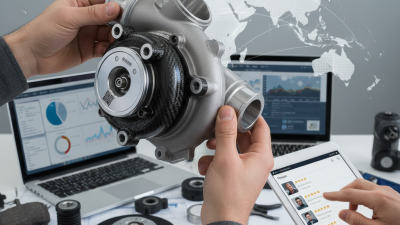
When sourcing auto parts, it's crucial to explore global suppliers effectively. Start by identifying trustworthy sources. Attend international automotive trade shows. These events often attract reputable manufacturers and can provide valuable networking opportunities. Online platforms can also serve as resources. However, the quality of suppliers can vary widely.
Consider the certifications and standards that suppliers adhere to. This step ensures that the parts you acquire meet necessary guidelines. Reviews and testimonials can guide you in evaluating suppliers. Engage in direct communication when possible. Ask for samples to assess quality firsthand. This practice can help you avoid costly mistakes.
Be aware of potential challenges. Supply chain disruptions may arise, affecting timelines. Establishing good relationships with multiple suppliers can mitigate risks. Regularly reassess your sourcing strategies. The market evolves, and keeping up with trends can lead to better decisions. Flexibility in sourcing strategies is essential for long-term success.
Best Practices for Importing Audi Auto Parts Internationally
Sourcing Audi auto parts globally requires attention to detail and best practices. Importing involves navigating various regulations and standards. Proper documentation is crucial to avoid delays. Ensuring compliance with international shipping laws is essential.
Connecting with reliable suppliers is a key strategy. Research potential vendors thoroughly. Look for reviews and past dealings. Building a relationship can open doors to better pricing and support. Yet, even reputable suppliers may face challenges. It's wise to have alternate options.
Quality control cannot be overlooked. Inspecting parts upon arrival is necessary. This step may reveal discrepancies that could affect performance. In some cases, defective parts might find their way into shipments. Always prioritize quality over cost. Adjusting your sourcing strategy based on feedback can lead to continuous improvement over time.