2026 Best Car Bumper Options What to Consider?
Choosing the right car bumper is essential for vehicle safety and aesthetics. A good bumper can absorb impacts, protecting the car's frame. In 2026, several options stand out for buyers looking to upgrade or replace their bumpers.
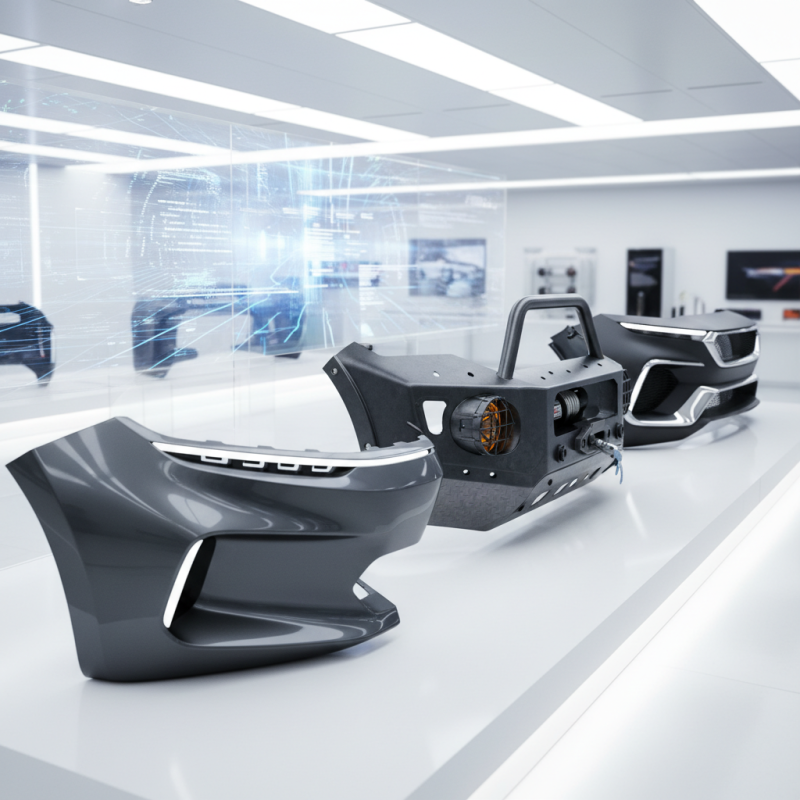
When selecting a car bumper, consider material and style. Materials range from plastic to steel, each offering unique benefits. A plastic bumper might be lightweight but lacks durability. Conversely, a steel bumper provides strength but can add weight. Additionally, the style impacts the overall look of the vehicle. Some prefer sleek designs, while others may want a rugged appearance.
Another factor is cost. Car bumpers vary widely in price. Investing in a quality bumper can save money long-term. However, it’s vital to assess budget constraints. Reflecting on these factors ensures a well-informed decision. Ultimately, the right car bumper enhances both protection and visual appeal.
Understanding Car Bumper Functions and Importance
Car bumpers play a crucial role in vehicle safety and protection. They absorb impact during minor collisions, reducing damage. This function is essential not only for the vehicle itself but for the occupants as well. Without a properly functioning bumper, the risk of injury increases. These components also offer aesthetic benefits, enhancing the car’s overall appearance. When considering bumper options, it's vital to understand their importance.
Materials used in bumpers can vary widely. Some are rigid, while others are more flexible. A rigid bumper might not absorb shock as well as a flexible one. However, it could offer more durability in certain situations. It’s a balancing act between protection and design. Additionally, not all bumpers are created equal. Some might fit better than others, leading to gaps or misalignments. This can affect both functionality and style.
In the end, choosing the right bumper involves careful consideration. Evaluating how it fits your needs can be challenging. It’s easy to overlook these details when focused solely on appearance. Prioritizing safety features while still reflecting personal style is important. A thoughtful approach will ensure better choices are made for your vehicle’s bumper selection.
Types of Car Bumpers Available on the Market
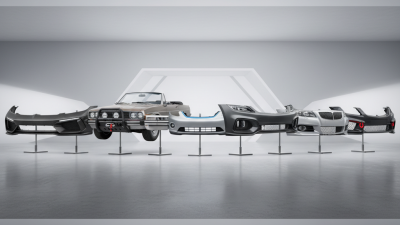
When selecting a car bumper, understanding the types available is crucial. There are mainly three categories: plastic, metal, and composite bumpers. Each type has unique characteristics and varying levels of durability. According to a recent industry report, plastic bumpers dominate about 70% of the market due to their affordability and lightweight nature. However, they may lack the durability of metal options.
Metal bumpers are favored for their strength. They can withstand more impact, offering greater protection in collisions. Many car enthusiasts prefer them for off-road vehicles. They are heavy, which impacts fuel efficiency. This trade-off is often overlooked by drivers focused solely on protection.
Composite bumpers combine the benefits of different materials. They aim to offer durability while reducing weight. However, their manufacturing process can result in a higher cost. Some drivers find the price tag hard to justify. The market data indicates that composite materials account for around 15% of sales. Ultimately, drivers should reflect on personal needs. What type of protection is most important for your driving habits?
Factors to Consider When Choosing a Car Bumper
Choosing the right car bumper is not just about aesthetics. It's also about safety and functionality. The material of the bumper plays a crucial role. Options include plastic, metal, and composite materials. Each has its pros and cons. For instance, plastic bumpers are lightweight and cost-effective. However, they may not fare well in a collision. Metal bumpers provide better protection but can add weight to the vehicle.
Another factor to consider is the bumper’s design. Some bumpers enhance aerodynamics while others may prioritize ruggedness. Think about your driving habits. Do you often navigate city streets, or do you venture off-road? Your choice should align with your lifestyle. Additionally, the bumper's compatibility with your car model is vital. An ill-fitting bumper can lead to issues down the line.
Also, reflect on the installation process. Some bumpers are easy to replace, while others require professional help. It’s important to factor in the cost of installation. Remember, a bumper is more than just a replacement part. It can significantly impact how your car performs and protects you. Making an informed choice is essential, but it can be challenging. Take your time and weigh all the options.
Material Options for Car Bumpers: Pros and Cons
When choosing car bumpers, material options play a crucial role. Various materials offer distinct advantages and disadvantages. For instance, plastic bumpers are lightweight and can absorb impacts effectively. However, they may crack under extreme conditions. According to a study by the Automotive Research Institute, plastic bumpers made up 70% of the market in 2022.
Metal bumpers are another option. They provide superior strength and durability. Yet, their weight can negatively impact fuel efficiency. Additionally, metal can rust over time, which is a significant concern for many car owners. The American Transport Association reported that metal bumpers account for only 20% of the current market.
Composite materials are gaining popularity. They combine the benefits of plastic and metal. Composites are lightweight yet strong, making them an attractive choice for manufacturers. However, determining the long-term durability of these new materials remains a challenge. In fact, some experts suggest that the shift towards composites might require further investigation into lifecycle costs. Finding the right balance of weight, durability, and cost-effectiveness is critical in today's automotive industry.
2026 Best Car Bumper Material Options: Pros and Cons
Installation and Maintenance Tips for Car Bumpers
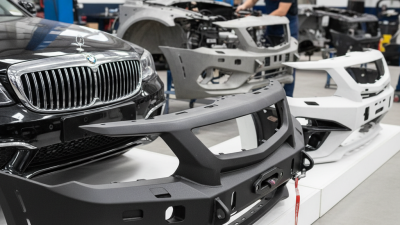
When it comes to car bumpers, proper installation is crucial. Make sure to read the manufacturer's instructions carefully. A slight misalignment can lead to issues down the road. Using the right tools is just as important. If you lack experience, consider asking a friend for help. Sometimes a fresh pair of eyes can catch what you missed.
Maintenance is equally important. Regularly check for cracks or signs of wear. It’s easy to overlook small scratches, but they can grow into bigger problems. Addressing these early can save you money and time later. Cleaning your bumper regularly with mild soap and water helps maintain its appearance. This simple step can make a big difference in longevity.
Lastly, remember that bumpers endure a lot. They can take a beating from parking, weather, and road debris. Don’t be too hard on yourself if things don’t go perfectly. Mistakes are part of the learning process. Each installation or maintenance task can provide valuable lessons for the future. Stay attentive and adjust your methods as you go.