2025 How to Install a Bumper Front for Enhanced Vehicle Protection
In the realm of vehicle safety, the importance of a well-installed bumper front cannot be overstated. According to automotive safety expert Dr. Eric Thompson, “A properly installed bumper front not only enhances vehicle protection but also significantly minimizes the risk of damage during impacts.” As advancements in automotive technology continue to evolve, the installation of bumper fronts has become an integral part of enhancing vehicle resilience and performance.
With an increasing number of drivers recognizing the need for optimal protection on the road, understanding the best practices for installing a bumper front is essential. This guide aims to provide a clear and concise approach to installing a bumper front that ensures durability and effectiveness. From selecting the right materials to following installation steps meticulously, this article will equip you with the knowledge necessary to safeguard your vehicle against unforeseen accidents while enhancing its aesthetic appeal.
As we delve into the specifics of installation techniques and tips, remember that investing time in a quality bumper front installation can lead to a safer driving experience, making it a critical consideration for any vehicle owner.

Understanding the Importance of a Front Bumper for Vehicle Safety
A front bumper plays a crucial role in vehicle safety, acting as a primary line of defense against impacts. According to the Insurance Institute for Highway Safety (IIHS), appropriate bumper systems can significantly reduce the extent of vehicle damage and injury during collisions. Their studies reveal that vehicles equipped with well-designed bumpers reduce repair costs by up to 40% compared to those without effective bumpers. This underscores the importance of investing in a high-quality front bumper as a means to enhance overall vehicle protection.
In addition to minimizing damage from accidents, front bumpers contribute to pedestrian safety. The World Health Organization (WHO) reported that road traffic injuries are one of the leading causes of death globally for individuals aged 5-29. The design and functionality of front bumpers can mitigate the risks posed to pedestrians during low-speed collisions. Modern bumper designs emphasize energy absorption and structural integrity, which can reduce the severity of injuries in such scenarios. As a result, understanding and prioritizing the installation of a robust front bumper is essential for both protecting vehicle occupants and minimizing harm to vulnerable road users.
2025 How to Install a Bumper Front for Enhanced Vehicle Protection - Understanding the Importance of a Front Bumper for Vehicle Safety
| Feature |
Description |
Benefit |
| Material |
High-strength steel or composite materials |
Increased durability and impact resistance |
| Design |
Aerodynamic shape for reduced drag |
Improved fuel efficiency and handling |
| Installation Process |
Step-by-step guide with necessary tools |
Ensures proper fit and functionality |
| Safety Features |
Integrated safety sensors and impact absorbance |
Enhanced protection for passengers and pedestrians |
| Maintenance |
Regular checks for wear and tear |
Maintains performance and safety standards |
Types of Front Bumpers: Materials and Designs for Optimal Protection
When it comes to enhancing vehicle protection, the choice of front bumper plays a critical role. There are several types of bumpers available, each utilizing different materials that cater to a variety of needs and preferences. Steel bumpers, for example, are favored for their strength and durability, providing robust protection against impact and wear. Their rugged construction is ideal for off-road enthusiasts who may encounter rough terrain. On the other hand, lightweight aluminum bumpers offer an excellent balance between strength and weight, helping improve fuel efficiency while still providing adequate protection.
In addition to material choices, the design of the bumper can significantly affect both functionality and aesthetics. Some bumpers come with integrated features like winch mounts, brush guards, or additional lighting options, enhancing their utility for adventurers or those living in areas with challenging weather conditions. Other designs focus on sleekness and integration with the vehicle's body, offering a modern look while not compromising on safety standards.
Ultimately, selecting the right front bumper involves considering both the protective qualities and the style that best fits the vehicle owner’s lifestyle and driving habits.
Step-by-Step Guide to Installing a Front Bumper on Your Vehicle
Installing a front bumper is an effective way to enhance the protection of your vehicle, while also adding a unique aesthetic. According to a report by the Automotive Aftermarket Industry Association, approximately 30% of vehicle owners express concerns about the effectiveness of factory-installed bumpers. With the right installation process, you can significantly improve the durability and resistance of your vehicle against potential collisions and environmental damage.
To begin your project, it's crucial to gather the right tools and materials. Common tools needed include wrenches, screwdrivers, and possibly a torque wrench. The installation process typically involves removing the existing bumper, which may require unscrewing fasteners and disconnecting wiring for integrated lights or sensors. Once the old bumper is off, it’s important to check your vehicle's frame for any signs of damage that could compromise the effectiveness of your new bumper. The National Highway Traffic Safety Administration has indicated that a well-installed aftermarket bumper can reduce damage during a collision by up to 25%, emphasizing the importance of a thorough installation.
When installing the new bumper, aligning it correctly with the mounting points is crucial. Use a level to ensure even placement before securing bolts to prevent misalignment that could affect performance. Following the manufacturer’s instructions closely can enhance the installation's effectiveness. As a final step, reconnect any electrical components and test them to ensure they are functioning properly. Bumper installations, when executed correctly, can offer enhanced protection and peace of mind while driving.
Essential Tools and Equipment Needed for Bumper Installation
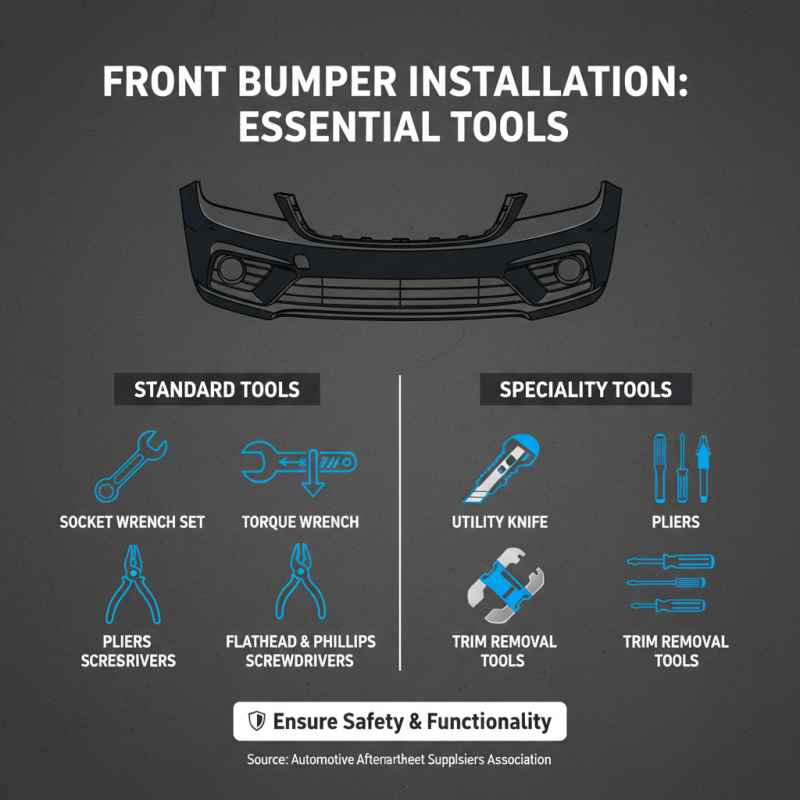
When considering the installation of a front bumper for enhanced vehicle protection, having the right tools and equipment is crucial. According to a report from the Automotive Aftermarket Suppliers Association, the demand for upgraded vehicle accessories has increased by nearly 25% over the past three years, highlighting the importance of proper installation techniques to ensure safety and functionality. Standard tools required for this process typically include a socket wrench set, a torque wrench, pliers, and a flathead and Phillips screwdriver. Additionally, a utility knife and a set of trim removal tools can be essential for detaching existing bumpers without causing damage to the vehicle.
Furthermore, specialized equipment such as a car jack and jack stands are necessary for safely lifting the vehicle to access the bumper mounting points. The use of a torque wrench is particularly important, as it ensures that all bolts are tightened to manufacturer specifications, which is critical for maintaining structural integrity. According to industry standards, under-tightened bolts can lead to catastrophic failure during high-impact scenarios, while over-tightening can compromise the bumper’s material. Proper preparation and the right set of tools not only streamline the installation process but also enhance the effectiveness of the bumper in guarding against collisions, supporting the increasing trend for safer automotive customizations.
Compliance with Safety Standards: What to Know Before Installation
When considering the installation of a bumper front for enhanced vehicle protection, it is crucial to ensure compliance with relevant safety standards. Before proceeding with the installation, it is essential to research the local regulations governing vehicle modifications. Different regions may have specific requirements regarding bumper height, material durability, and additional safety features that must be adhered to, ensuring that the vehicle not only serves its protective purpose but also remains roadworthy.
Additionally, selecting the right materials and design for the bumper front is vital. High-quality materials that meet industry-standard testing criteria should be prioritized to guarantee that the bumper can withstand impacts without compromising vehicle integrity. Equally important is to ensure that the installation process itself aligns with safety guidelines, which often include proper mounting techniques and alignment checks. This adherence not only protects the vehicle but also enhances the safety of all road users, as a well-installed bumper can contribute to overall vehicle safety in the event of a collision.